Skip to content
French Microlight Federation Member
Home
Flying Entry to the Flying section

Fly

What is microlighting?Where to fly?Licence and insuranceMedicalHandivolMechanics

Become a pilot

The pilot certificateMicrolight examTrainingTrial flight

Regulations

Regulatory documentsAirspacePlan your flightsAirfieldsOPS ULM — order of 17/02/25

Federation support

Youth supportThe BIAGrantsIn-Flight Companion training
Instruction Entry to the Instruction section

Network

Clubs and schoolsInstructors

Instructors

Microlight instructor trainingList of instructors by départementKnowledge refresherThe teaching programmeTeaching and technical sheets
Sport
Safety Entry to the Safety section

Prevention

DirectivesParachutesFederation prevention

Safety reports

REX — submit and browseFlight Safety BulletinReturn to Flying (REV)ECCAIRSCSV flight safety officersList of REX reports

Alerts

Safety news

Files and quizzes

Good practice
News Entry to the News section

Read

Federation newsULM Info — the magazineClub and school life

Calendar

EventsSubmit an eventFederation events

Media

Photos & VideosDocuments to downloadPractical guides

Stay informed

Frequently asked questions
The Federation Entry to the Federation section

The institution

Les ÉlusLes pôlesLes comités régionauxLa DTNÉthique et déontologieProtection des populations de l’ULMULM & EnvironnementLa Fédération en chiffresTextes officielsAssemblée Générale

Federation events

The Youth Microlight Tour (Tour ULM Jeunes)Microlight World ChampionshipsFesti'ULM

Join us

RecruitmentContactReport
Site map

SafetySafety report

Getting lost

During a cross-country flight, my GPS stopped after about half an hour of flying. I carried on in the traditional way. Over the large farmland plains south of the Île-de-France, there are few landmarks.

REX no. 5362
Year
2011
Weather
Favourable
Damage
No
Aircraft
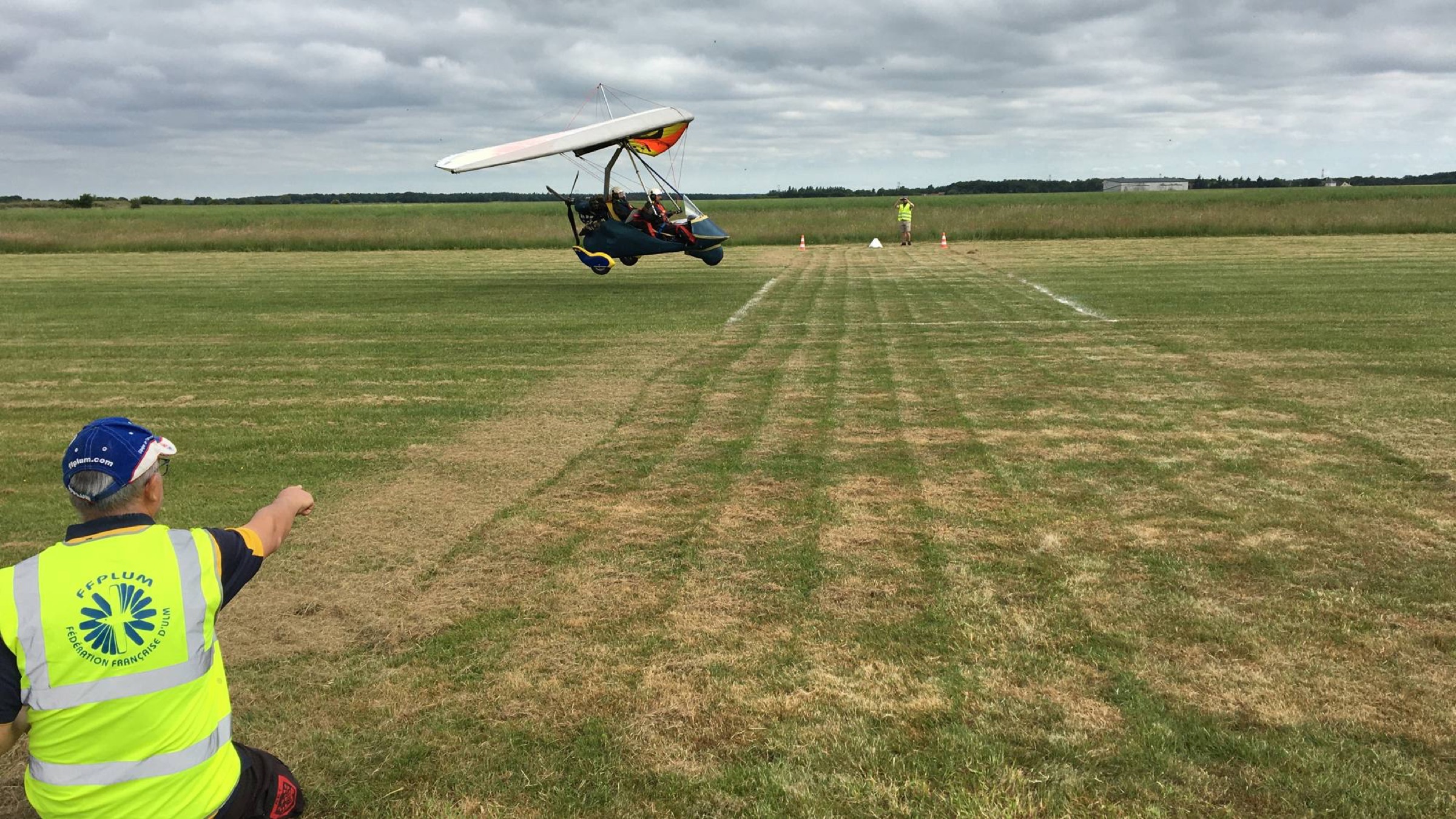
Weight-shift microlight
Date of flight
25/09/2011
Role on board
Pilot
REX category
Technical
Phase of flight
in the cruise
Type of flight
a trip - a navigation
Equipment
Radio, GPS
Possible consequences
Getting lost
Environment
over flat terrain

What happened

During a cross-country flight, my GPS stopped after about half an hour of flying. I carried on in the traditional way. Over the large farmland plains south of the Île-de-France, there are few landmarks. I had to follow for a while the heading marked on my chart, until I reached a railway line alongside a motorway, which I know is easy to see and which I expected to cross at about 45° after around ten minutes.

Pilot's comments

Having seen nothing after 15, then 20 minutes — my machine is slow — I became worried and started to consider manoeuvres to get my bearings, when my eye was caught by movement on the ground far to my right. It was a TGV travelling parallel to my heading, at least 8 to 10 km away. Instead of crossing the line as drawn on the chart, I had been following a track roughly on the same heading as the railway. As I flew along it, I realised that my compass was out by between 45° and up to 90° at times, depending on the heading shown.
Lessons learned:
On arrival at my destination, guided by the railway — the airfield is alongside it a little further on — we did a test by lining up the aircraft's trike with the runway centreline. Surprise: the compass showed very nearly the correct heading on both QFUs, with the engine running. It took a while to understand that the compass deviated when I sat down with all my flying gear. For almost 6 months I had been navigating with a kneeboard I was very proud of and pleased with: a Veleda whiteboard of the ideal size, with a document clip and built-in pen holder, which I had bought in a household goods shop and easily adapted with a strap. I had not noticed that it was originally designed to stick on a fridge door, and that its whole back was in fact one big magnetic sheet. I had been flying with this fine magnet on my thigh, less than 20 cm from the compass bowl, without realising the consequences until my GPS battery ran flat.
Several lessons:
1) Always prepare your navigation flights the old-fashioned way, with the planned route clearly drawn on the chart
2) Fully charge the GPS battery before the flight and don't rely too much on cigarette-lighter sockets. They can easily turn into a source of poor contacts and moisture traps, especially on an open trike.
3) Beware of adapting accessories designed for another purpose


They support the federation

All our partners
  • Ministry of Ecological Transition
  • DGAC
  • Ministry of Sport and the Olympic Games
  • National Sports Agency
  • CNFAS
  • FAI
  • Aéro-Club de France
  • CNOSF
  • EMF
  • Air and Space Museum