What happened
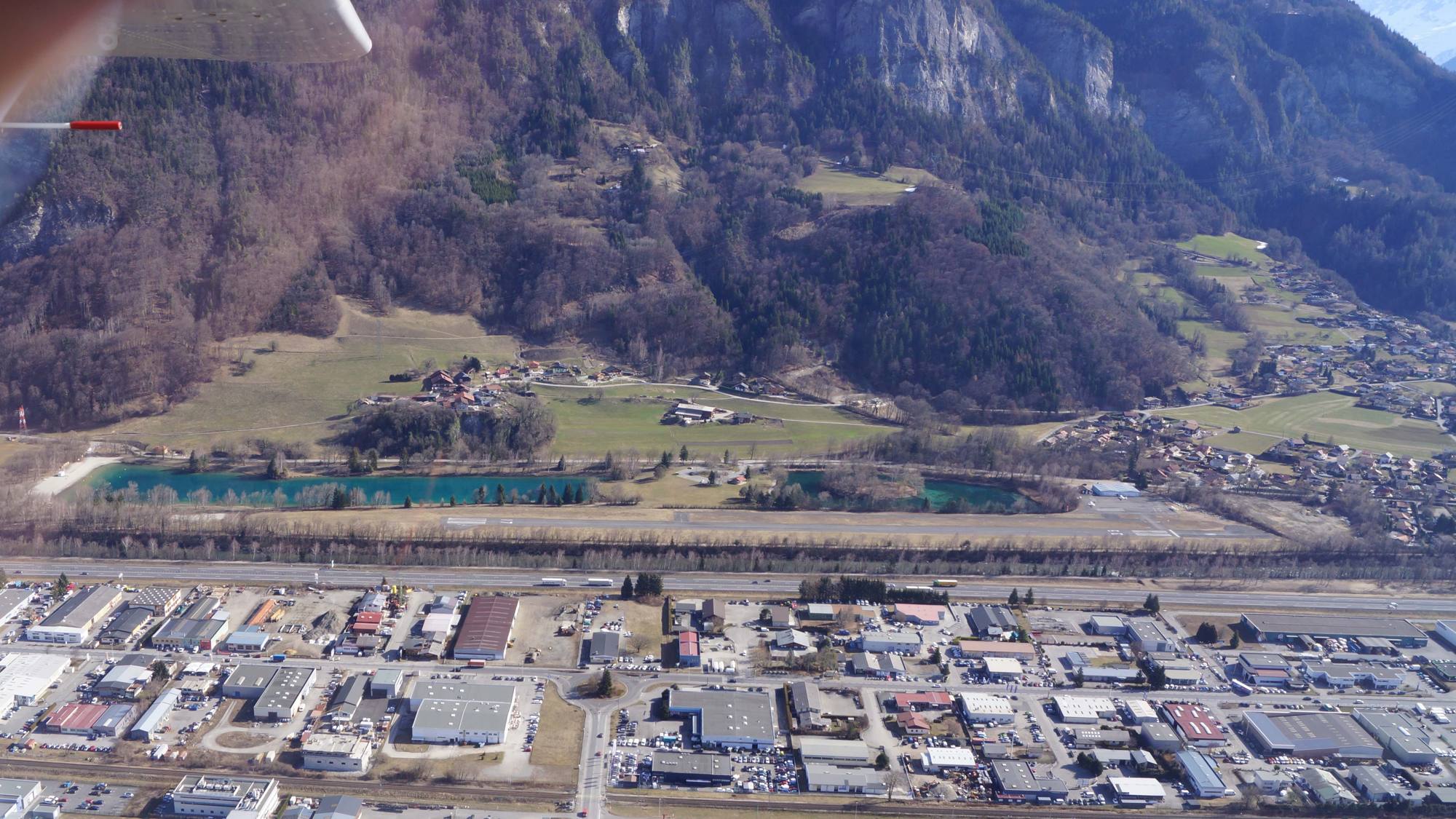
I was arriving at an airfield where I knew that all the aircraft based there were radio-equipped and, according to local instructions, were required at least to keep a listening watch.I called at 5 minutes from overhead, then at 3 minutes from overhead, and finally called overhead at 1500 ft QNH for an overhead join, which let me practise this simple manoeuvre to carry out my reconnaissance.
I joined downwind with nobody in sight; suddenly, on the final turn, I realised that an aircraft had not followed the normal circuit direction and was coming onto its final turn left-hand (whereas the established procedure is right-hand). Head-on on base leg, I decided to carry out an avoiding manoeuvre: head-on, each turns right. I began a right turn and saw that the other pilot was turning to his left, making the situation worse.
So in the end I carried out a non-standard manoeuvre with a tight left turn and a rapid climb.
Fortunately I reacted quickly, and I had decided to do my reconnaissance at a fairly high speed, which allowed me to make a tight manoeuvre without risk.
Moral: despite the rules of the air and the fact that some aircraft are supposed, under the club's internal rules, to be listening on the radio, you must stay vigilant and beware of aircraft that are hard to see.
Pilot's comments
Yes, I now take more care to look the other way too, because my previous procedure was to check that there was nobody on final and then turn my gaze back to final without paying particular attention to the opposite base leg, which was supposed to be clear.Lessons learned:
Moderator's analysis:
General remark: be careful, an airfield where the resident club requires its members to use the radio is in no way equivalent to an aerodrome with a mandatory radio procedure. Likewise, on some airfields there may be a preferred circuit direction that differs from the usual standard.