






Skip to content
French Microlight Federation Member
Home
Flying Entry to the Flying section

Fly

What is microlighting?Where to fly?Licence and insuranceMedicalHandivolMechanics

Become a pilot

The pilot certificateMicrolight examTrainingTrial flight

Regulations

Regulatory documentsAirspacePlan your flightsAirfieldsOPS ULM — order of 17/02/25

Federation support

Aides jeunesLe BIASubventionsFormation Accompagnant en Vol
Instruction Entry to the Instruction section

Network

Clubs and schoolsInstructors

Instructors

Microlight instructor trainingList of instructors by départementKnowledge refresherThe teaching programmeTeaching and technical sheets
Sport
Safety Entry to the Safety section

Prevention

DirectivesParachutesFederation prevention

Safety reports

REX — submit and browseFlight Safety BulletinReturn to Flying (REV)ECCAIRSCSV flight safety officersList of REX reports

Alerts

Safety news

Files and quizzes

Good practice
News Entry to the News section

Read

Federation newsULM Info — the magazineClub and school life

Calendar

EventsSubmit an eventFederation events

Media

Photos & VideosDocuments to downloadPractical guides

Stay informed

Frequently asked questions
The Federation Entry to the Federation section

The institution

Elected membersThe divisionsRegional committeesThe DTNEthics and professional conductSafeguarding in microlightingThe federation in figuresOfficial textsGeneral Assembly

Federation events

The Youth Microlight Tour (Tour ULM Jeunes)Microlight World ChampionshipsFesti'ULM

Join us

RecruitmentContactReport
Site map

SafetySafety report

Ground collision

REX no. 5638
Year
2012
Weather
Favourable
Damage
No
Aircraft
Weight-shift microlight
Date of flight
30/05/2012
Role on board
Student
REX category
Technical level
Phase of flight
on take-off
Type of flight
a local flight, other (please specify below)
Equipment
Parachute, Radio
Possible consequences
Collision on the ground, Other (please specify below)
Environment
over flat terrain
Other nature
first solo
Other consequences
Flight control failure

What happened

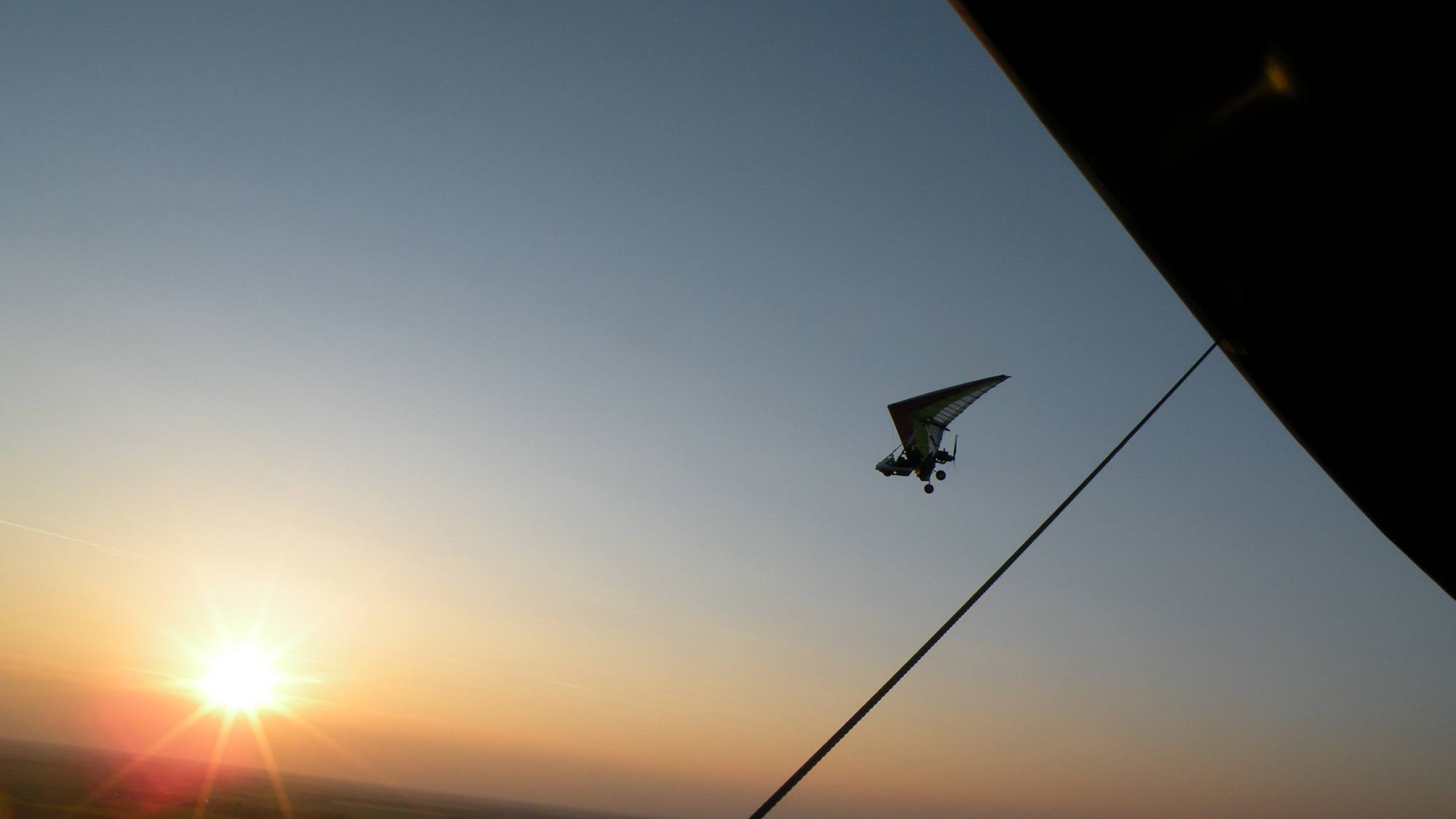
On the day of my first solo, during take-off and at a height of 50 m above ground, my right foot suddenly sank, I heard a sharp drop in engine revs and saw the ground getting closer when I was supposed to be reaching circuit height. It took me a fraction of a second to understand that the throttle cable had just come out of the eyelet that connected it to the pedal. Although I had never done it during my training, I had the reflex to take the throttle back with the hand lever and regain altitude. After recovering from the shock, I repeated the actions learned during instruction sessions but with throttle managed by hand and without the weight of my instructor in the weight-shift microlight. I flew a first circuit to take in these new parameters and landed without incident on the next, to the warm congratulations of the instructor, who was more frightened than I was.

Pilot's comments

As my job involves handling very high-stress situations, I analyse my surroundings and the options open to me very quickly. In my case, with barely 15 flight hours, I absolutely had to get back into a situation I was familiar with. And the only one I had practised was the circuit at 500 ft. Without panicking, I went back to my reference points and concentrated on holding altitude, no longer with my foot but with my hand. Once I had assessed my situation, I landed on the second pass. In this kind of situation, it is important always to look for familiar flight conditions and not to forget that the aim is to land the aircraft without damage.
Lessons learned:
I do not believe there was any mistake. It was a mishap that happened to me on the very day of my first solo. The pre-flight check had been carried out by the book and checked by the instructor, and I had flown with him for 30 minutes before the incident.


They support the federation

All our partners
  • Ministry of Ecological Transition
  • DGAC
  • Ministry of Sport and the Olympic Games
  • National Sports Agency
  • CNFAS
  • FAI
  • Aéro-Club de France
  • CNOSF
  • EMF
  • Air and Space Museum







