






What happened
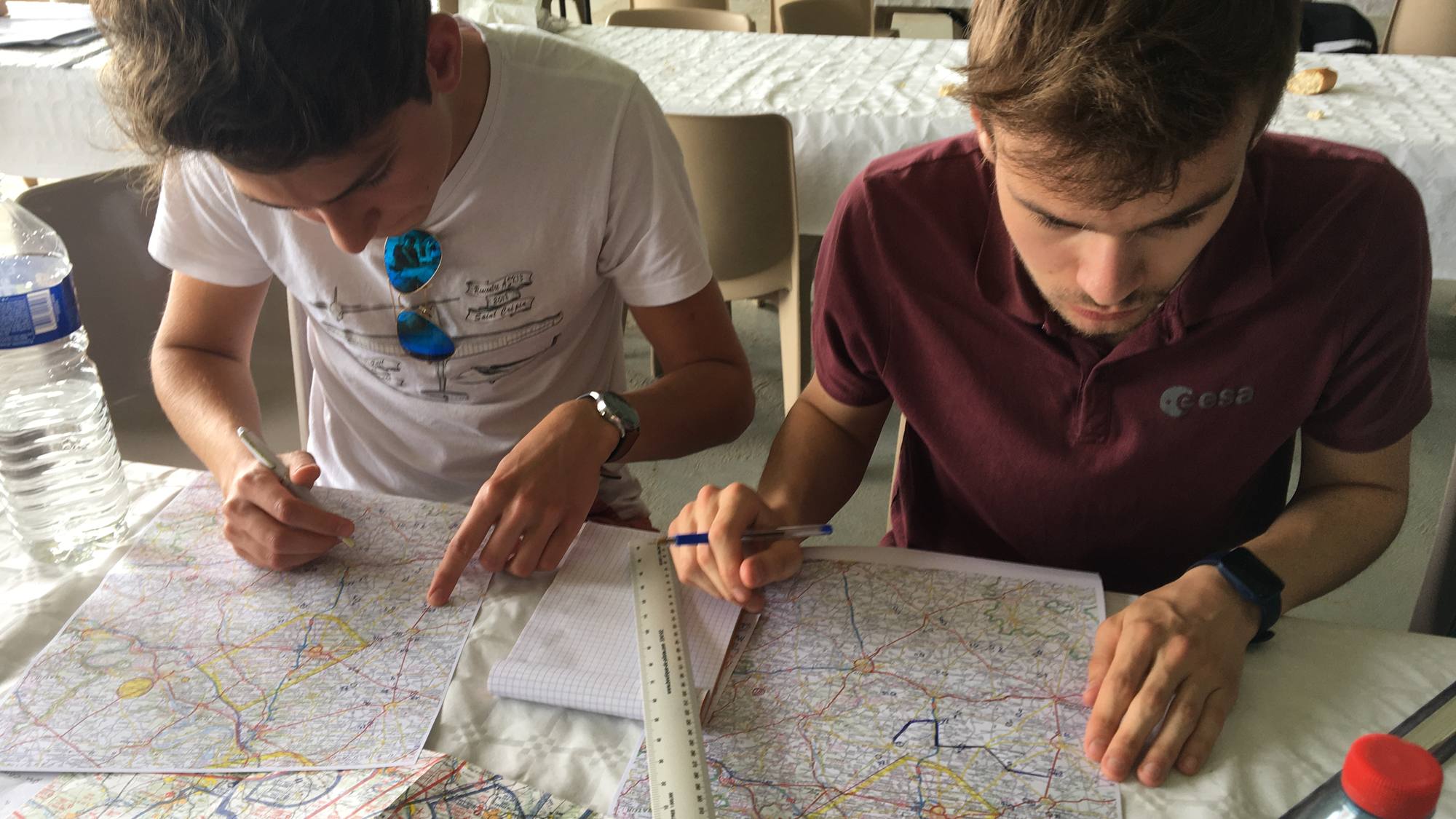
The other day, I had to stand in for a student's usual instructor to have him carry out a first, somewhat distant navigation exercise. His usual instructor had told me he was perfectly at ease in the circuit and at holding parameters, having already been signed off. I watched him plot his route and fill in his log in a very schoolbook manner, and probably a little too elaborately for the type of navigation planned. I told myself that managing all this might give him too much workload for a first outing away from the local area, but he seemed to be coping and I let it go. I did, however, remind him to get the NOTAMs and TAFs for the region. At his reply along the lines of "I don't have any", I sensed that he did not understand what I was saying. And the conversation that followed confirmed it.
Pilot's comments
He has not yet sat the written exam. He has heard these terms before, but he does not really know what they mean. Oddly enough, he does not know what a TAF is, yet if I ask him to check the weather he knows how to do it, and what he finds for me are indeed the TAFs for the surrounding airfields, duly decoded by the website he has consulted. In short, the basics seem to be there, and his behaviour in flight will confirm it, but the jargon has not sunk in.Lessons learned:
Particularly serious precautions are needed when you have to stand in for another instructor with a student at short notice; a quick phone call describing the student’s progress in encouraging terms is not enough. You do not necessarily know the methods used by your colleague, who may have adopted a different teaching approach. That is perhaps also why it is good for a student to have the opportunity to fly with several instructors. This story also makes you realise how impenetrable our pilot conversations can seem to outsiders. Expressions whose meaning is familiar to us as practising pilots are not necessarily familiar to everyone. An instructor must strive to be understood beyond any possible doubt.









