






Skip to content
French Microlight Federation Member
Home
Flying Entry to the Flying section

Fly

What is microlighting?Where to fly?Licence and insuranceMedicalHandivolMechanics

Become a pilot

The pilot certificateMicrolight examTrainingTrial flight

Regulations

Regulatory documentsAirspacePlan your flightsAirfieldsOPS ULM — order of 17/02/25

Federation support

Aides jeunesLe BIASubventionsFormation Accompagnant en Vol
Instruction Entry to the Instruction section

Network

Clubs and schoolsInstructors

Instructors

Microlight instructor trainingList of instructors by départementKnowledge refresherThe teaching programmeTeaching and technical sheets
Sport
Safety Entry to the Safety section

Prevention

DirectivesParachutesFederation prevention

Safety reports

REX — submit and browseFlight Safety BulletinReturn to Flying (REV)ECCAIRSCSV flight safety officersList of REX reports

Alerts

Safety news

Files and quizzes

Good practice
News Entry to the News section

Read

Federation newsULM Info — the magazineClub and school life

Calendar

EventsSubmit an eventFederation events

Media

Photos & VideosDocuments to downloadPractical guides

Stay informed

Frequently asked questions
The Federation Entry to the Federation section

The institution

Elected membersThe divisionsRegional committeesThe DTNEthics and professional conductSafeguarding in microlightingThe federation in figuresOfficial textsGeneral Assembly

Federation events

The Youth Microlight Tour (Tour ULM Jeunes)Microlight World ChampionshipsFesti'ULM

Join us

RecruitmentContactReport
Site map

SafetySafety report

Throttle cable failure on a carburettor

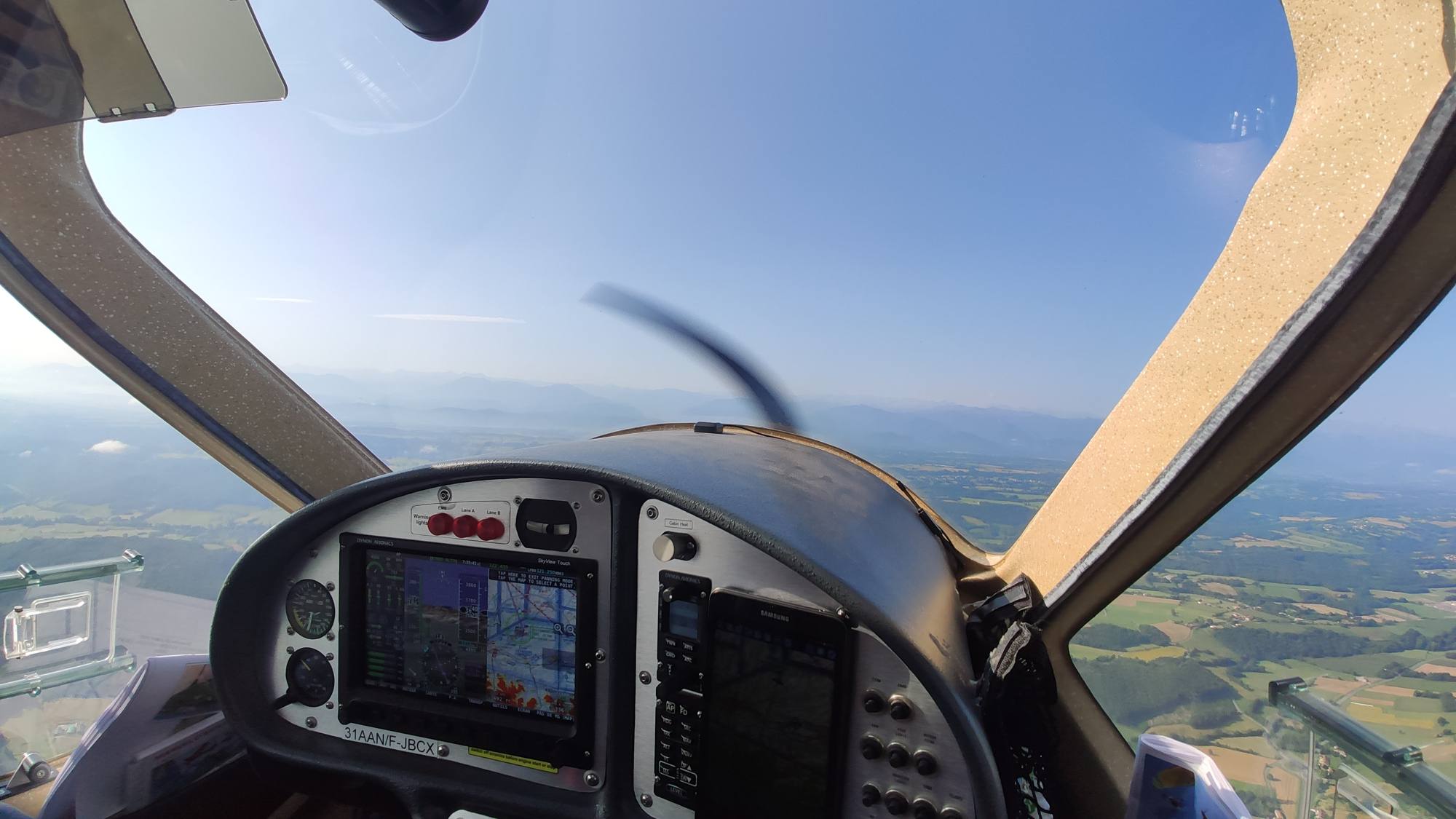
At the 3 4 of the crosswind leg in the climb, after the instructor asked the student to reduce the throttle, heavy vibrations were felt.

REX no. 7323
Year
2017
Weather
Favourable
Damage
No
Aircraft
not provided
Date of flight
27/09/2017
Role on board
Instructor
Event type
Other (specify below)
REX category
Technical
Phase of flight
other (specify below)
Type of flight
training, other (please specify below)
Equipment
Radio, Artificial horizon, Transponder, GPS
Possible consequences
Loss of control in flight, Other (please specify below)
Other type
throttle cable failure on a carburettor
Other phase
3/4 crosswind in the climb
Other nature
Circuit
Other consequences
engine mount failure

What happened

At the 3 4 of the crosswind leg in the climb, after the instructor asked the student to reduce the throttle, heavy vibrations were felt. Fearing the loss of a blade or of the propeller, which would destroy the engine mount and cause the powerplant to fall off in flight, making the aircraft uncontrollable, the instructor switched off the engine, which made the strong vibrations disappear. After the PAN PAN PAN message and a check of the aircraft's behaviour, at best glide speed the instructor lined up with the axis of the first possible runway. Gliding, after a series of slips to lose altitude and adjust his approach path, he made a normal landing in his 3-axis microlight with no damage to the crew, the machine or the infrastructure. The controllers' conduct was remarkable: they secured the surrounding area, allowing the pilot to concentrate on the essentials.

Pilot's comments

Regular practice of engine failures in every flight configuration, engine-off exercises and mastery of the sideslip (essential in my view) made it possible to bring this unexpected situation to a good conclusion. Likewise, reading REX reports saved time in reacting appropriately.
Lessons learned:
The controllers' reaction helped bring calm to the cockpit, freeing the pilot from everything except carrying out the actions needed to save the crew and the aircraft. A calm and professional tone (even though one of them knew the instructor pilot well). Engine-off exercises, sideslips and regular simulated failures are a guarantee of reacting well. Reading REX reports is an additional asset, as they made it possible to react as well as possible. If a throttle cable breaks on the Rotax 912, that carburettor goes to full power while the other delivers the power selected. As a result the engine knocks heavily. The risk is the destruction of the engine mount and the loss of the powerplant in flight. Everything seems identical to losing the propeller or a blade. Even though it is true that opening the throttle fully would have made the vibrations disappear, in my view this reaction should only be considered as a last resort over inhospitable terrain. Indeed, how can you tell in flight whether it is a cable or a faulty propeller... the hypothetical remedy could be more dangerous than the problem itself.
Furthermore, regular preventive replacement of the cables and sleeves is essential. Ours broke inside the sleeve and was therefore invisible during the pre-flight inspection.


They support the federation

All our partners
  • Ministry of Ecological Transition
  • DGAC
  • Ministry of Sport and the Olympic Games
  • National Sports Agency
  • CNFAS
  • FAI
  • Aéro-Club de France
  • CNOSF
  • EMF
  • Air and Space Museum







