






What happened
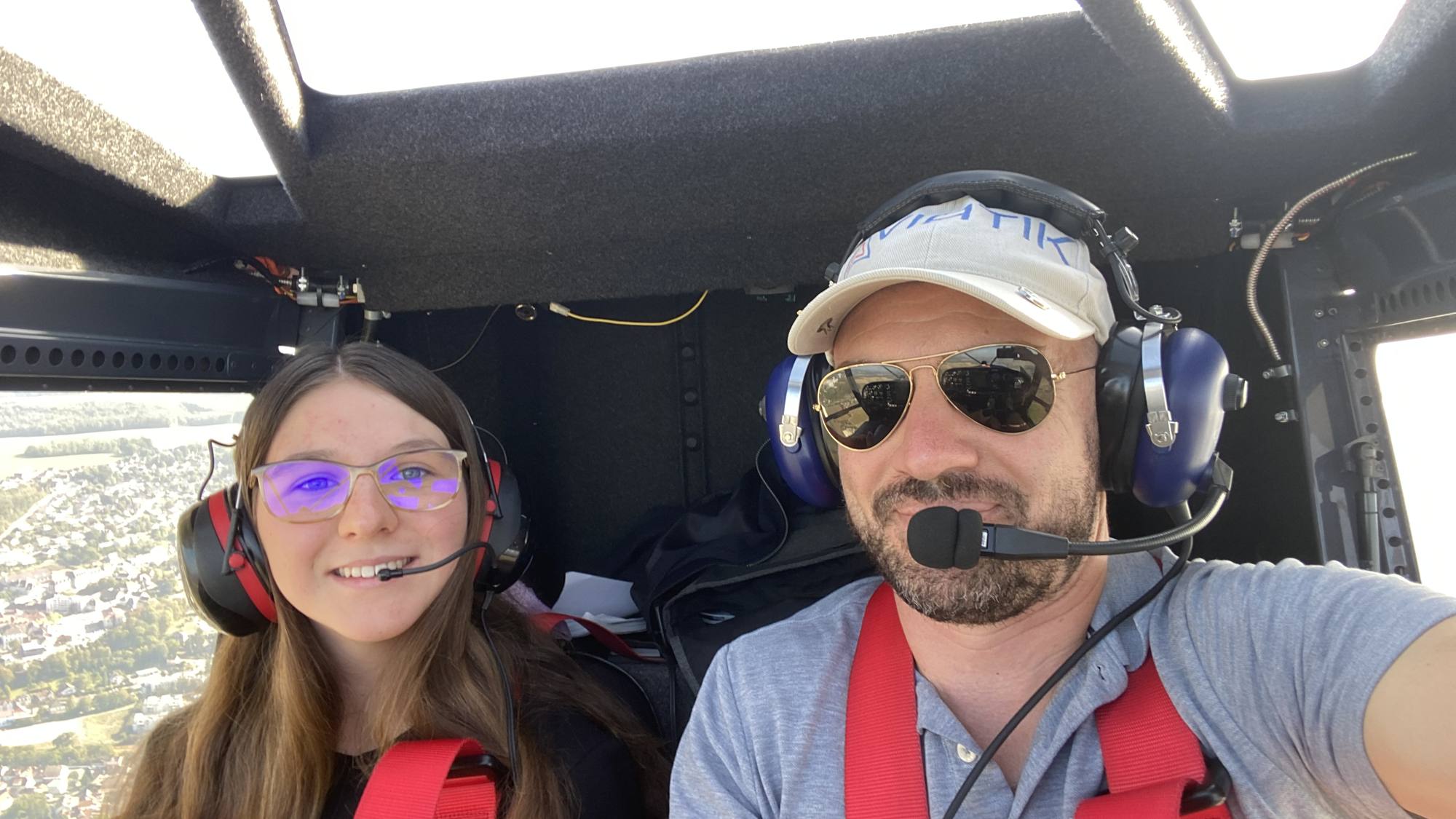
When I arrived at 10:00 the aircraft was in the hangar, which surprised me because it was supposed to be flying from 8:00 to 10:00. I opened the hangar doors and checked the aircraft, fuel first. About 15 litres remained in the tanks. I fetched the jerrycan, removed the left cap and placed it on the jerrycan. Then I topped up to have 40 litres for 2 hours 40 of flight. Once refuelled, I removed the nozzle and rolled the jerrycan back to its place at the back of the hangar. Then I carried out my pre-flight inspection, inside and outside. Once finished, I took the aircraft out and settled my friend on board. I got in myself, ran through my checklists using the on-board document, made my calls, taxied, did my checks at the holding point, and lined up on runway 15 for take-off after announcing a departure via Papa Echo for the volcano.
Climbing near Le Tampon (La Réunion), in slight turbulence, I suddenly smelt fuel. I instantly realised my blunder: I could not picture myself putting the tank cap back. I made a 180 and told AFIS I was returning to the airfield because of a 'technical incident'.
I landed without difficulty after flying a standard circuit and returned to the hangar. As a precaution I topped up the fuel again to make up for the 17 minutes of flight and the small fuel loss, then put the cap back on. I set off again a few minutes later after rechecking the aircraft, without delaying too long either, as I feared cloud would build up over the summits. The flight went very well, to my passenger's delight.
Pilot's comments
I usually carry out the pre-flight with the aircraft outside the hangar. I think that having it inside disturbed me in my inspection, and that, hampered in my movements around the machine, or by the lack of light, I did not check the closure of the wing tank. I was not distracted during my pre-flight. Be that as it may, I made a lapse of vigilance, perhaps due to a certain routine, whereas normally I am extremely attentive to the presence of the caps on the tanks.
Even though this omission is serious, I do not think it could have had major consequences because I regularly monitor my fuel level in the transparent gauges. I would therefore have reacted well before running dry on noticing abnormal consumption.
I also note that the smell of fuel alerted me very quickly to this omission, leading to an immediate and appropriate reaction on my part.
Whether the inspection is done inside or outside the hangar, to avoid this kind of incident in future I suggest putting the tank cap not on the jerrycan but in plain view, either on the engine cowling or on the instrument panel, possibly in a small container to avoid any contamination, so that it stays in the pilot's view when settling on board in case it has been forgotten.
This event also reminds me of the importance of unfailing vigilance during the pre-flight inspection, with a second check of the essential items just before the pilot boards (tank caps, closure of the baggage hold, removal of the Pitot cover…).
It also makes me understand the importance of an experience report that can benefit other pilots and possibly improve procedures. And that even if you are not proud of such a mistake, it is better to share it than to 'gloss over it', telling yourself that everything was handled without consequences.
Federation analysis
Forgetting the tank cap is a fairly classic omission in aviation, and not only in leisure flying. That said, it is safer to separate refuelling the aircraft from the pre-flight inspection. You top up with fuel and then carry out the pre-flight; by separating these actions, you get a double check. 'Every action needs its check.'









