

What happened
PPL pilot since 2005 and three-axis microlight since 2013 / 600 DHV / 1'155 landings / mountain training.
I fly regularly throughout the year and am rather cautious by nature (meticulous navigation planning, cancelling if in doubt about the weather, pre-flights, regular maintenance, …).
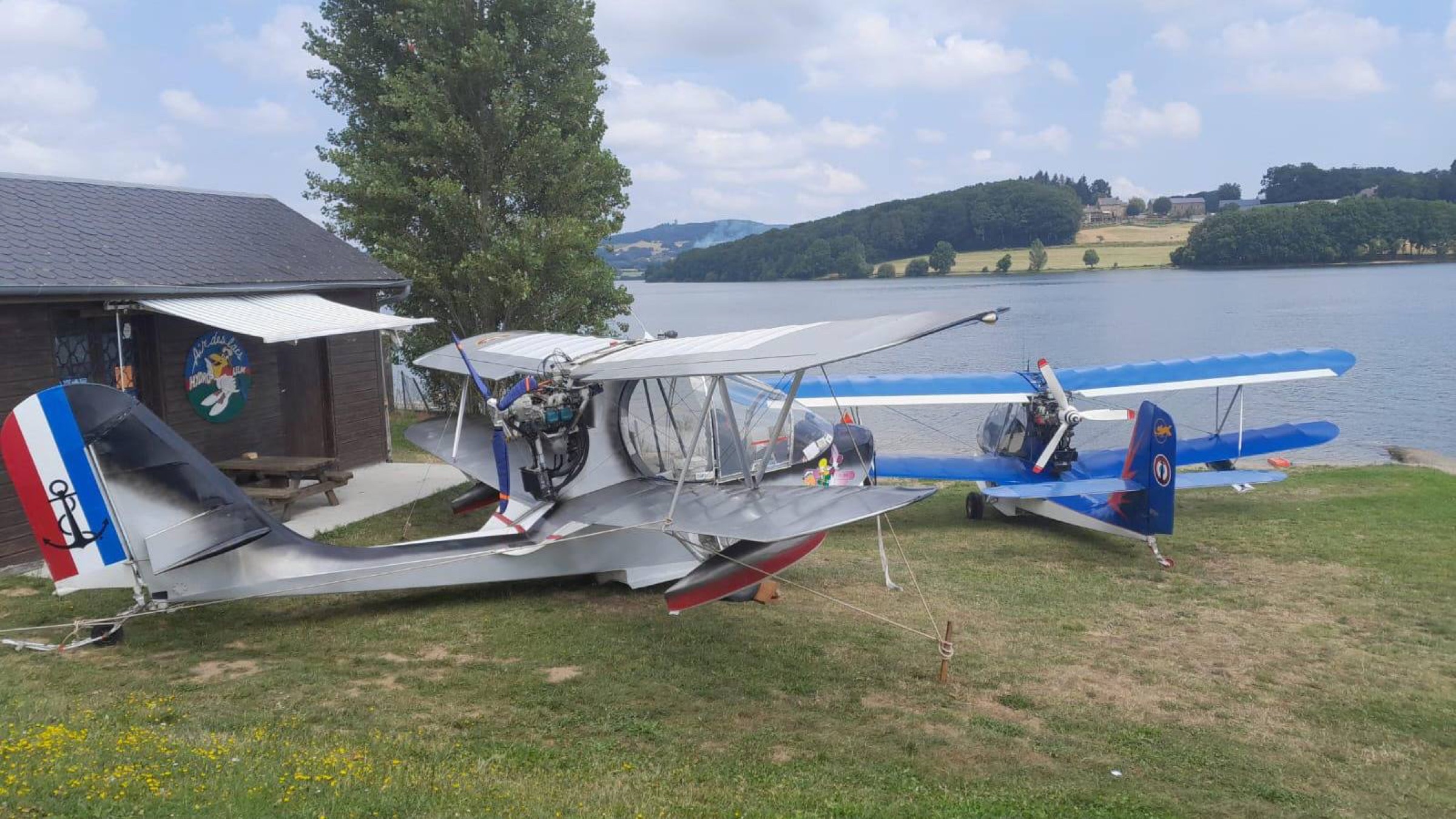
That evening I took off (in my Savannah) for a short local flight, given the expected approach of a thunderstorm, which led me not to venture to a mountain landing strip as I had first wished.
My last flight had been the week before and, as usual, I had filled up with fuel before putting my aircraft back in the hangar, to avoid as far as possible the risk of condensation in my tanks. Note that they are plastic and therefore less prone to this phenomenon.
I generally do a drain check of my tanks when I have not flown for a good while (more than 2 months, which is rather rare) and I had never noticed the slightest moisture since I bought my aircraft more than 5 years ago.
So I did my full pre-flight (but without a drain check), waited for the engine to warm up, carried out my last checks and radio calls, then took off normally.
During my initial climb, in my left turn to leave the circuit, my engine stopped dead at 600 ft AGL. While trying to restart, I lowered the nose to hold my best glide speed. I looked around and had only one possible field; everything else was either too short or had houses, power lines or trees. I headed for it while trying to restart another 2-3 times and announcing my failure by radio. I could see my airfield, but any return was illusory; I was far too low. Too many accounts have also taught me that these 'tempting but impossible' returns have had dramatic consequences. I also ruled out the parachute at this altitude and preferred in any case to fly it to the end, because I knew and could see that it was possible.
I had no trouble reaching the field in question and landed my microlight properly. Unfortunately, just after touchdown, an invisible rut (the grass had just been cut) lay on my path. The undercarriage was instantly torn off at full speed, the aircraft lost its stability and the left wing struck the ground violently, then the right by rebound. The propeller was of course broken, the engine mount badly bent and the airframe completely twisted. I checked the last switches and cut everything, including the fuel, before getting out of my machine unhurt. The BGTA and my insurer were duly notified straight afterwards. Less than a minute passed between my engine stopping and my 'landing' in the field.
Pilot's comments
Fortunately I always keep a field in view 'just in case' and train fairly regularly with idle-engine approaches to see whether my 'engine failure' approach plans are correct. I had also just renewed my PPL and so had carried out these same exercises. I would like to thank my instructors here for all their teaching and advice, which certainly allowed me to make the right decisions.
A great deal of water in my reserve tank and my carburettors. The reservoir through which the fuel flows before reaching the engine must have been full of water at its lowest level, just below the outlet/connection to my carburettors. In my turn, the water, being denser and therefore at the bottom, ended up (because of the bank) at the outlet of the pipe feeding the engine and was therefore sucked in all at once…
We learned that many cars are also breaking down at this time and understood from mechanic friends that this is due to the very high and unusual humidity this summer in the region, which caused extraordinary condensation in service-station tanks. In refuelling after my previous flight, I must have had the bad luck to pump the bottom of a tank and so put an unimaginable quantity of water into my tanks, because it is absolutely not possible to get that much condensation at once.
I had had no engine misfire on my flight the week before, although I had made two landings via circuits flown 'left-hand', and therefore with left turns involving much more bank than the one on my last flight during the departure circuit of our area.
Lesson to learn:
Always carry out a drain check of your tanks before a flight.
Federation analysis
The low-point drain on the fuel system was originally provided to guard against this kind of mishap; it is a pity not to have applied this ritual instruction in the air…