






What happened
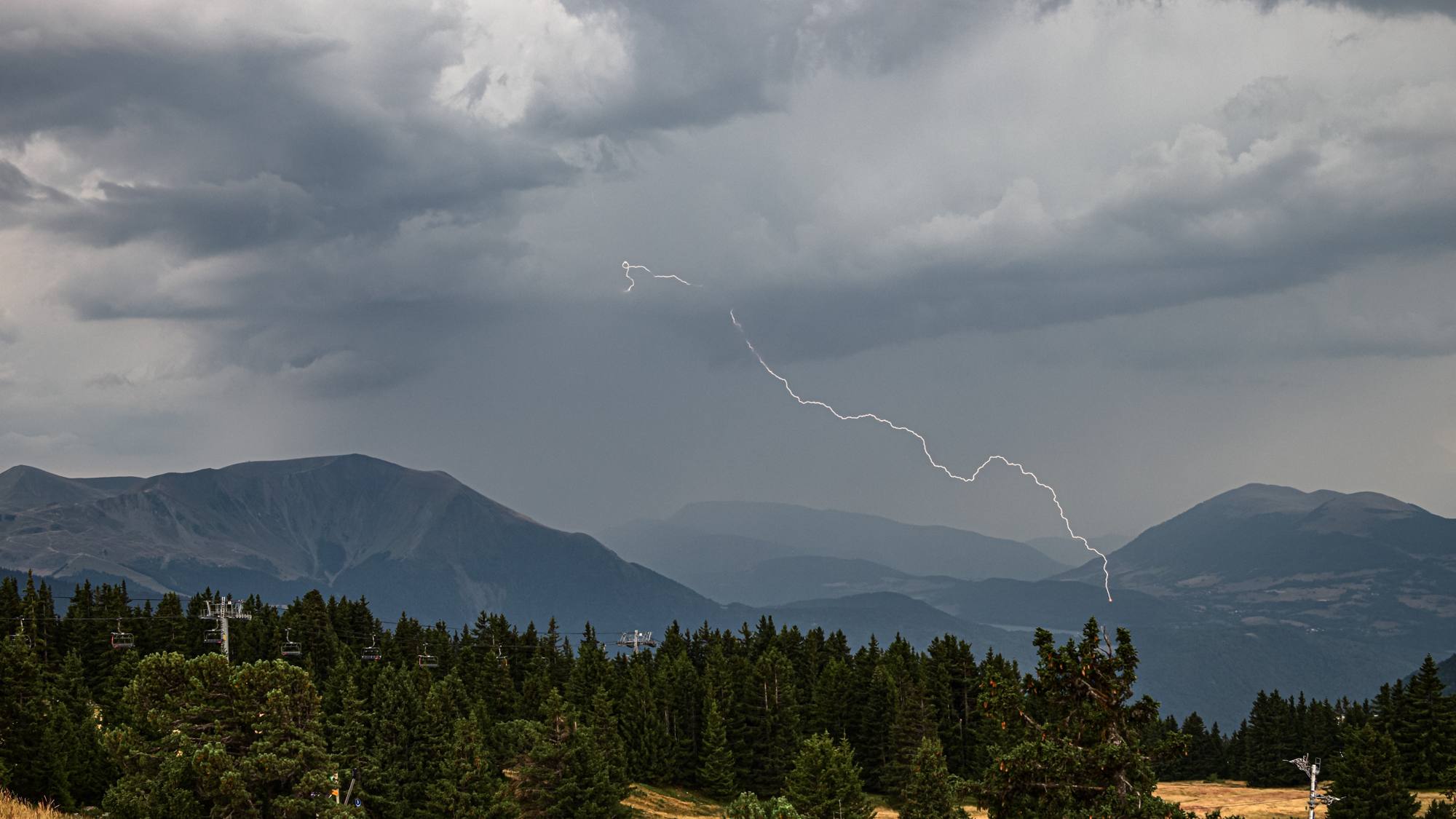
Departure under a blue sky and sun, return under cloud cover, ceiling estimated 2500-3000 ft, visibility estimated 8 km, light showers, very localised and of small extent. Light precipitation encountered at the start of the downwind leg: sleet, a very small amount of graupel, barely noticeable. After the last turn and on final, the whole front surface is covered with a thin film of ice, suddenly depriving me of forward visibility. I carried on relying on peripheral vision and my perfect knowledge of the airfield. A slightly high flare and a slightly firm touchdown, nothing more. Everything melted very quickly once taxiing on the TWY.
Pilot's comments
With low temperatures and a dew point close by, avoid flying in an environment with precipitation, which can quickly ice up the leading surfaces of the machine. A shower in summer is fine, but dangerous at low temperatures in winter. But I would gladly welcome your expert advice :)
Federation analysis
It is necessary to watch the gap between the dew point temperature and the measured outside temperature, particularly when atmospheric humidity is visible. Reading a TEMSI chart (even for a "local" flight) can tell us the likelihood of meeting supercooled water, that is, water in the liquid state but at a negative temperature, which turns to ice on impact with the aircraft's airframe. This is most likely the phenomenon reported here, and the aerodynamic profile of the lifting surfaces can be altered, causing loss of control of the microlight. As a general rule, our aircraft are neither designed nor approved for flight in known icing conditions. To improve our knowledge, refer to the "Guide des Bonnes Pratiques" (Good Practice Guide) published by the DGAC (see the icing flash).









