






Skip to content
French Microlight Federation My Space
Home
Flying Entry to the Flying section

Fly

What is microlighting?Where to fly?Licence and insuranceMedicalHandivolMechanics

Become a pilot

The pilot certificateMicrolight examTrainingTrial flight

Regulations

Regulatory documentsAirspacePlan your flightsAirfieldsOPS ULM — order of 17/02/25

Federation support

Youth supportThe BIAGrantsIn-Flight Companion training
Instruction Entry to the Instruction section

Network

Clubs and schoolsInstructors

Instructors

Microlight instructor trainingList of instructors by départementKnowledge refresherThe teaching programmeTeaching and technical sheets
Sport
Safety Entry to the Safety section

Prevention

DirectivesParachutesFederation prevention

Safety reports

REX — submit and browseFlight Safety BulletinReturn to Flying (REV)ECCAIRSCSV flight safety officersList of REX reports

Alerts

Safety news

Files and quizzes

Good practice
News Entry to the News section

Read

Federation newsULM Info — the magazineClub and school life

Calendar

EventsSubmit an eventFederation events

Media

Photos & VideosDocuments to downloadPractical guides

Stay informed

Frequently asked questions
The Federation Entry to the Federation section

The institution

Les ÉlusLes pôlesLes comités régionauxLa DTNÉthique et déontologieProtection des populations de l’ULMULM & EnvironnementLa Fédération en chiffresTextes officielsAssemblée Générale

Federation events

The Youth Microlight Tour (Tour ULM Jeunes)Microlight World ChampionshipsFesti'ULM

Join us

RecruitmentContactReport
Site map

SafetySafety report

Engine problem

REX no. 8208
Year
2023
Seaplane
No
Weather
Favourable
Damage
Yes
Aircraft
Paramotor
Date of flight
14/02/2023
Crew
Solo flight
Role on board
Pilot
Event type
Engine problem
REX category
Technical level
Phase of flight
in the cruise
Type of flight
leisure, a local flight
Equipment
Parachute, GPS
Environment
in the mountains
Description of the damage
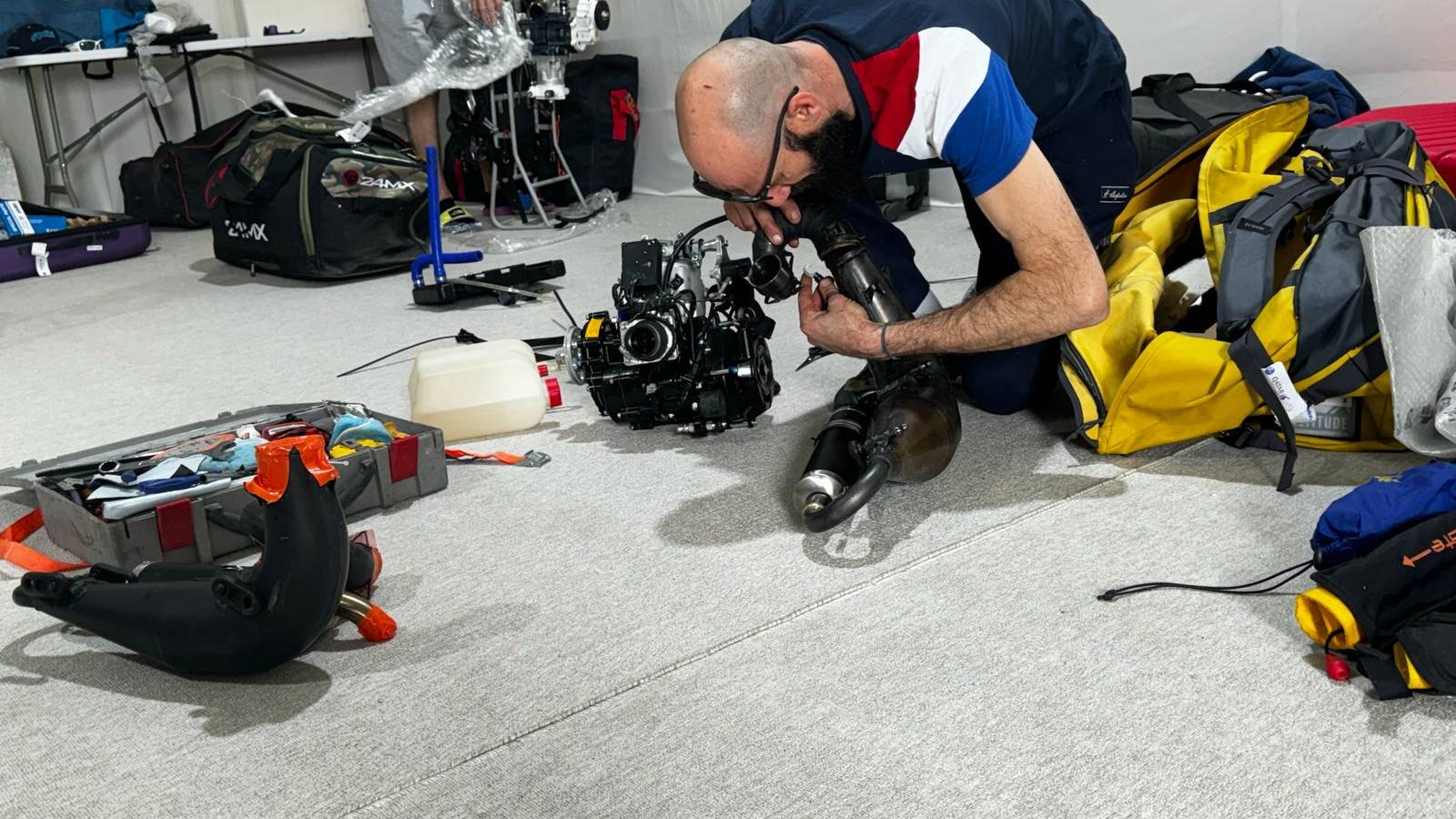
2-stroke engine broken during the flight. The lower cylinder and lower piston exploded and scattered debris in the crankcase.

What happened

The aim of this flight was simply to fly and reach an altitude of 10,000 ft. I navigated for 1 hour, climbing in steps to stay below the Lyon TMA; I reached the end of the zones at an altitude of 9,000 ft and began my last climb before turning back and returning to the airfield. Suddenly at 9,500 ft the engine made an abnormal noise followed by a stop that was not abrupt (seizure) but took about 1 second. The loss of power is immediate; I start an immediate U-turn to get closer to my departure airfield, helped by the wind, which is now behind me.

During my descent, which lasted 20 minutes, I try to restart the engine but it is seized. I use the wind to get closer so that I can be picked up more easily afterwards.

At a height of 1,000 ft I finally choose my landing field, clear and in rather good condition, and keep a second option in case it is needed.

The landing goes without problems.

Pilot's comments

it is important to always plan for an engine failure and to be even more careful when flying at low altitude.

I knew my wing well and that allowed me to work out my glide calculations with good accuracy.

Having a phone on you is always a good thing.

Choose your landing field high enough to have time to see how things develop; do not focus on gliding as far as possible, at the risk of getting into an uncomfortable situation.

always stay calm : )

They support the federation

All our partners
  • Ministry of Ecological Transition
  • DGAC
  • Ministry of Sport and the Olympic Games
  • National Sports Agency
  • CNFAS
  • FAI
  • Aéro-Club de France
  • CNOSF
  • EMF
  • Air and Space Museum








