






Skip to content
French Microlight Federation Member
Home
Flying Entry to the Flying section

Fly

What is microlighting?Where to fly?Licence and insuranceMedicalHandivolMechanics

Become a pilot

The pilot certificateMicrolight examTrainingTrial flight

Regulations

Regulatory documentsAirspacePlan your flightsAirfieldsOPS ULM — order of 17/02/25

Federation support

Youth supportThe BIAGrantsIn-Flight Companion training
Instruction Entry to the Instruction section

Network

Clubs and schoolsInstructors

Instructors

Microlight instructor trainingList of instructors by départementKnowledge refresherThe teaching programmeTeaching and technical sheets
Sport
Safety Entry to the Safety section

Prevention

DirectivesParachutesFederation prevention

Safety reports

REX — submit and browseFlight Safety BulletinReturn to Flying (REV)ECCAIRSCSV flight safety officersList of REX reports

Alerts

Safety news

Files and quizzes

Good practice
News Entry to the News section

Read

Federation newsULM Info — the magazineClub and school life

Calendar

EventsSubmit an eventFederation events

Media

Photos & VideosDocuments to downloadPractical guides

Stay informed

Frequently asked questions
The Federation Entry to the Federation section

The institution

Les ÉlusLes pôlesLes comités régionauxLa DTNÉthique et déontologieProtection des populations de l’ULMULM & EnvironnementLa Fédération en chiffresTextes officielsAssemblée Générale

Federation events

The Youth Microlight Tour (Tour ULM Jeunes)Microlight World ChampionshipsFesti'ULM

Join us

RecruitmentContactReport
Site map

SafetySafety report

Estimated dangerous proximity (airprox)

REX no. 8434
Year
2026
Seaplane
No
Weather
Favourable
Damage
No
Aircraft
Three-axis microlights
Date of flight
21/05/2026
Crew
Solo flight
Role on board
Pilot
Event type
Estimated dangerous proximity (airprox)
REX category
Caution
Phase of flight
in the cruise
Microlight make
Citius
Type of flight
leisure
Equipment
Artificial horizon, Parachute, Radio, Transponder, GPS, Tablet, Other (Please specify below)
Possible consequences
Mid-air collision
Engine hours
180
Engine
912ULS
Other equipment
Safesky
Environment
in the mountains
Microlight flight hours
180
Year of manufacture
2025

What happened

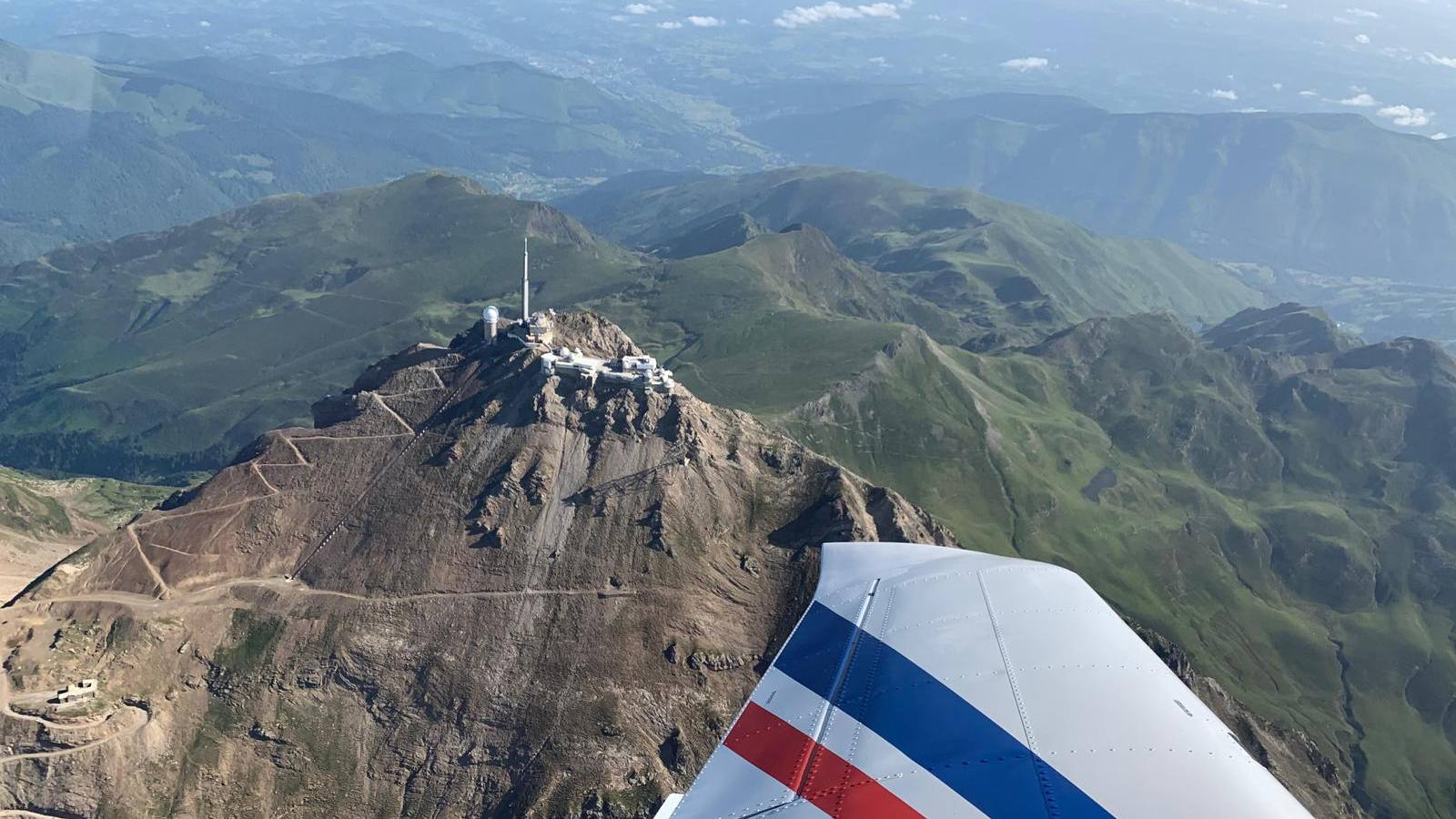
Cruising along the Vercors from north to south, radio on 123.065, transponder, CAS system including Flarm in theory, mobile phone network working, a glider appeared in front of me and we passed 4 metres from each other, wingtip to wingtip....

Conclusion: CAS systems based on the mobile phone network are not reliable. Gliders (and this is stupid) still use neither transponders nor the mountain frequency even though they fly at 90 kt along the slopes. This is the second time I have had a dangerous proximity with a glider. Gliders seem to live in their own bubble: the mountain frequency does not concern them, nor does the transponder... They prefer a system that is more expensive than a transponder and that is private... They claim to be safe in aviation terms when they are only seen and heard by their own family... The same could be said of paragliders at 8000 ft in the middle of a blue sky, but at least you can see them from afar. Whereas a glider head-on with a relative closing speed of 300 km/h is only seen at the last moment. It is too late to make any manoeuvre at all.

Pilot's comments

Gliders have performance such that they could very well carry batteries and radios to be at least on the mountain frequency. Next to the 700 kg to 800 kg of gliders, it is a farce to say that a battery and an aviation radio weigh too much. And they cost far less than a Flarm, which is only useful to people in the same family. (As for phone-based systems, let's stop the farce please. They don't work in real time.)


They support the federation

All our partners
  • Ministry of Ecological Transition
  • DGAC
  • Ministry of Sport and the Olympic Games
  • National Sports Agency
  • CNFAS
  • FAI
  • Aéro-Club de France
  • CNOSF
  • EMF
  • Air and Space Museum







