Turning back after a loss of power on take-off…
On 25 October 2018, the pilot of a Zenair CH601 took off in mid-morning from runway 10 at Île des Pins aerodrome in New Caledonia. The weather was very good, 24° and a wind from 100° at 10 kts, visibility over 10 km.
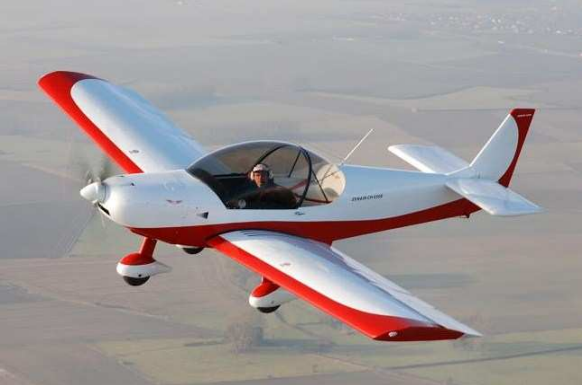 BEA:/accident-du-zenair-ch601 a-ile-des-pins-moue (Nouvelle-Calédonie 988)
When power was applied, the engine speed (Rotax 912 UL of 100 hp) reached 5200 rpm but, during the take-off roll, this speed fell towards 4400 rpm! Despite this significant drop in rpm, the microlight took off with the engine speed fluctuating between 3300 rpm and 4200 rpm.
The attitude of the aeroplane varied between 2° and 11°. The pilot turned right to attempt to return, and this manoeuvre produced a bank angle reaching 30°. In the middle of the turn, the pilot said he intended to land again, and the CH601 stalled during this attempted reversal.
The pilot, aged 75, had held a private pilot licence for aeroplanes since 1993 and had a little under 300 flight hours on aeroplanes when his licence was extended in April 2018. He had held a microlight certificate since 1991 with three-axis, paramotor and weight-shift ratings. The investigation was unable to determine his experience on microlights.
On 19 October 2018, maintenance work was carried out in coordination with the owner: replacement of the fin, an engine oil change with replacement of the oil filter and spark plugs. The engine tests raised no particular remarks. On the day of the accident, the pilot refuelled by adding 20 litres to each wing tank, with the fire-fighter and the AFIS officer present on site, and an engine test was then carried out.
Lessons:
Here we are once again faced with an attempt to return to the ground, against the QFU, before reaching the safety altitude at which control of the flight path can be assured right down to the ground. When loss of control occurs, the impact energy is considerable and leads to the destruction of the aeroplane with fatal consequences for the occupants.
The safety height for a possible turn-back must be specified for the aircraft; if it has not been reached, a turn-back must never be considered!
Losses of control occur regularly during manoeuvres to return from a low height above ground, on the last turn at a steep bank angle with premature speed decay and an aggravating load factor. It is an absorbing phase, and cognitive perception can be impaired by the fact that a pilot finds it hard to accept the idea of colliding with an obstacle.
Some reactions are often instinctive and mechanical; a quick briefing (mental plan) before take-off generally helps to ensure the safety of the manoeuvre better.
Mental reminder before take-off:
- Safety height
- +/- 30° maximum either side of the axis
- Most favourable zone
Happy flying!