






Skip to content
French Microlight Federation
Home
Flying Entry to the Flying section

Fly

What is microlighting?Where to fly?Licence and insuranceMedicalHandivolMechanics

Become a pilot

The pilot certificateMicrolight examTrainingTrial flight

Regulations

Regulatory documentsAirspacePlan your flightsAirfieldsOPS ULM — order of 17/02/25

Federation support

Support for young peopleThe BIAGrants
Instruction Entry to the Instruction section

Network

Clubs and schoolsInstructors

Instructors

Microlight instructor trainingList of instructors by départementKnowledge refresherThe teaching programmeTeaching and technical sheets
Sport
Safety Entry to the Safety section

Prevention

DirectivesParachutesFederation prevention

Safety reports

REX — submit and browseFlight Safety BulletinReturn to Flying (REV)ECCAIRSCSV flight safety officersList of REX reports

Alerts

Safety news

Files and quizzes

Good practice
News Entry to the News section

Read

Federation newsULM Info — the magazineClub life

Calendar

EventsSubmit an eventFederation events

Media

Documents to downloadPractical guides

Stay informed

Frequently asked questions
The Federation Entry to the Federation section

The institution

Elected membersThe divisionsRegional committeesThe DTNEthics and professional conductSafeguarding in microlightingThe federation in figuresOfficial textsGeneral Assembly

Federation events

The Youth Microlight Tour (Tour ULM Jeunes)Microlight World ChampionshipsFesti'ULM

Join us

RecruitmentContact
Report Member area Federation shop Site map 2026 Licence

InstructionInstruction

The teaching programme

The certificate, passenger-carrying, the radio rating: the microlight pilot training course, with a programme for each class and the instructor’s documents.

Instruction

The certificate, passenger-carrying, the radio rating: the microlight pilot training course, with a programme for each class and the instructor’s documents.

The course

Three phases, from student to pilot

The teaching programme that applies under the federal label is based on a microlight pilot training course divided into three phases.

  1. Phase 1The pilot certificateSpecific to each microlight class: the practical course, the basic theory and practical programme, the administrative documents and the progress-tracking tools.
  2. Phase 2Passenger-carryingSpecific to each class: the passenger-carrying programme and the test sheet.
  3. Phase 3The radio ratingFor pilots who want it; common to all classes: the training programme for radiotelephony in French.

Class by class

The programmes and documents

A specific programme is developed for each microlight class. Choose yours: the documents open as Word or PDF files.

1

Class 1

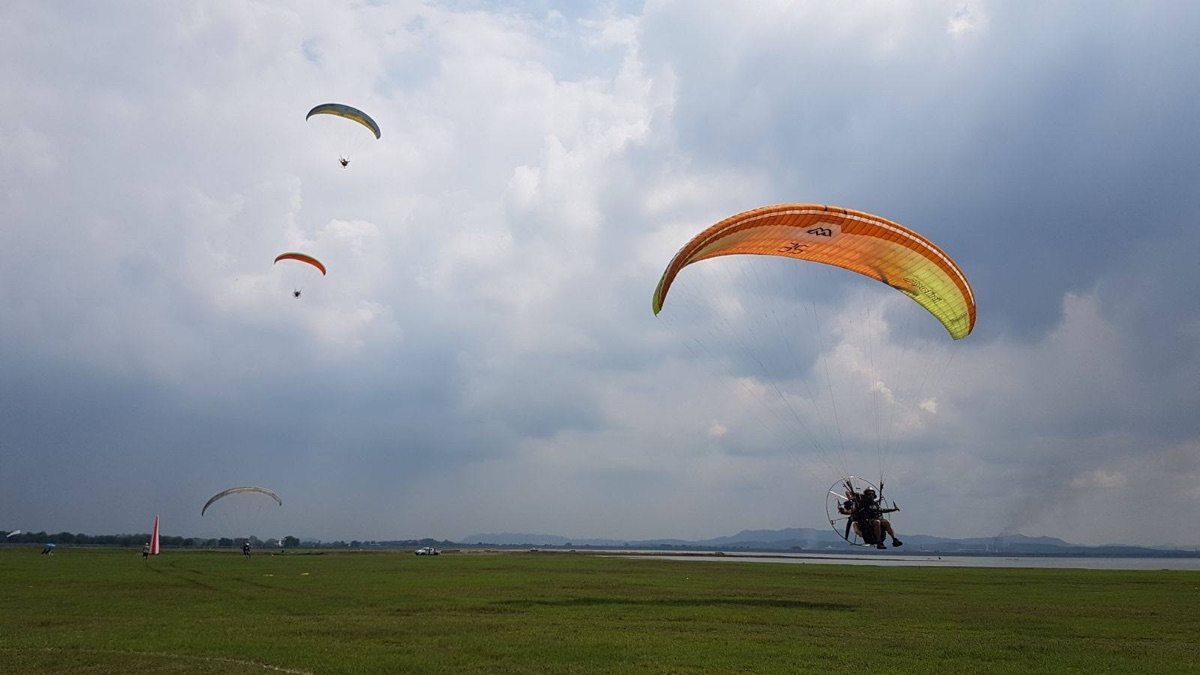
Paramotor

2 phases and 11 documents published by the federation to train a student paramotor pilot.

The class page

Phase 1 · Paramotor pilot certificate

How the training works

Administrative documents to use

It is preferable to use the forms (to download) provided by each regional office. Failing that, you can use the 3 types of form linked below. These documents correspond to the successive stages of training. They must…

2

Class 2

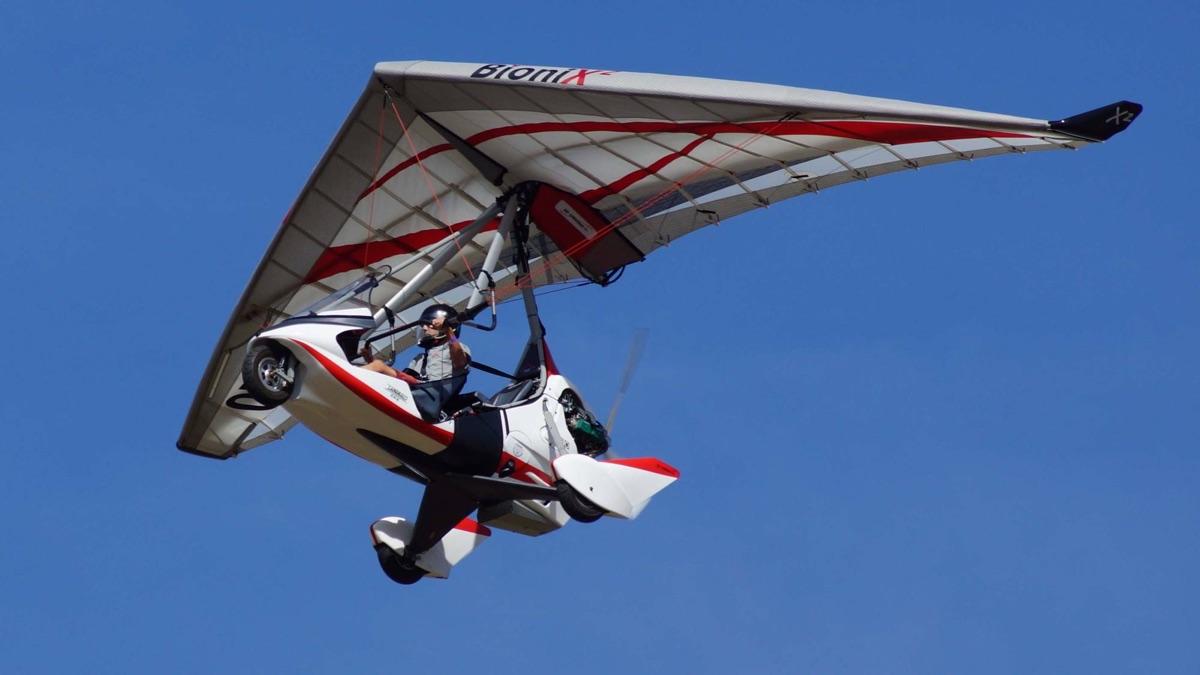
Weight-shift microlight

2 phases and 13 documents published by the federation to train a student weight-shift pilot.

The class page

Phase 1 · Weight-shift pilot certificate

How the training works

Administrative documents to use

It is preferable to use the forms (to download) provided by each regional office. Failing that, you can use the 3 types of form linked below. These documents correspond to the successive stages of training. They must…

Phase 2 · Weight-shift passenger-carrying

3

Class 3

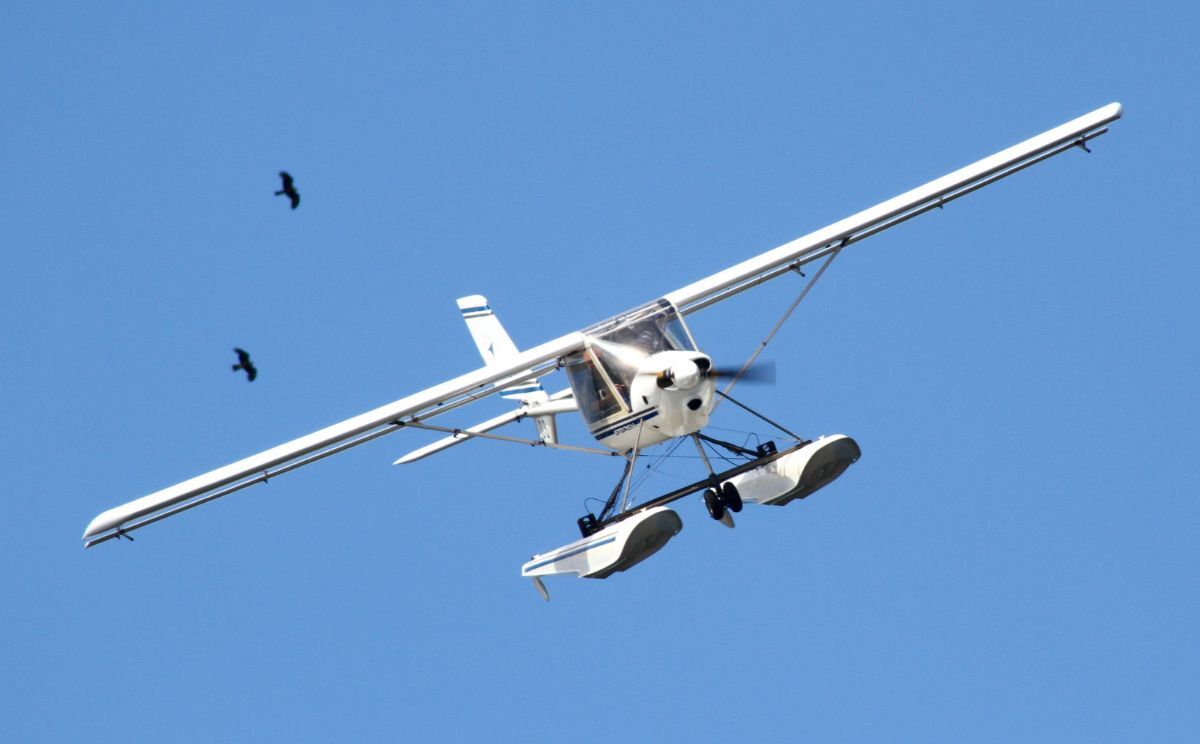
Three-axis microlight

2 phases and 14 documents published by the federation to train a student three-axis pilot.

The class page

Phase 1 · Three-axis pilot certificate

Phase 2 · Three-axis passenger-carrying

4

Class 4

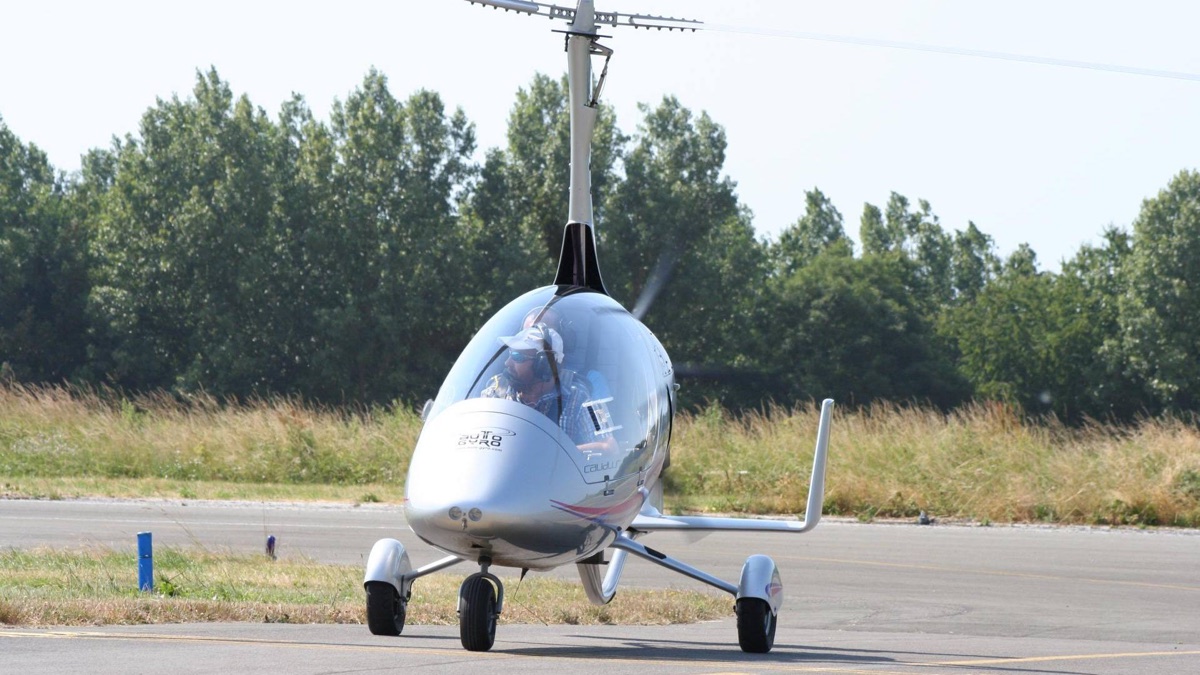
Gyroplane

2 phases and 13 documents published by the federation to train a student gyroplane pilot.

The class page

Phase 1 · Gyroplane pilot certificate

Administrative documents to use

It is preferable to use the forms (to download) provided by each regional office. Failing that, you can use the 3 types of form linked below. These documents correspond to the successive stages of training. They must…

Training monitoring tools

These sheets, drawn up for the instructor, make it possible to keep a record of the training given, and of the remarks and advice made on those occasions. They must be completed carefully, and will make it possible to demonstrate the quality…

Phase 2 · Gyroplane passenger-carrying

5

Class 5

Aerostat

The training syllabus for this class is published as a single document.

The training syllabus (PDF)

6

Class 6

Helicopter

The training syllabus for this class is published as a single document.

The training syllabus (PDF)

It is preferable to use the forms provided by each regional delegation; failing that, the federation forms above can be used.

The teaching programme

The federation's text

The teaching programme that applies under the federal label is based on a microlight pilot training course divided into 3 phases:

- Issue of the microlight pilot certificate.
- Authorisation for passenger-carrying.
- Issue of the radio rating (for pilots who want it)

The first two phases are specific to each microlight class, whereas the third is common to all classes.

A specific programme is developed for each microlight class (except aerostats at present)

IMPORTANT REMINDER TO INSTRUCTORS!...

…Concerning the order of 4 May 2000 on the programme and arrangements for the exams for the certificate and licence of motorised ultralight aircraft pilot.

The ground test is specific to each microlight class. It consists of a check of the candidate’s knowledge by a microlight pilot instructor for the class concerned.

The programme set out in annex 2 to this order must be adapted and developed by the instructor according to the class applied for.

It is obvious that, for their own safety and that of others, the student cannot be satisfied with the knowledge and level they gained by passing the common theory exam (multiple-choice tests)

Very often, many months have passed between this theory exam and the end of instruction. This time should allow the student to maintain the knowledge previously acquired, and to develop and deepen it, with the help of their instructor, throughout their training course.

In practical terms, the result of the class-specific ground test must reflect what the student has learned, recorded and retained since the start of their training, and allow their instructor to determine whether or not the level the student has reached is sufficient.

To do this, the class-specific ground test can follow the outline developed in the Basic theory teaching programme for a student microlight pilot (in each class). This programme is on the federation website, in the chapter ''Teaching Programme''.

Instructors can use it to:

  • Determine whether their student’s knowledge is sufficient to pass the class-specific ground test,
  • Identify shortcomings and points to go over in more depth, on which students will need to focus their efforts.

The instructor must complete the specific form available from the regional delegation, which will state, among other information, the date on which the class-specific ground test was passed.

This administrative form, part of the federal label, is valid for every microlight class.

Federation office

A question on this subject?

The federation office answers members, clubs and schools, and the press. The easiest way is the contact form.

Contact us

They support the federation

All our partners
  • Ministry of Ecological Transition
  • DGAC
  • Ministry of Sport and the Olympic Games
  • National Sports Agency
  • CNFAS
  • FAI
  • Aéro-Club de France
  • CNOSF
  • EMF
  • Air and Space Museum








