






Toulouse, aeronautical capital
Tuesday 26 July
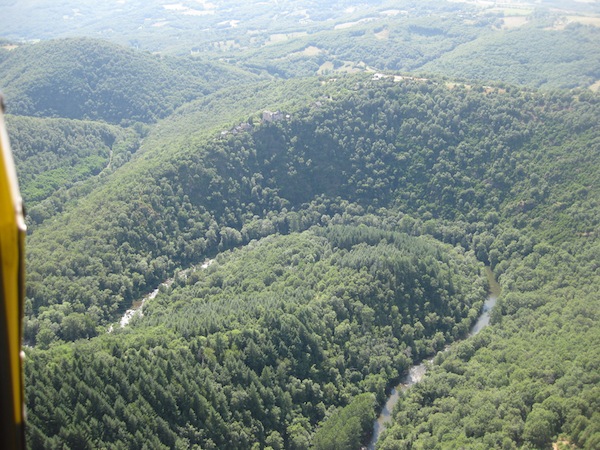
The stage from Villefranche-de-Rouergue to Muret Lherm aerodrome, south-west of Toulouse, was relatively short and the participants took their time setting off. The route involved heading south along the Aveyron Gorges, with villages perched in very dense settings of greenery: the château de Courbières, the château Saint-Jean at Najac. Leaving the Gorges, still heading south, we come upon a high place of Catharism: Cordes-sur-Ciel, which has a perfect name for flying enthusiasts, all length and all height. It is splendid and once again you feel like landing and visiting, getting lost in its history-laden lanes, where from above you sometimes glimpse a charming little square with its fountains and welcoming terraces shaded by noble trees. The town of Gaillac is just as appetising, bathed by the waters of the Tarn, with the Château de Foucaud and a superb lock. Enough dreaming, and very quickly we head for Castelnaudary, leaving the Montagne Noire on our right and partly rediscovering the route of a Tour ULM 2014 stage from Graulhet. (www.ffplum.info/tour-ulm-blog/216-tour-ulm-2014/454-graulhet.html).
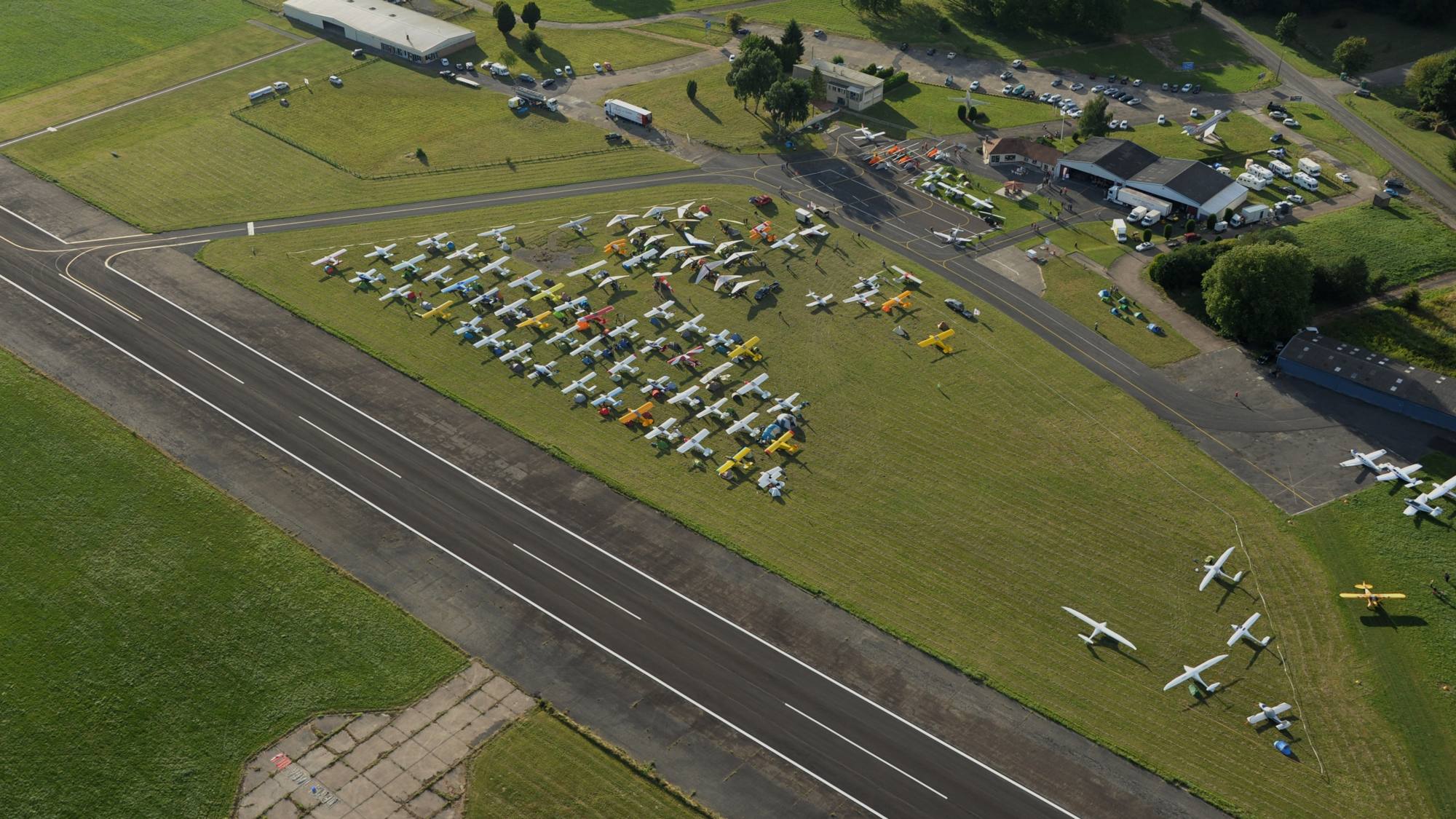
This time, however, the aim was to reach Muret Lherm, which is one of the training airfields of the Ecole Nationale de l’Aviation Civile, with many machines on site. This led to a slightly different integration with the airfield controllers. One of the charms of the Tour ULM is to vary the pleasures and the flying experiences. The CALM microlight club hosted us for this rest day with the help of the company Innov’Air. It is hot but we made the best of the airfield's possibilities. The ENAC's chief of staff, the likeable Philippe Le Lignié, shared this evening of enthusiasts with us.
Wednesday's rest day was in two parts. The morning was devoted to weighing the machines and the afternoon to a visit to the Airbus site and Aeroscopia.
The subject of weight and microlights can give rise to long controversies, which are not really the subject of this blog. However, to sum up briefly, you could say that microlights, often the victims of prejudice, are accused of having become too heavy, on the theme: microlights have become aeroplanes! So the regulations must change, and so on… It is a theme as old as aviation! From Santos-Dumont to the A380, but as the microlight has a certain success, it is true that it attracts attention that is not always benevolent. In fact, the subject of weighing microlights has become almost taboo, yet talking about reality avoids many fantasies. The Federation therefore decided to make the scales of the Centre National de Formations Techniques et d’Essais (CNFTE) available on the Tour so that participants can weigh their machine anonymously and voluntarily.
In practice, this means weighing the empty mass in the real conditions of a microlight airfield, allowing for the inevitable measurement errors, on grass, with a light wind, deducting the weight of fuel and optional equipment. After the initial shyness, this operation was a real success and about forty machines were weighed. Apart from two slightly heavy machines, most of the aircraft were perfectly within the rules! We will not give the detailed figures at this stage, but all owners and builders should be encouraged to be completely open about this. It is good for everyone! Go on, a few figures? Tetras? 278 kg. Dynamic? 290 kg. Jodel? 245 kg… The weighing will be available every evening and certainly at Blois for volunteer crews. Always in the microlight spirit: voluntary and responsible. Everyone will win and we will spare ourselves a lot of pointless controversy.
In the afternoon we were at the heart of aircraft manufacturing, the A380 assembly plant and the Aeroscopia Museum (www.musee-aeroscopia.fr). It is certainly the most concrete way of seeing that France is the world's second aeronautics nation. Everything is carried by this magnificent company. If you have time, go round the museum, which is lively and well thought out in a beautiful building. It is a bit late to talk about all this, but one thing is certain: the participants made the most of their rest day.
The weather is magnificent for the rest of the week. As the Tour does not exist outside current events, we all live with horror the awful things of our time and tell ourselves how lucky we are to be able to share common passions together in a fraternal way. It may be clumsily put, but in such cases words are often too much, intuition is enough.
Thanks again to the club that made our last evening at Muret swing to the rhythm of djembes.
Sébastien Perrot
(Diogène GPS beacon)
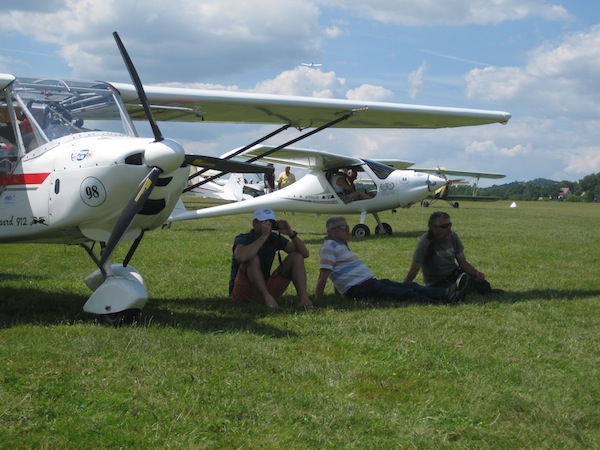
Take-offs from Villefranche-de-Rouergue
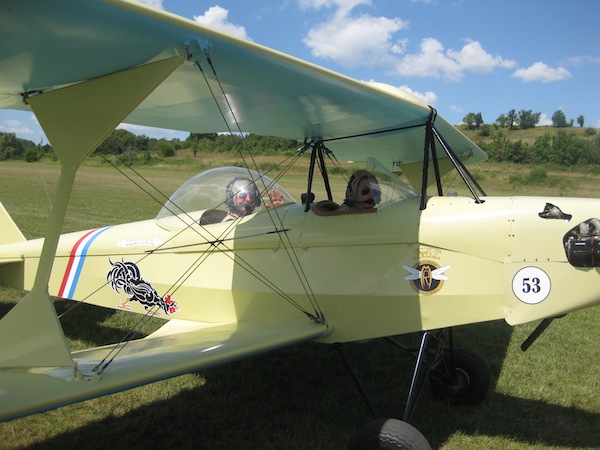
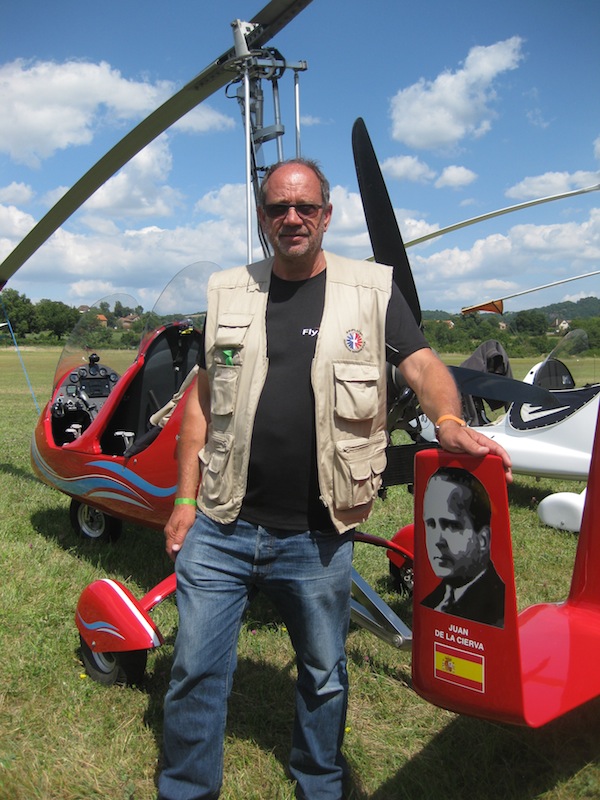
Juan de la Cierva, the inventor of the gyroplane, in pride of place on the fin
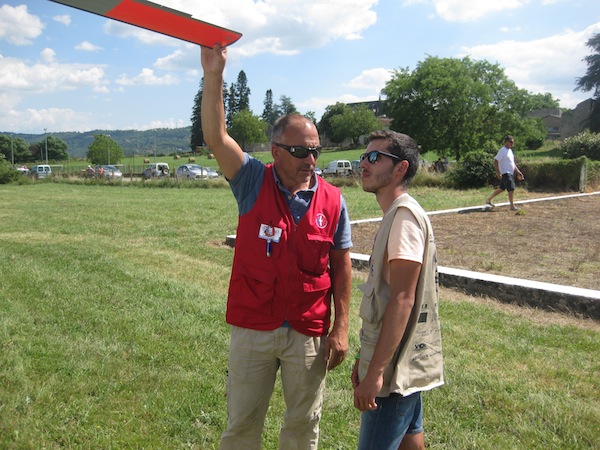
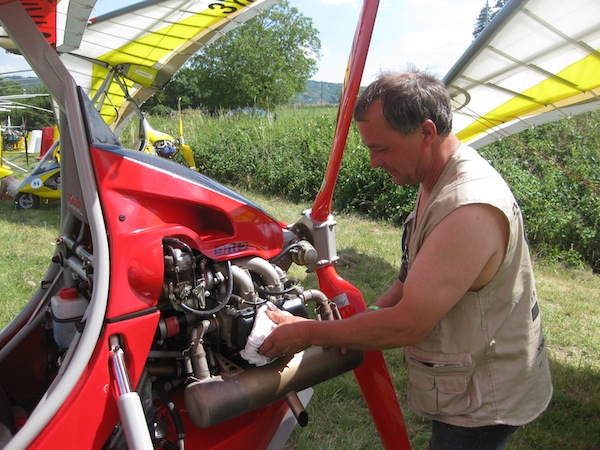
Pre-flight inspection on the class 6
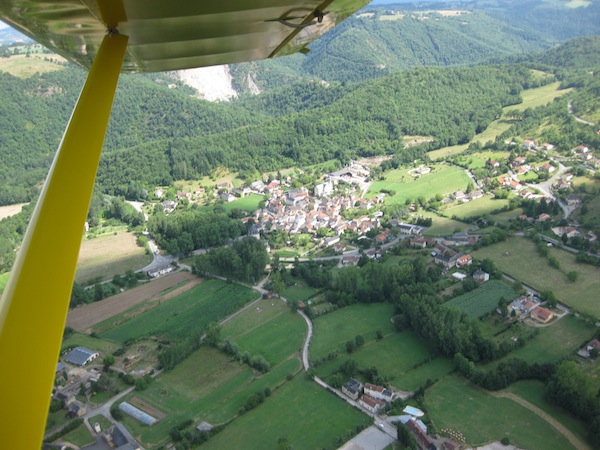
Monteils, south of Villefranche-de-Rouergue
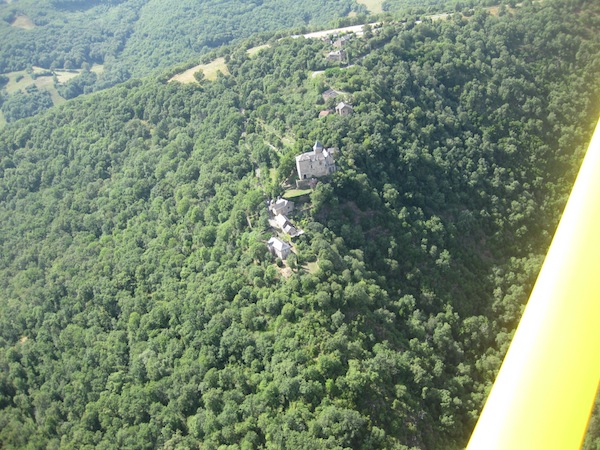
The Château de Courbières
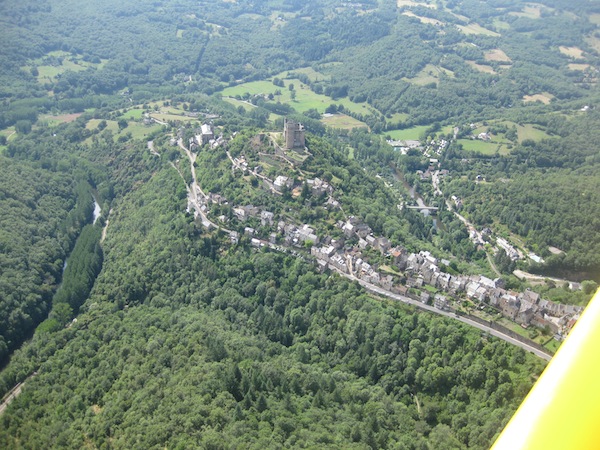
The village of Najac
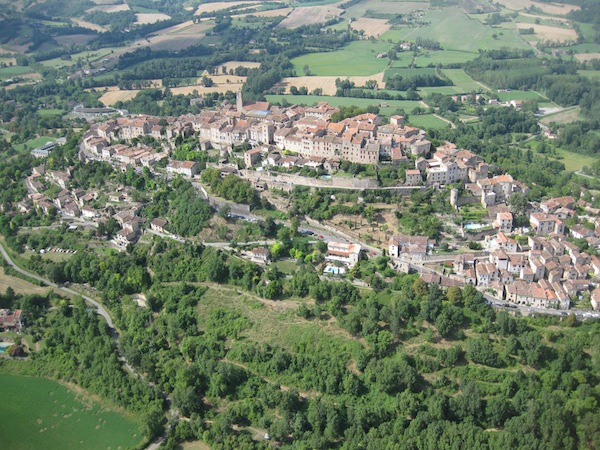
Cordes-sur-Ciel
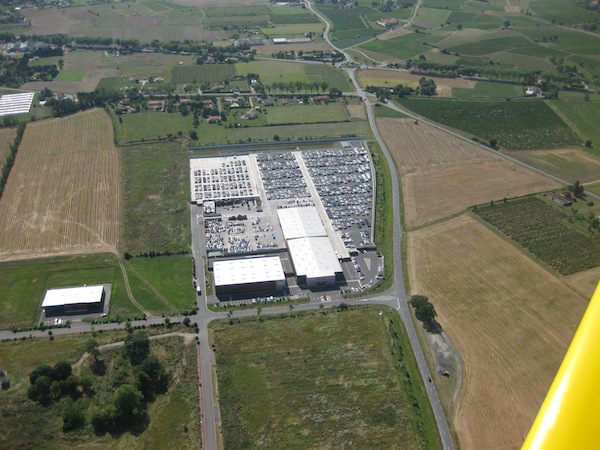
Reflections from a car-parts recycling plant
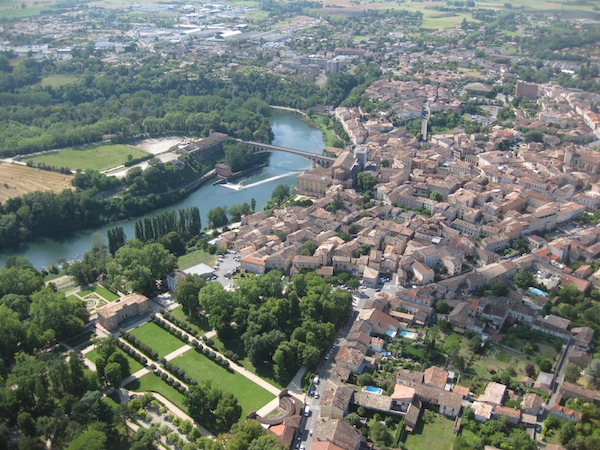
Gaillac
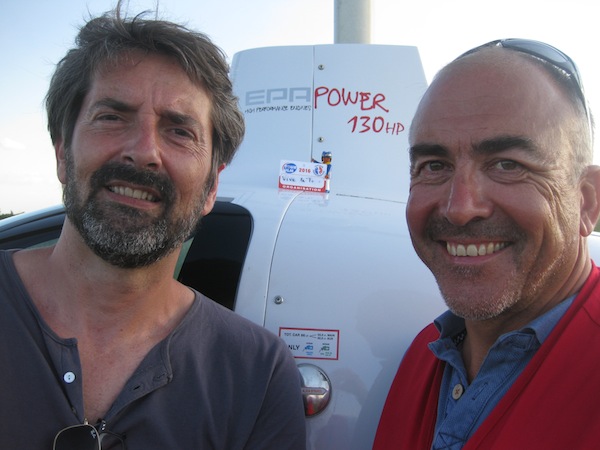
The class 6 makes people happy
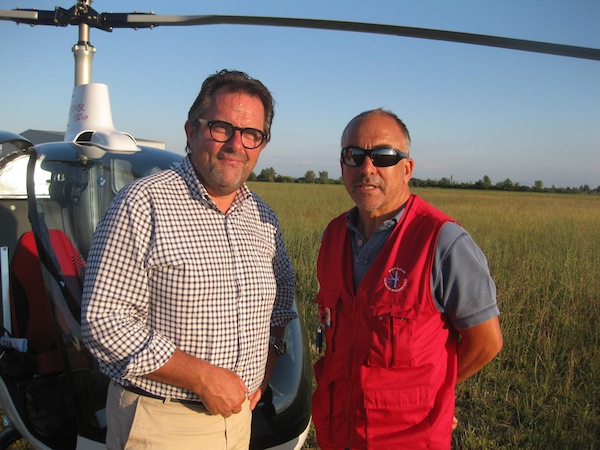
Philippe Le Ligné of the ENAC discovers the joys of the class 6, he is an enthusiast
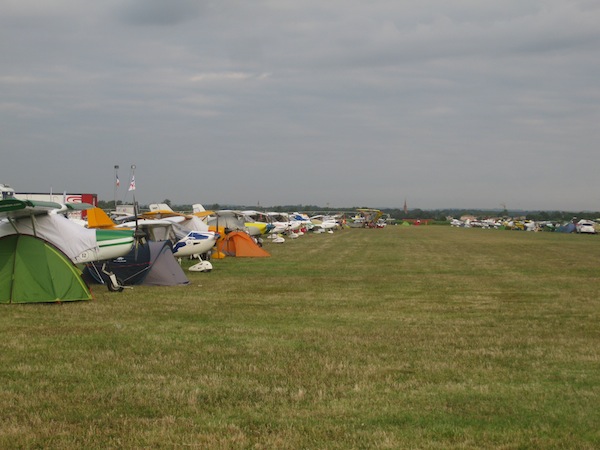
Muret-Lherm airfield, microlight side
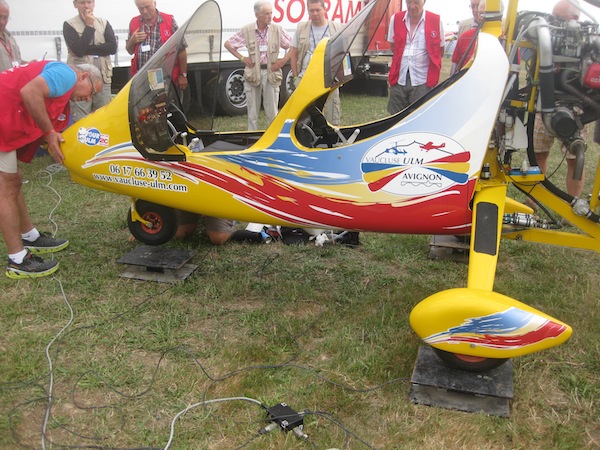
Weighing the gyroplane
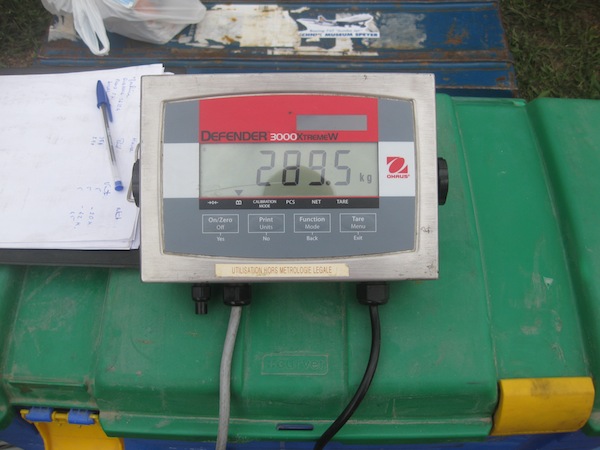
Without the fuel it comes to 275 kg!
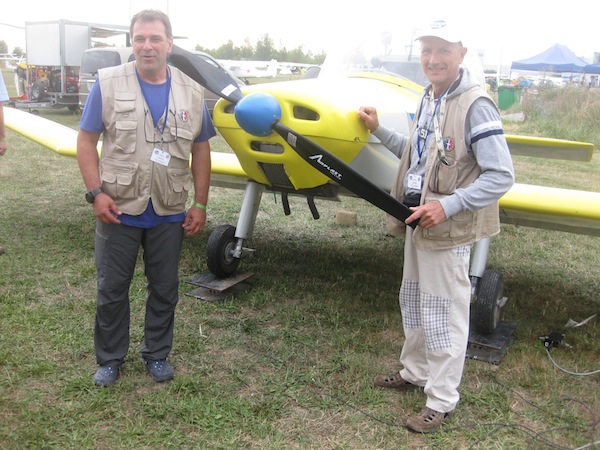
Milko's Jodel, built by Bernard Cottet and Guy Roherig: 245 kg!
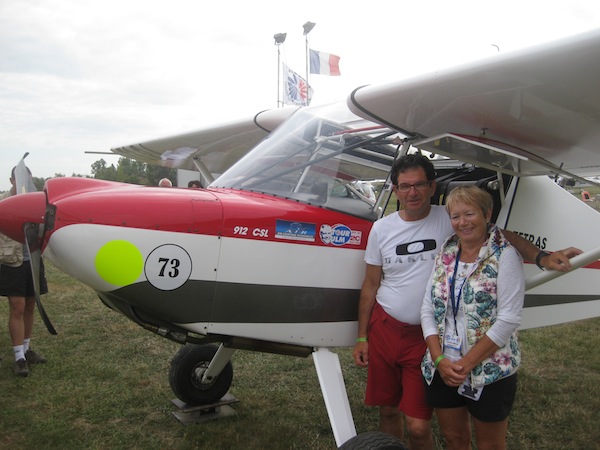
Tetras: 278 kg
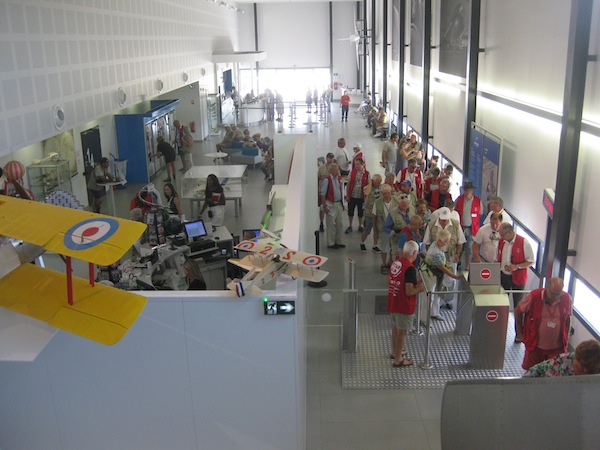
The entrance to the Aeroscopia museum
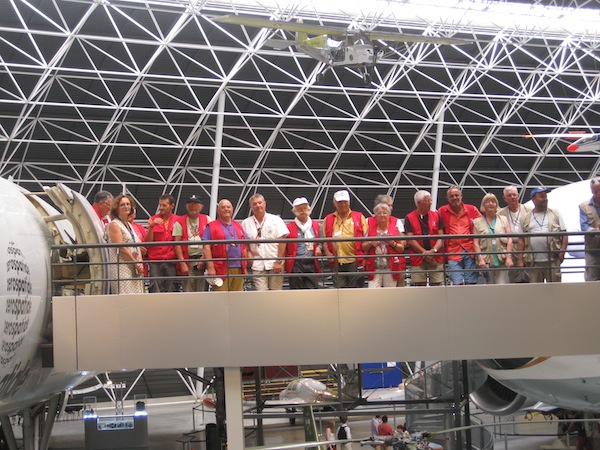
Boarding for the Concorde
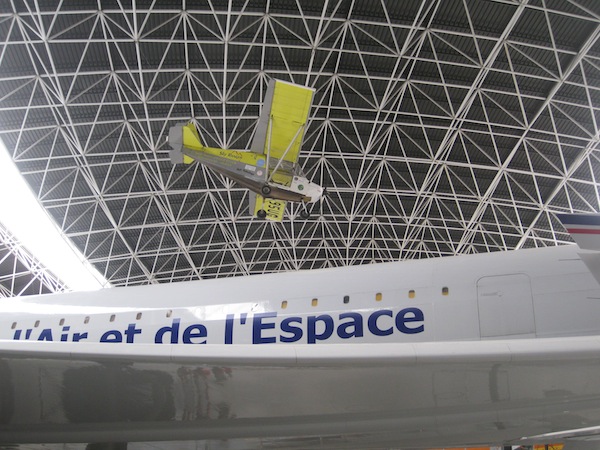
Thierry Barbier's microlight above the Concorde, it is moving.
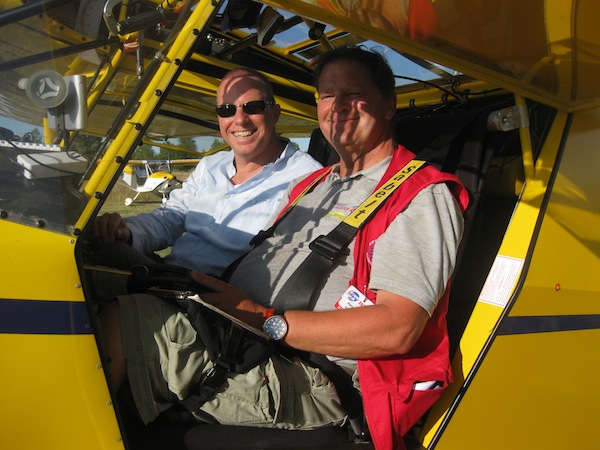
First microlight flight for Patrick Amar, the new director of the MALGH
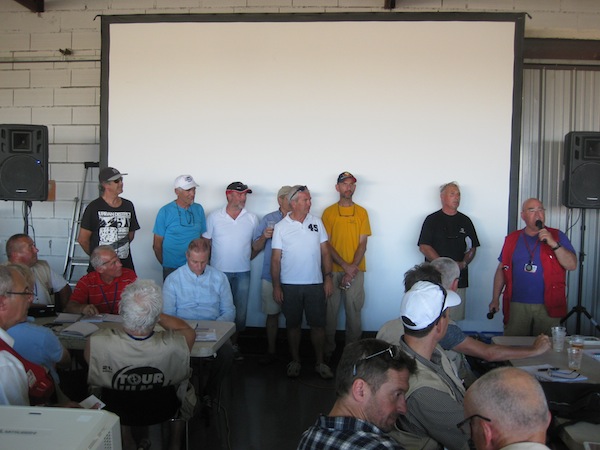
The super CALM club team who looked after the welcome
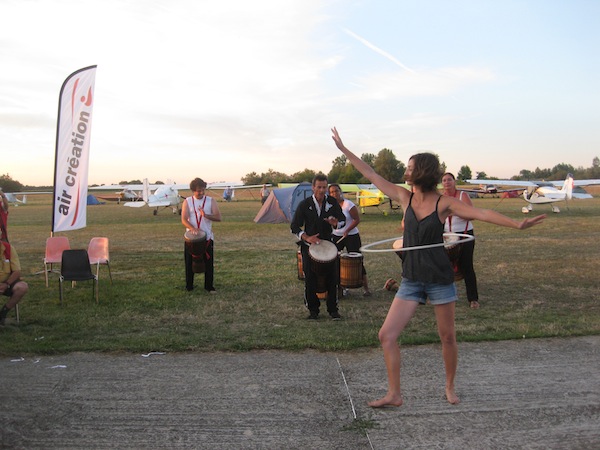
Swaying to the rhythm of the djembes, the evening is relaxed!










Long live the Tour ULM,
Hervé