






Safety Flash Info - High temperatures - 21 June 2022
Intense heat = DANGER for aviation: random, sudden, violent weather phenomena; degraded performance; crew fatigue...
We feel it is essential to remind everyone to take into account the performance of our aircraft and pilots during take-off, and the dangers of flying in high temperatures.
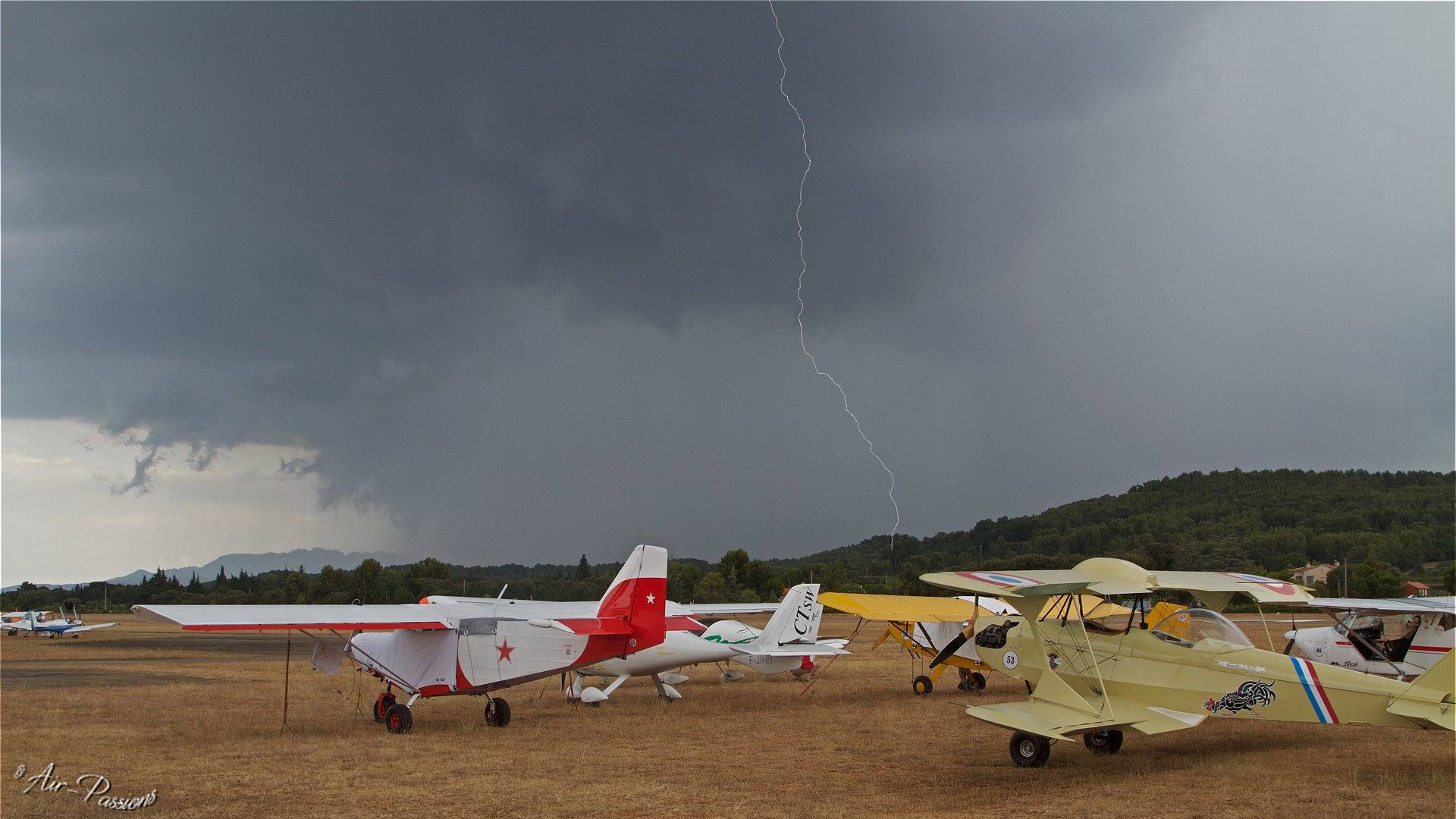
This weekend's unfortunate accidents oblige us to issue a reminder about the risks associated with flying in high temperatures. This very particular heatwave weather produces unusual and unexpected phenomena that few of us are prepared for.
High heat means powerful thermals, and your microlight's performance deteriorates:
- The weather phenomena present that day affect the pilot's perception and situational awareness,
- Local airflow is therefore markedly different from what you know in other seasons,
- Unmarked thermals can appear suddenly in unexpected places,
- The winds are sometimes strong or even violent and generate sudden and dangerous turbulence,
- Ground-roll and take-off distances increase very markedly,
- Rates of climb and aerodynamic characteristics fall sharply,
- Our microlight's performance is degraded and must be taken into account before take-off,
- In paramotoring, soft wings are particularly sensitive to intense turbulence, which can cause a collapse,
- The naturally aspirated engine also delivers less power to a propeller which will itself be less effective in these conditions,
- Landing is sometimes very hazardous at some of our strips, particularly in mountain regions.
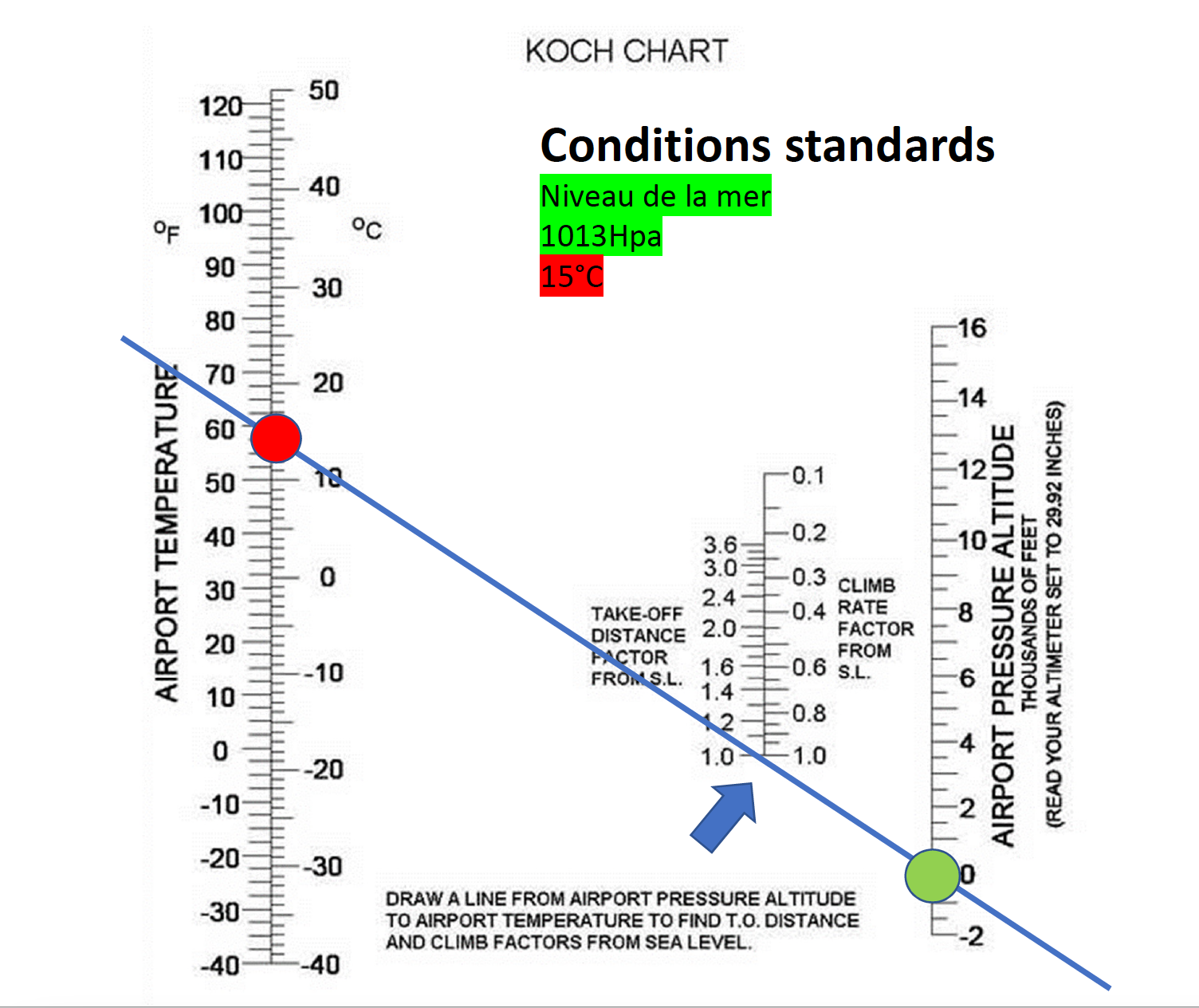
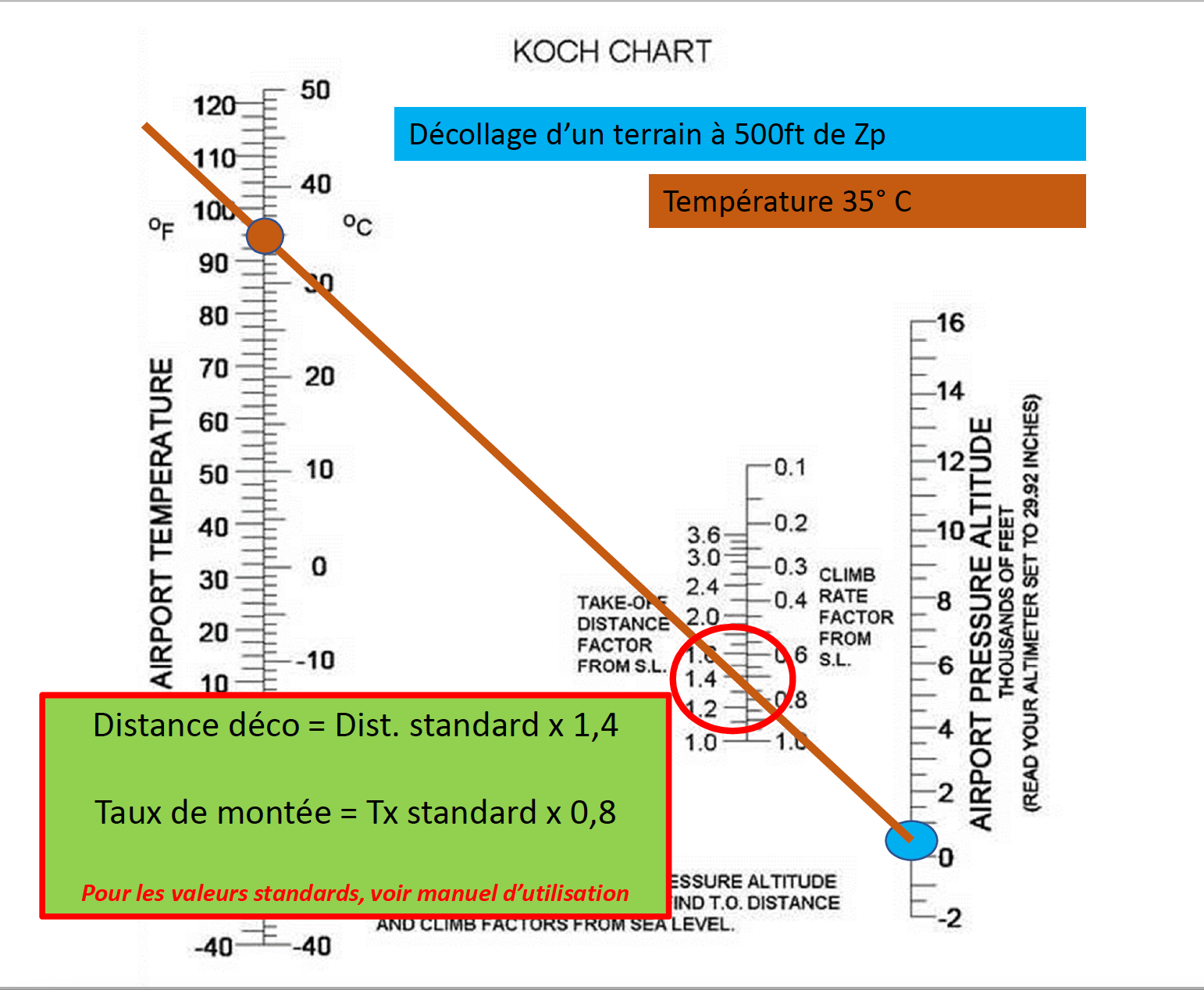
High temperature changes the density of the air and brings the effects of density altitude, so there is less lift just when the naturally aspirated engine is also delivering less power.
Take-off performance degrades significantly above 30°C, so you should know how to read and understand the Koch chart (above) to avoid any nasty surprises, because some take-offs are no longer possible in these conditions.
The best decision is to give up on taking off or to delay your flight until later in the day.
A few sensible precautions are also called for on the pilot's part:
- Prefer cotton clothing, which absorbs perspiration better, chosen loose-fitting and suited to the pilot's build,
- Do not neglect headwear (cap, bucket hat, etc.), preferably made of canvas, together with essential sunglasses,
- The pilot and passenger should start the flight well hydrated,
- Carry water (bottle, flask, hydration pack) so you can drink regularly and in small amounts,
- Avoid alcoholic drinks and overly rich food that could cause uncomfortable digestion,
- Do not underestimate the fatigue caused by this high temperature, which particularly affects the body and the pilot's abilities.
A careful analysis of the day's weather is essential:
- Take weather alerts into account (yellow, orange or red warnings),
- Careful reading of our atmospheric charts remains essential (TEMSI, WINTEM, EMAGRAM, PIOU-PIOU, WINDY…),
Every one of us is at risk, even those in good health. Sportspeople and people who live outdoors can also fall victim to dehydration.
The symptoms of heat stroke are:
- A fever above 40°C,
- Hot, red, dry skin,
- Headaches, nausea, drowsiness,
- Intense thirst,
- Convulsions, up to loss of consciousness,
- A marked drop in situational awareness,
- A deterioration in physiological performance.
Our piloting abilities decline in the same way as the aerodynamic performance of our aircraft, creating a major risk for the pilot and passenger.
As a general rule, if you can, avoid flying in very hot weather and prefer morning and evening flights. Look after yourself and your microlight, and your enjoyment of flying will only be better for it!
Do not hesitate to contact your instructors and your flight safety officers.
Enjoy the read.
Useful links
Additional information: High temperatures, density altitude… the witch









