






Editorial - BSV no.53
 Getting our hands dirty
What a lot of fine flights in recent weeks! After a disastrous spring, the weather has decided to give us an extra month of ideal conditions for our favourite pastime.
From an accident-record point of view, there was a peak of fatal and serious accidents at the start of the summer, the causes of which are still to be found in pilots’ lack of recent experience, an aspect of our activity that they too often neglect.
I will say it again and again: your level of flight safety depends closely on your level of training, which is why the Federation has set up the REV scheme. A review will be made at the end of the year, but I can already say that too few pilots wanted to benefit from it... I do not hesitate to say that we could certainly have saved a few lives if take-up of REV had been more widespread from the start of the season.
Likewise, we need to be aware of a few peculiarities of microlight flying: this activity is neither seasonal nor part-time.
So, whether or not we are flying, whether the weather is fine or not, whether we are very busy or not, we must always bear in mind that to enjoy our next flight safely there is always something to do: keeping up our knowledge by going back to our flying manual and looking at the latest regulatory changes; keeping up our skills by taking part in REV and flight safety meetings; and checking the mechanical condition of our steed by using the autumn and winter days for a complete check-up.
Indeed, we operate in three dimensions, and our microlight is subjected to stresses and forces far beyond those applied to our car, for example.
This singularity must be fully taken on board so that regular, in-depth and uncompromising upkeep of our machine becomes second nature.
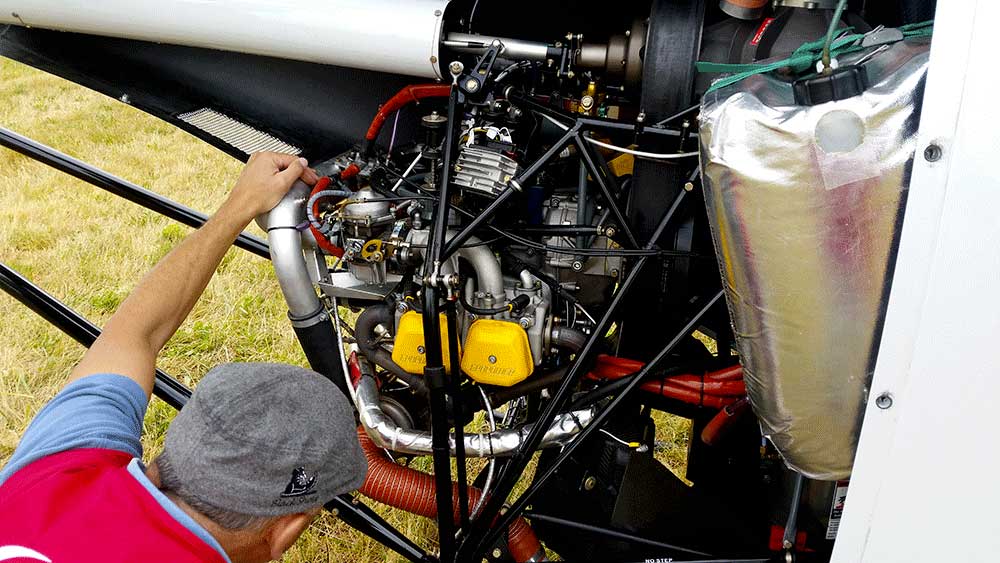
So let us use the coming weeks to open the cowlings and inspection hatches, clean the carburettors, and check the wings, attachments, silent-blocks, magnetos, and so on.
Let us get our hands dirty!!!
As a complement to this editorial, I would like to make a special mention of Bernard Boudou, our analyst, who is obliged, for personal reasons, to stop writing his excellent articles. On your behalf, I would like to thank him for his contribution to improving flight safety. Thank you Bernard.
Laurent Kerbrat, a former aeroplane and helicopter pilot, military and civil, who held the post of Flight Safety Officer during his career and is one of the Flight Safety Officers for the Normandy region, takes over from Bernard to ensure the continuity of this section, which is essential to understanding and preventing accidents.
Laurent, welcome to the Flight Safety Committee team!!!
Happy flying to you all,
Eric Galvagno
Head of the Flight Safety Committee
The Analyst's analysis
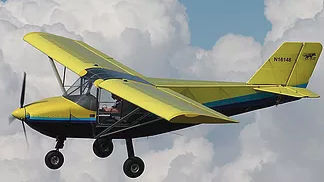 In September 2018, the BEA published the investigation report on the accident involving the RANS S-6ES “Coyote II” three-axis microlight registered 974GQ, which occurred on 30 March 2015 at Tan Rouge on Reunion Island.
Training Corner
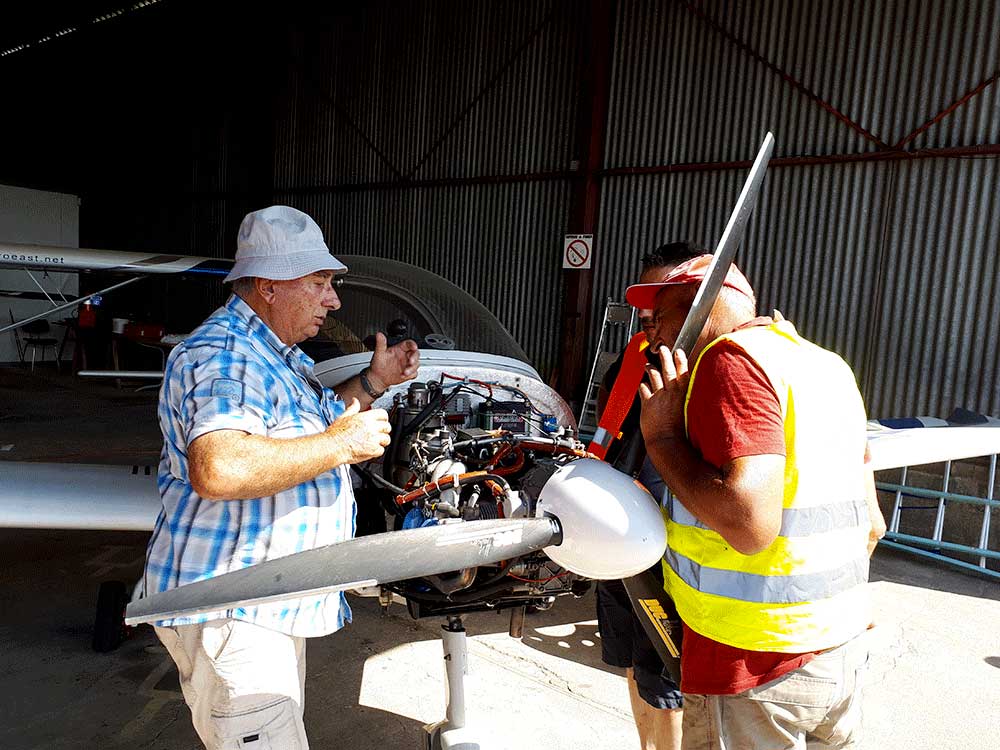
We are regularly asked whether or not you need to "turn the engine over" to check the oil level. As the Rotax operating manual specifies that this must be done, we asked the CNFTE, in the person of Master Rotax: Peyo and his partner Thomas.
Safety in Figures
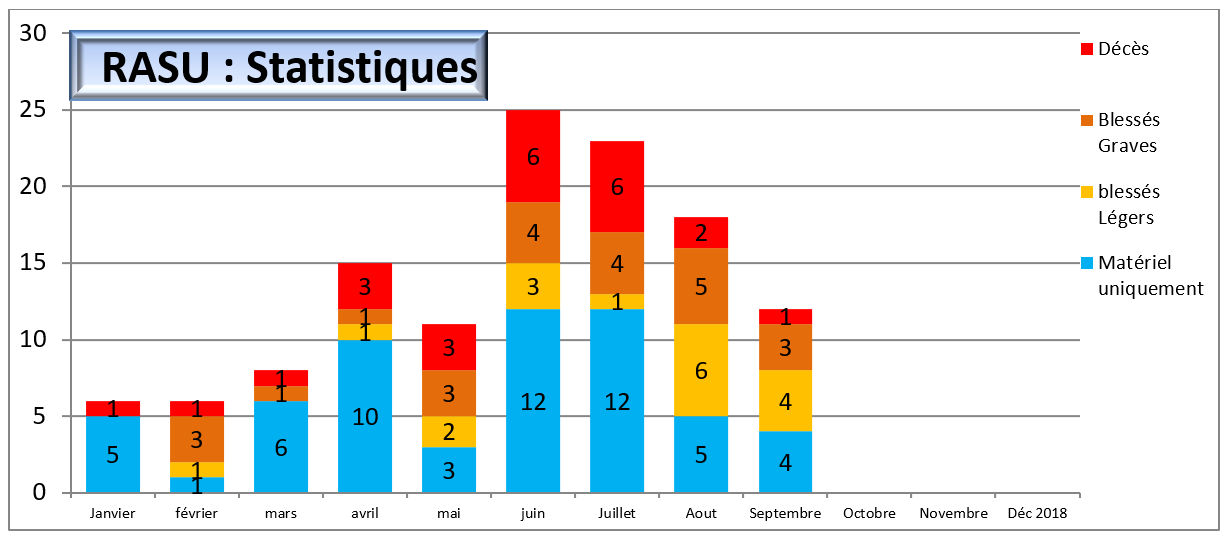 The table below summarises the accident statistics recorded from 1 January to 30 September 2018, ranking casualties by severity and distinguishing purely material-damage accidents. The second table shows accidents involving microlights registered in France that took place abroad with foreign crews.
What about doing a REV? > video guide
A question about the REV programme? > see our dedicated FAQ









