






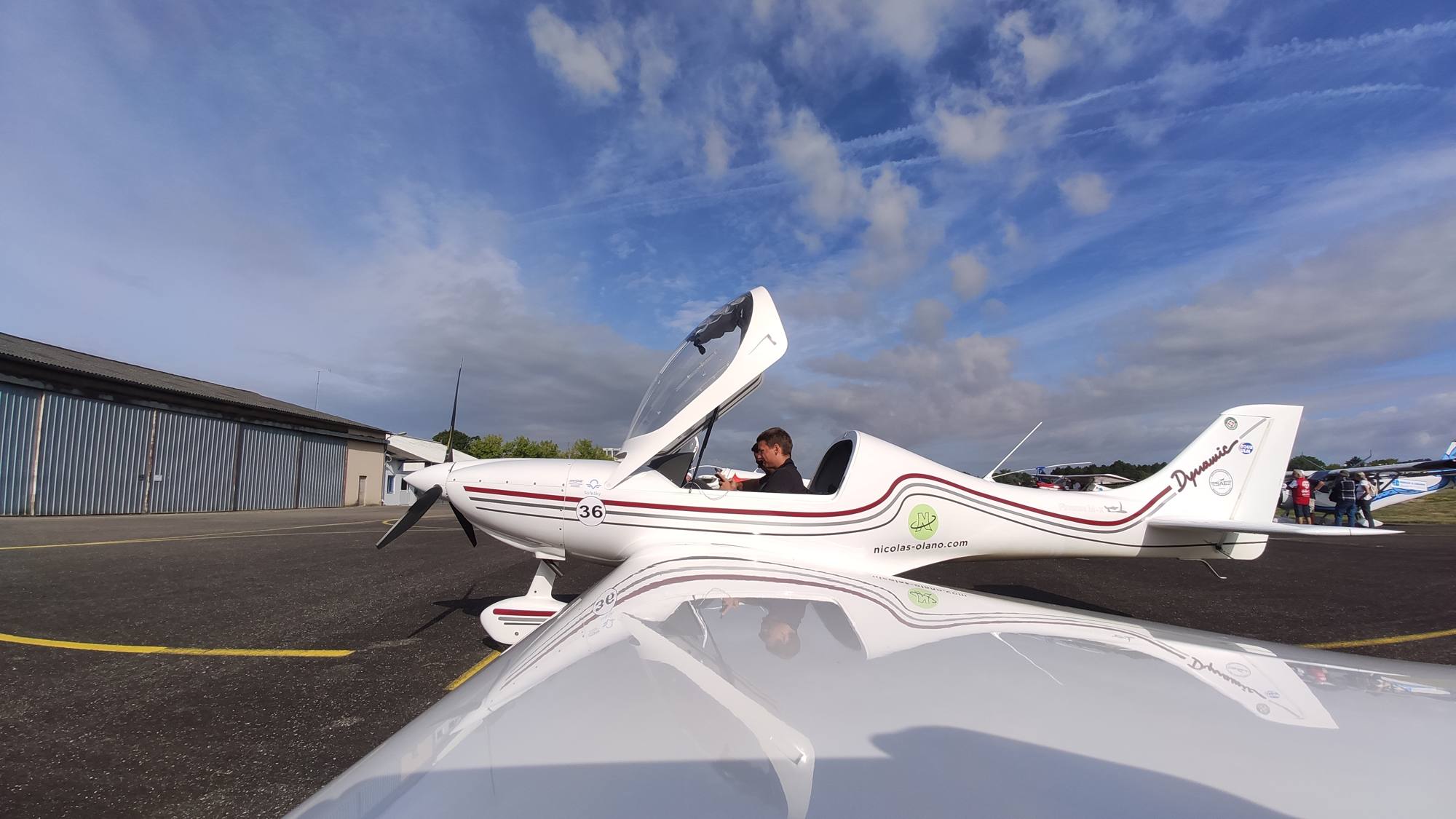
The wind, our best enemy

(by Éric GALVAGNO, Chairman of the FFPLUM Flight Safety Committee)
As we have already pointed out, the common denominator of the majority of incidents or accidents that have occurred since the start of the year is loss of control in flight or on the ground.
While a simplistic analysis would attribute these losses of control to piloting errors, we all know that an accident is never the result of a single cause, but of a chain of unfavourable events.
So, if we push the investigations a little further, we find that in many fatal accidents the influence of the wind was a preponderant and decisive factor in the chain of causes.
The microlight classes most exposed to the whims of the wind are three-axis, weight-shift and paramotors. Rotary-wing aircraft, said to be less prone to this phenomenon, are nonetheless sensitive, and here too the wind, its direction, strength, gusts and possible turbulence should lead pilots to take time to reflect on the potential dangers of this phenomenon for the flight, from taking the microlight out of the hangar until its return.









