






Information note - Flight safety
Part one
Here we go, sun, warmth, and the holidays will soon be here.
All this makes us want to take to the air and enjoy the beautiful landscapes of our country and, for some, to visit neighbouring countries. We are certain to enter a space where we are only guests, the masters of the place being the birds and, in particular, the large birds of prey. We are in their home as guests, so let us respect this environment; it is for us to adapt.
It all begins with flight preparation: the pilot must find out in particular about areas occupied by large birds of prey. Microlight clubs, flying clubs and paragliding clubs can give you valuable advice on areas to avoid or precautions to take when flying over mountainous regions.
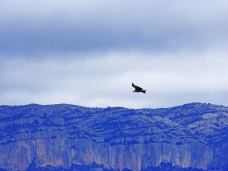 Today the territories of these large birds are growing year by year: the Pyrenees, the southern Alps and Prealps, Vercors, Écrins, Haute-Savoie, Drôme, the Provençal Baronnies, the Gorges du Verdon and the Massif Central, particularly the Grands Causses region. These masters of soaring generally work the rising currents of warm air in groups, the very ones we ourselves would be tempted to seek out to gain height for free and to cross passes while saving energy on the sunny or windward side.
Keeping a careful lookout is essential in these environments. Do not try to approach any colonies you may spot, but keep away from them; avoidance should always be made by climbing, because the bird will always try to descend. Keep a lateral and vertical distance of 500 metres from the birds and all will be well.
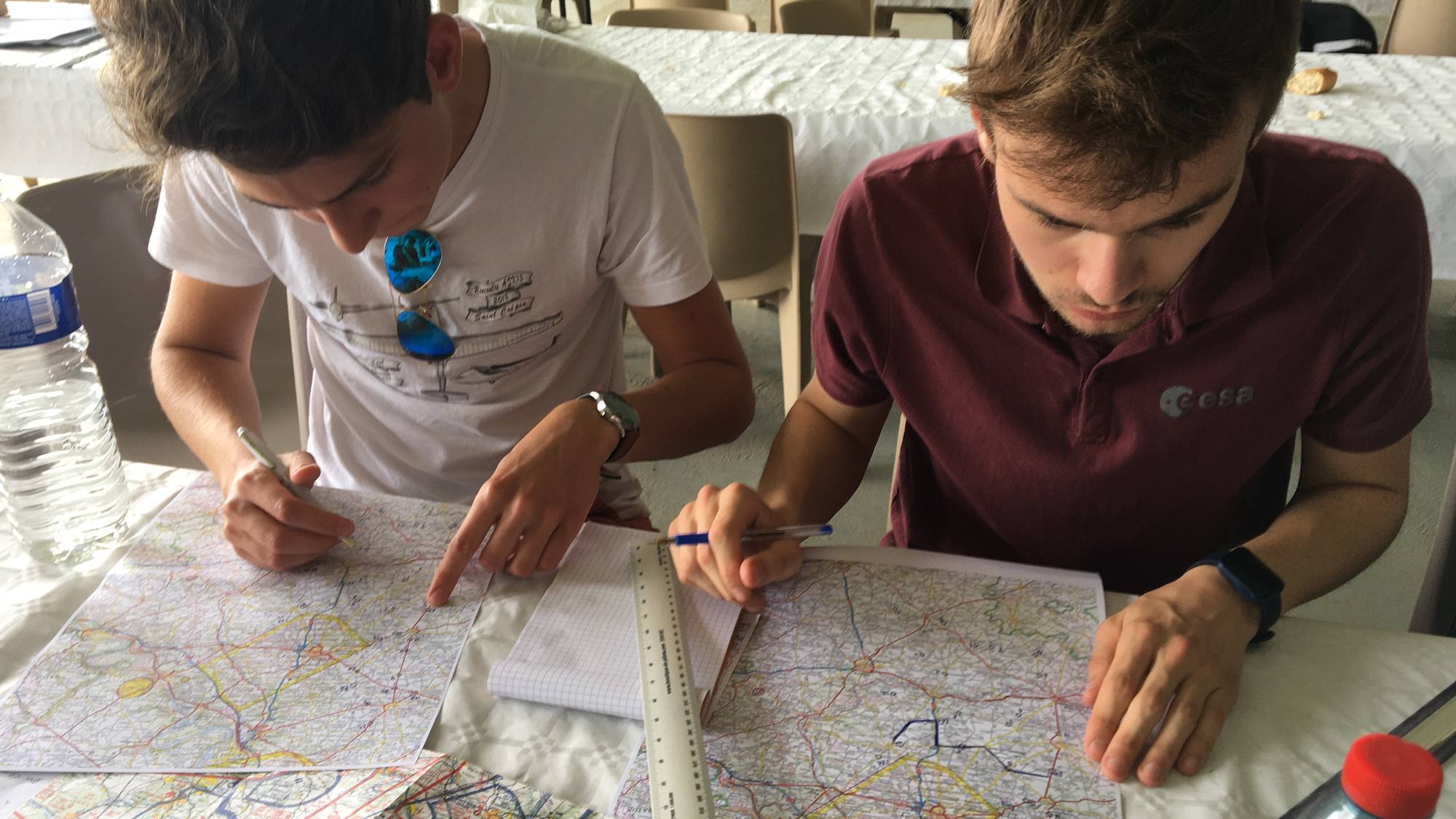
The participants of the 2017 microlight tour remember this when crossing the Pyrenees towards JACA. An adult griffon vulture weighs between 8 and 12 kilos with a wingspan of 2.80 metres, and often lives in colonies of several dozen individuals; 1 800 pairs are recorded in France, half of them in the Pyrenees alone. That is plenty of kinetic energy in the event of a collision in flight.
In summer, the young of the year take to the air. The period between November and September is one of heightened vigilance: breeding, courtship displays, nest defence, feeding the young. They are at home, we are inviting ourselves into their playground, so let us respect them, be vigilant and attentive, and all will be well.
An information note is available on the website: www.stac.aviation-civile.gouv.fr
Part two
For 20 years, accident statistics have never been so good. Is this the result of chance? Certainly not.
Individual awareness, the work done by the flight safety officers (CSV), the Flight Safety – Training committee, and the involvement of the Board of Directors and of club presidents have a lot to do with it.
Let us nevertheless remain cautious, because in this field nothing is ever won for good: maintaining a satisfactory level requires constant self-questioning and attention at every moment.
Safe flying.
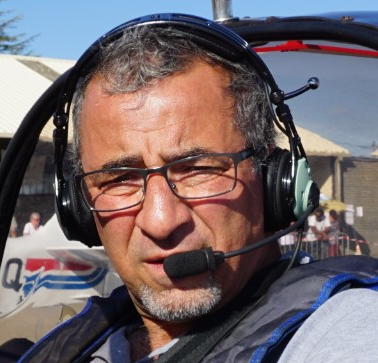 Jean Christophe Gibert









