History: the essentials of microlighting
Powered ultralight flying began with weight-shift microlights, which gave rise to innovative regulation and were only outnumbered by three-axis microlights a decade later.
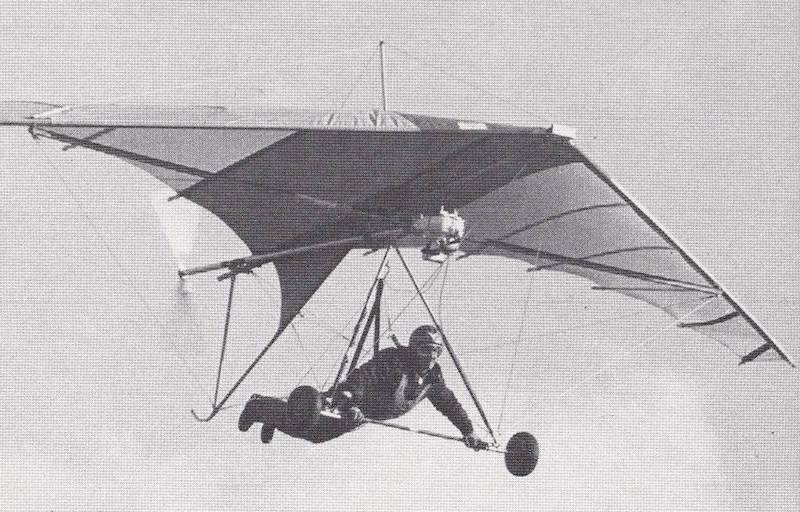
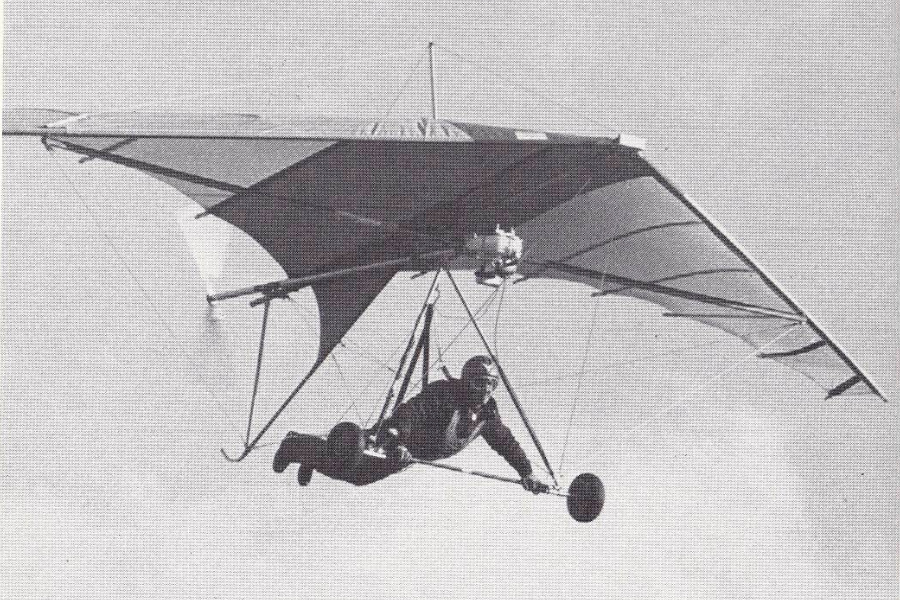
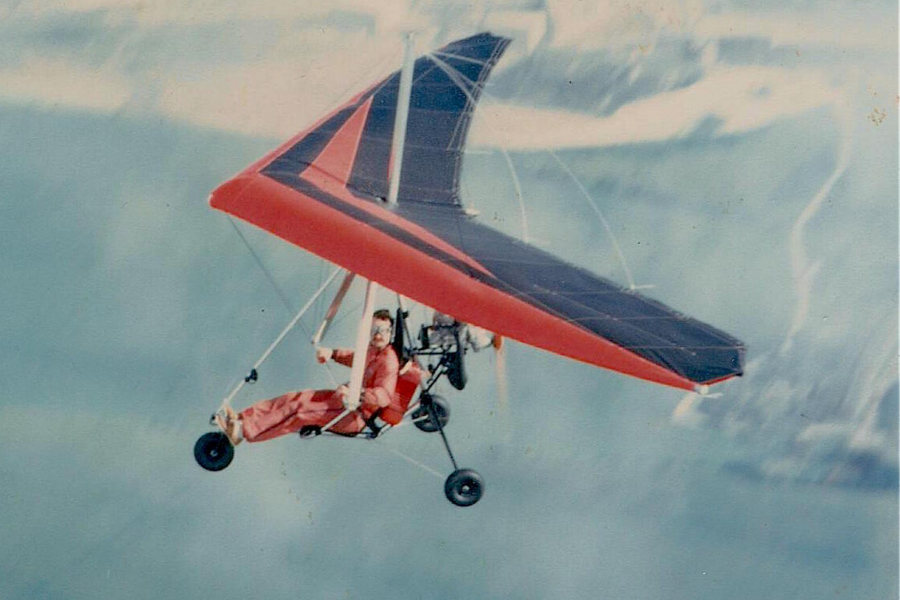
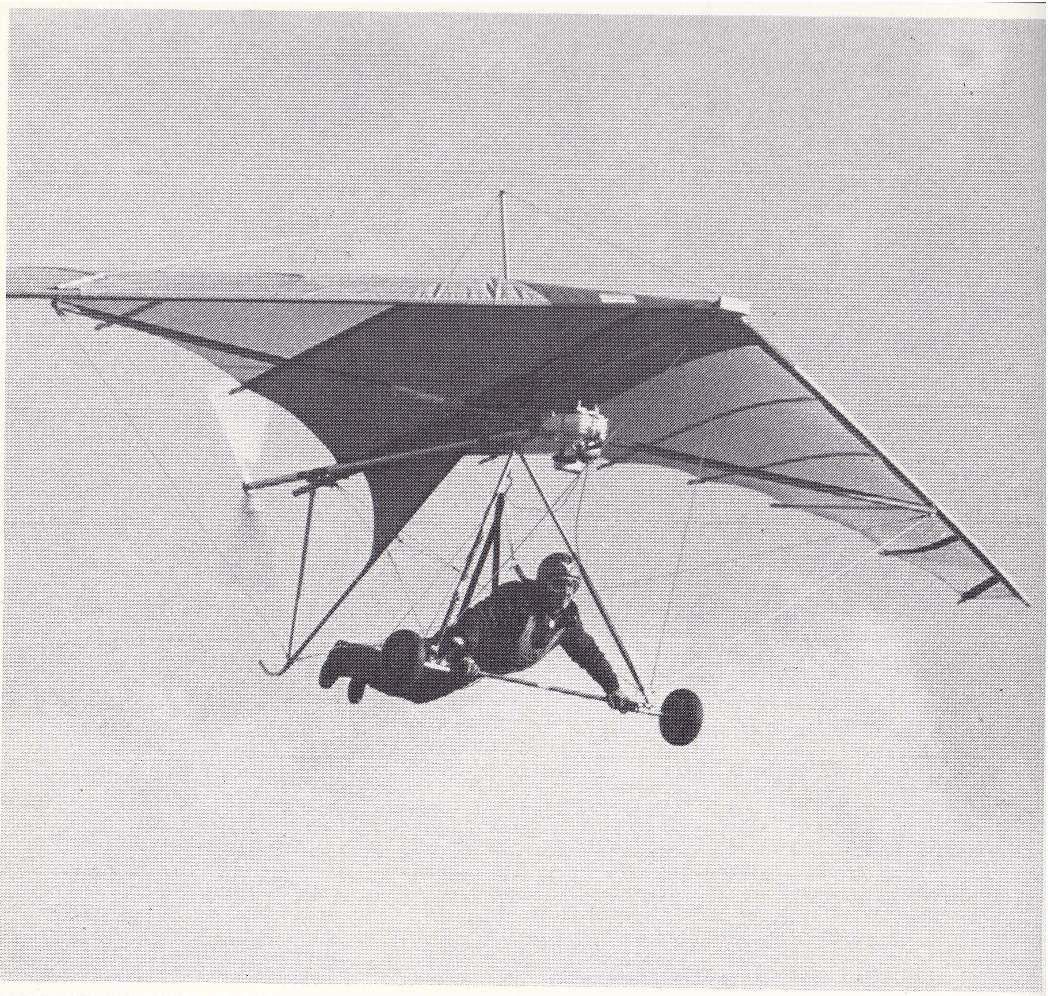 From makeshift engine installations on hang gliders, including the Mac Culloch from 1974 and the Soarmaster in 1978, there sprang the brilliant weight-shift solution and the success of the Mosquito trikes (see ULM-Info No. 110).
The first official recognition of the "Ultra Léger Motorisé" (microlight) can be dated to 26 June 1980, through a letter from the French civil aviation authority prompted by the cheerful antics of Gérald Lancien and Jean-Marc Peuffier's weight-shift microlights at a media event. The sanction, limited to a warning from the DGAC representative, bode well for the regulatory future of what were then improbable machines. For their users, the Authority soon accepted the theoretical glider pilot certificate, pending a specific microlight certificate.
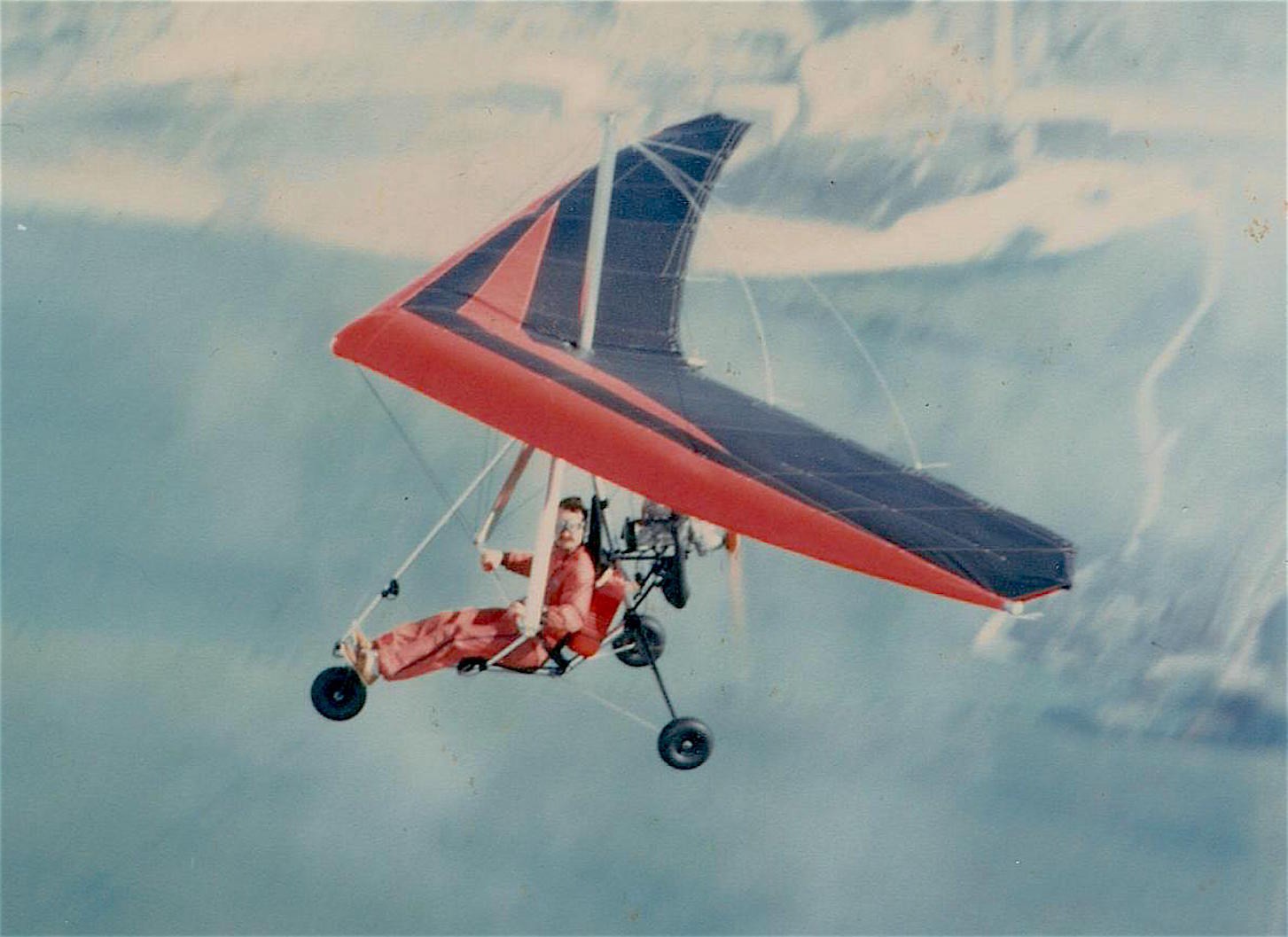 In November 1980, the "Club des Hommes Volants" of Blois organised the first winch-launched hang-glider meeting. Besides the crews who had come to compare their methods, stealing the limelight from them were the first microlights brought by Bernard Danis and Roland Magallon. The event did not get much media coverage, but the bug spread: new air-loving sportsmen, communicators and media kept an eye on the two free-flight troublemakers, convinced of its bright powered future. People would talk more and more about microlights.
For the first microlight pilots, getting organised became urgent. On the initiative of Vol Libre magazine, backed by its helmsman René Coulon, a decidedly turbulent meeting took place, which nevertheless led to the creation of FFPLUM on 4 February 1981, with Alain Dreyer as president. It remained to establish regulations acceptable to microlight pilots and the DGAC alike… Fortunately the era was favourable to utopias.
 Across the Channel, microlights enjoyed no particular leniency, and the new spluttering flying machine did not escape certification... Admittedly delegated to an association (the British Microlight Aircraft Association) and more tolerant than that for light aircraft, but genuine certification all the same. Single-seaters of under 70 kg were the only machines exempted until the end of 1986. This tolerance led to the development of the sub-seventies category, including several innovative weight-shift microlights, in particular the Chaser designed by Ian Grayland.
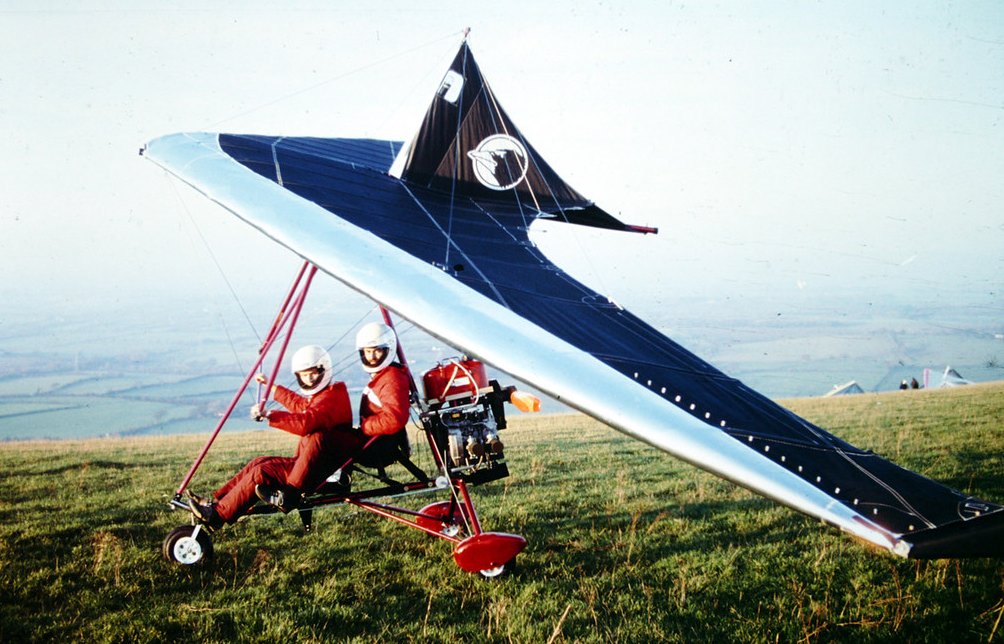
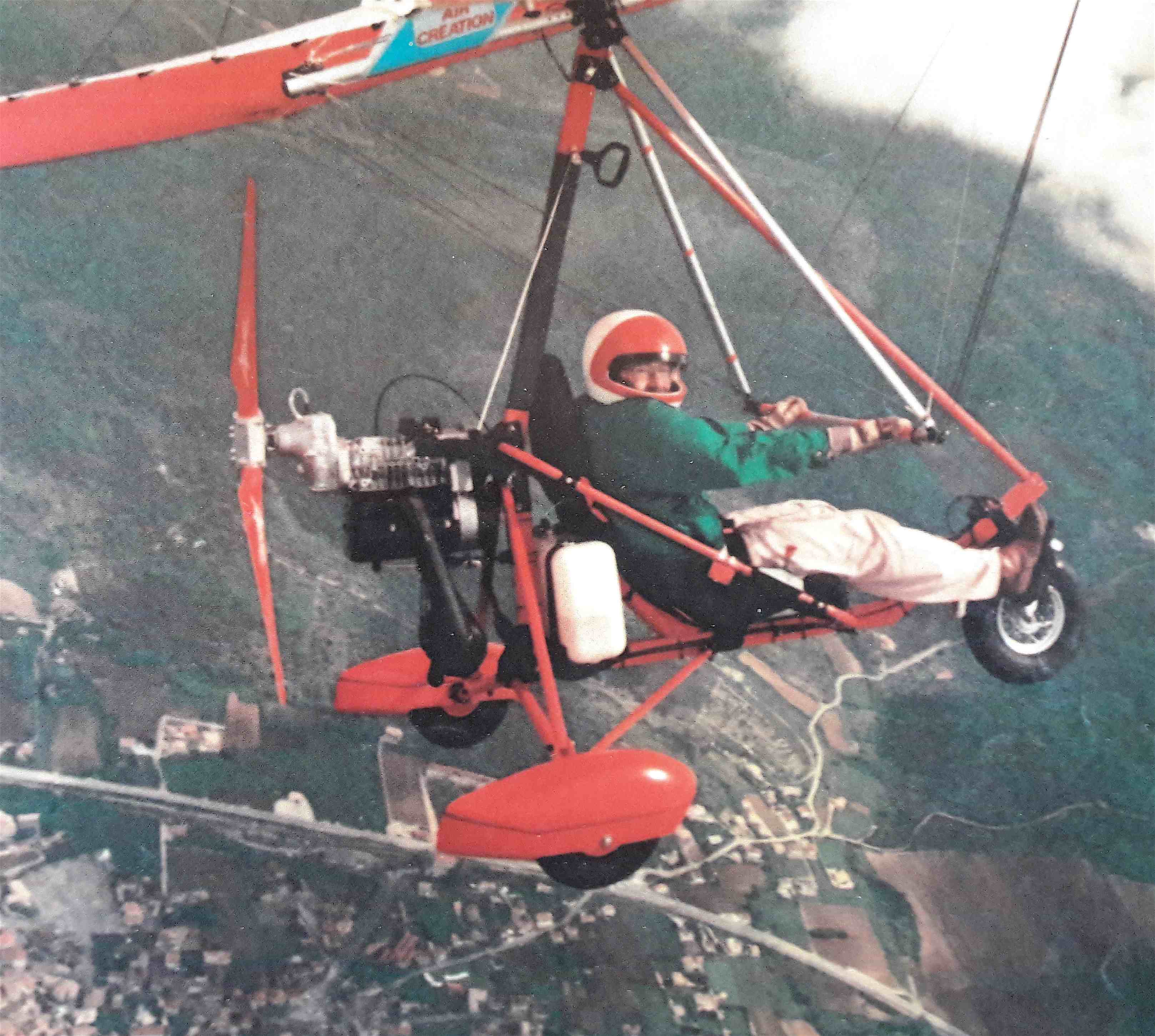
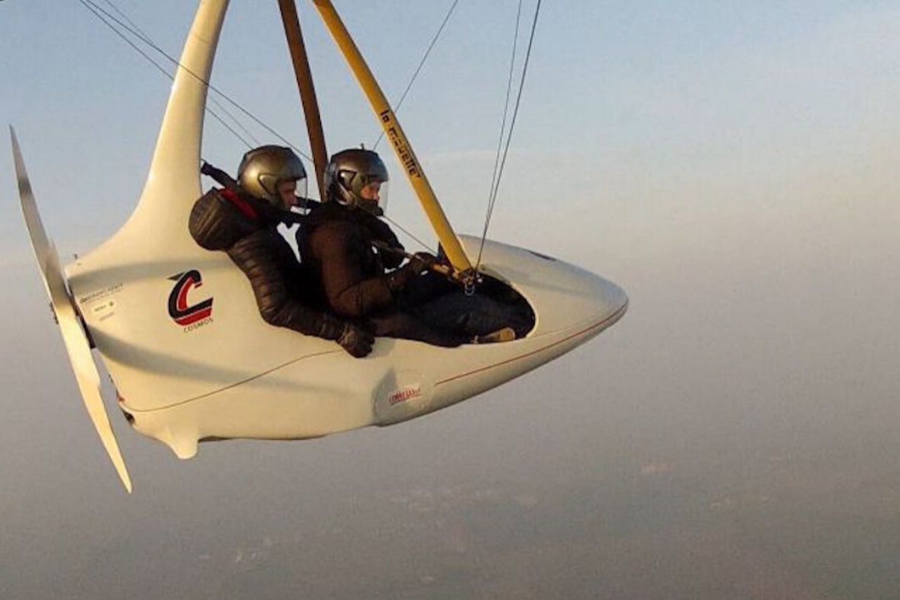
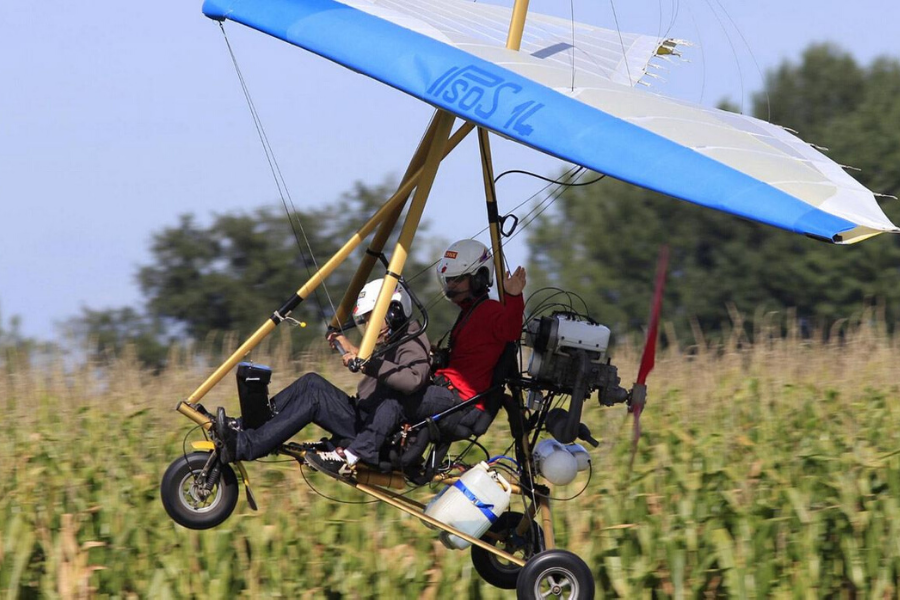
In France, Véliplane's first "mass-produced" Mosquitos were soon challenged by those made by Danis, Air Création, Cosmos, La Mouette and a number of other more or less amateur builders.
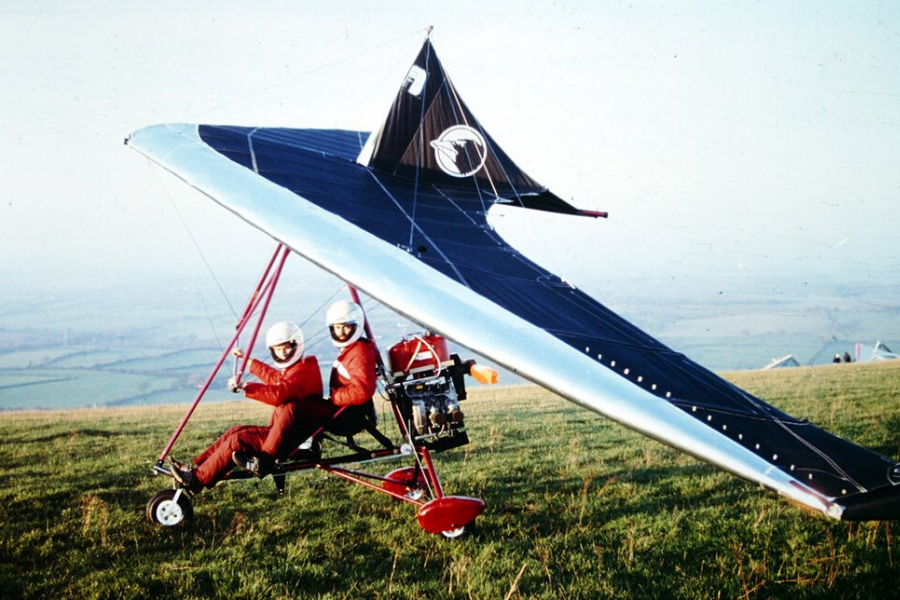
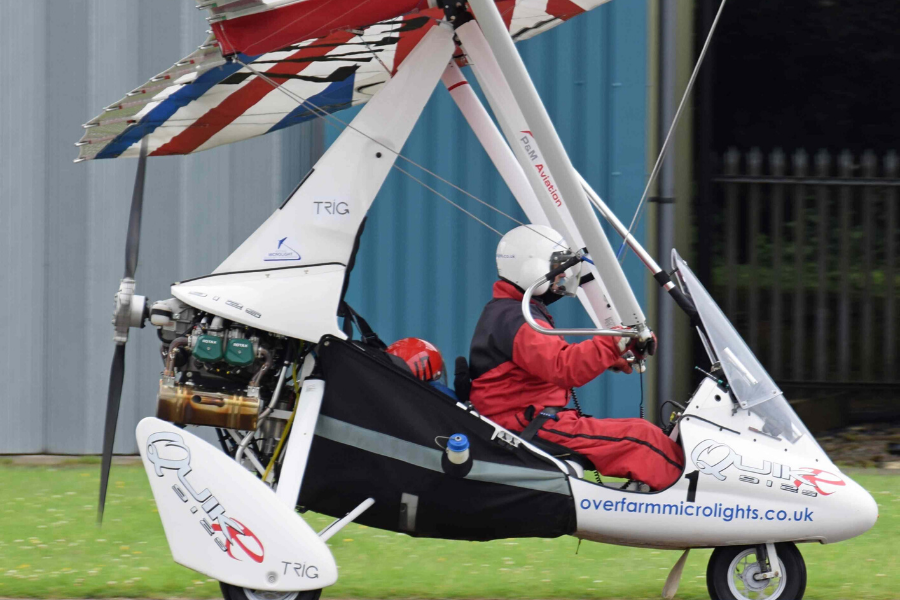 perverse trend towards excessive power, the two-seater, which began with two spluttering 12 hp engines, can today commonly handle 100 hp. In 2004, however, the 80 hp of the Rotax 912 was enough for the Pegasus Quick to reach 160 km/h, and this barrier still holds for production machines.
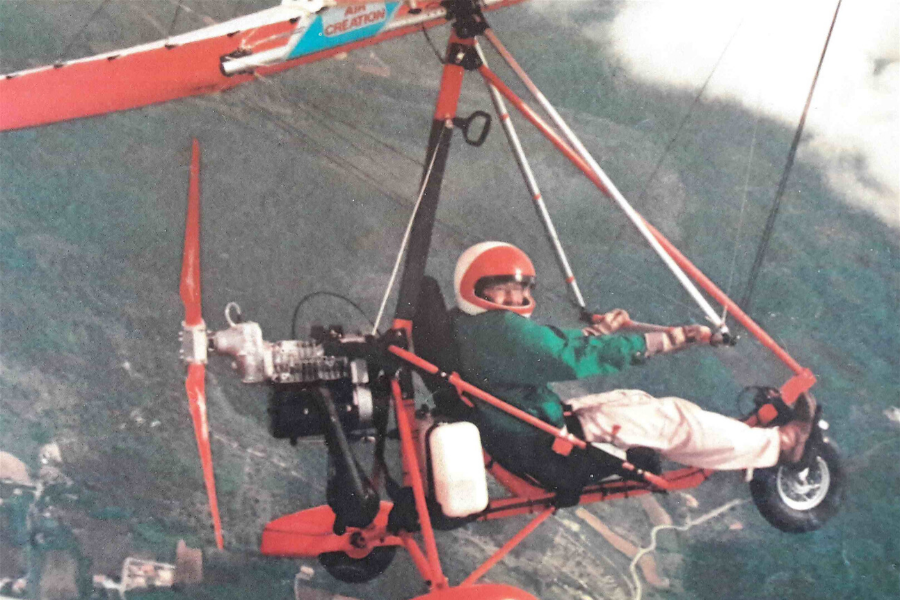
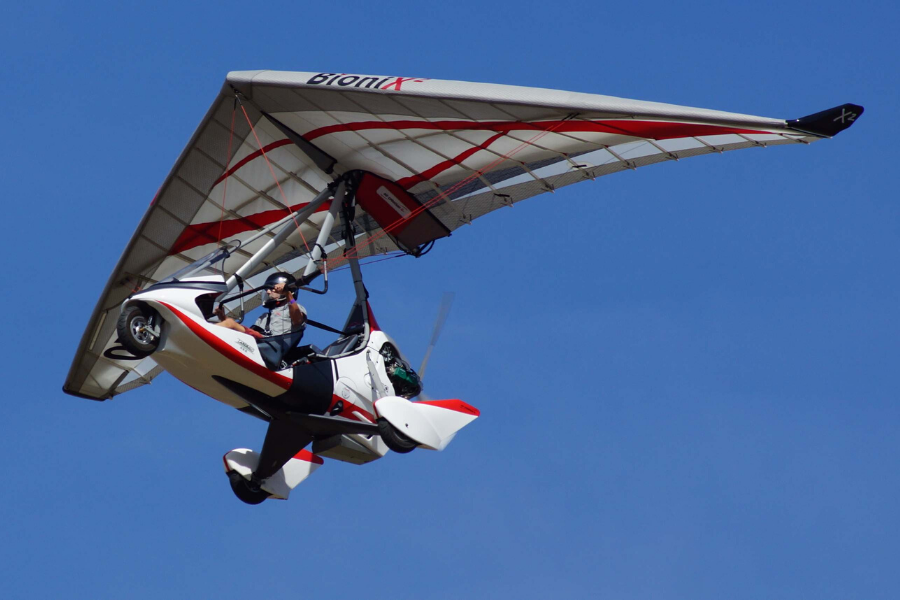
 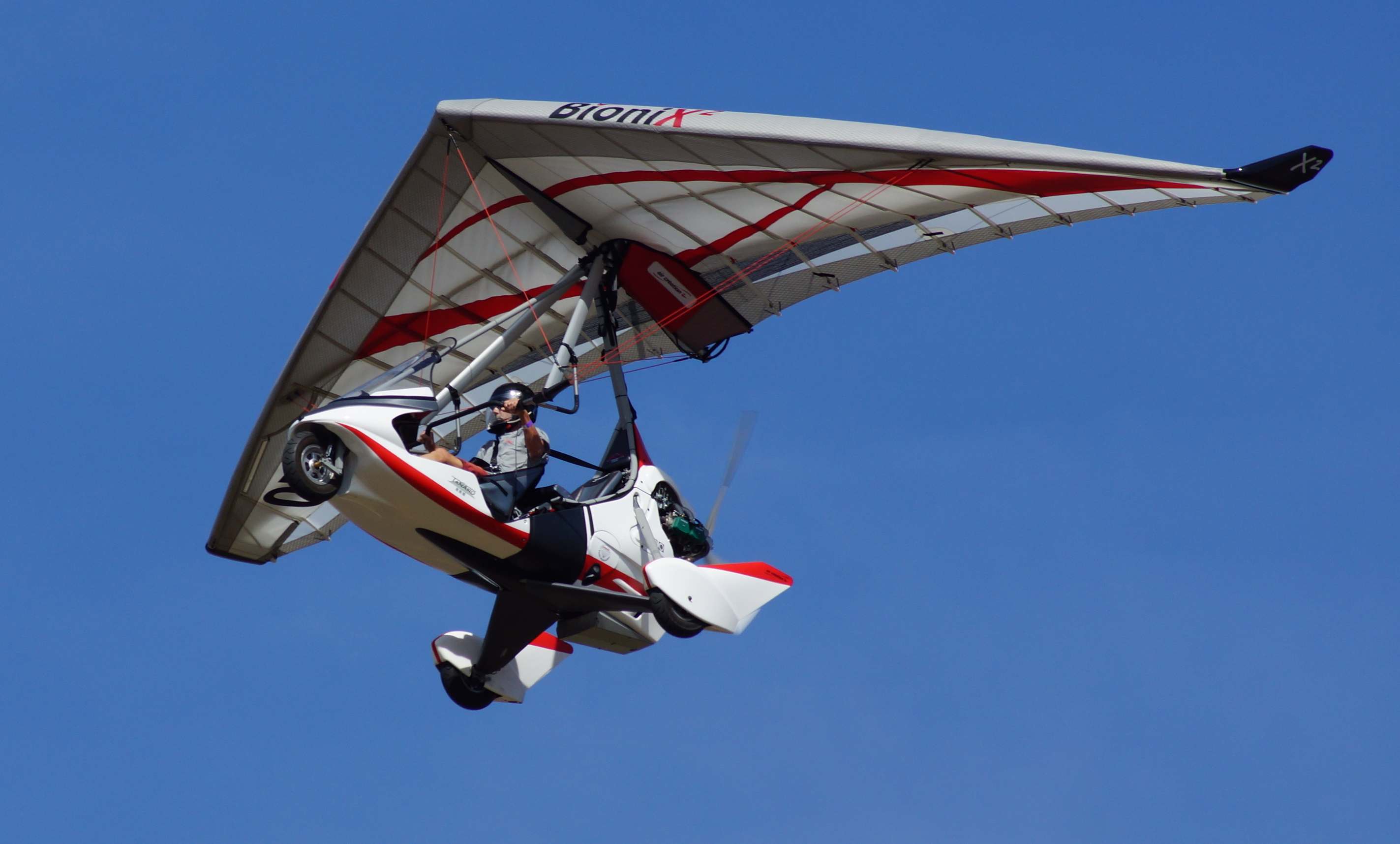 With the release of the Tanarg at the end of 2004, Air Création is shaking up established rules. Using novel solutions, the Ardèche manufacturer's new flagship caters as well to crews wanting more comfort as to long-distance travellers who had until then been well served by the rugged and efficient trikes of its Drôme competitor DTA. In particular, Air Création has abandoned the usual bent keel made of large-section tubing in favour of an open truss frame that better accommodates the crew and all the equipment, and has made the Rotax 912 its "standard" engine.
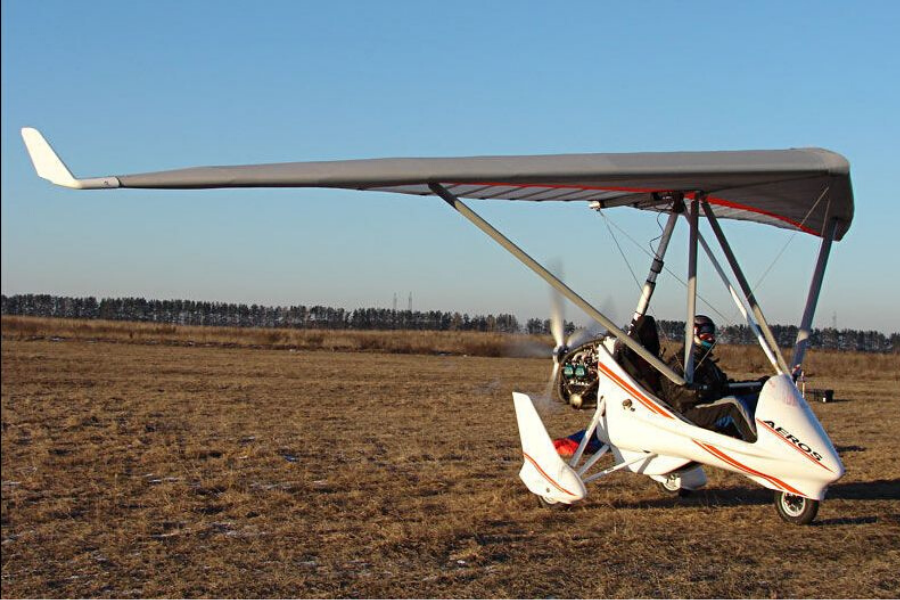
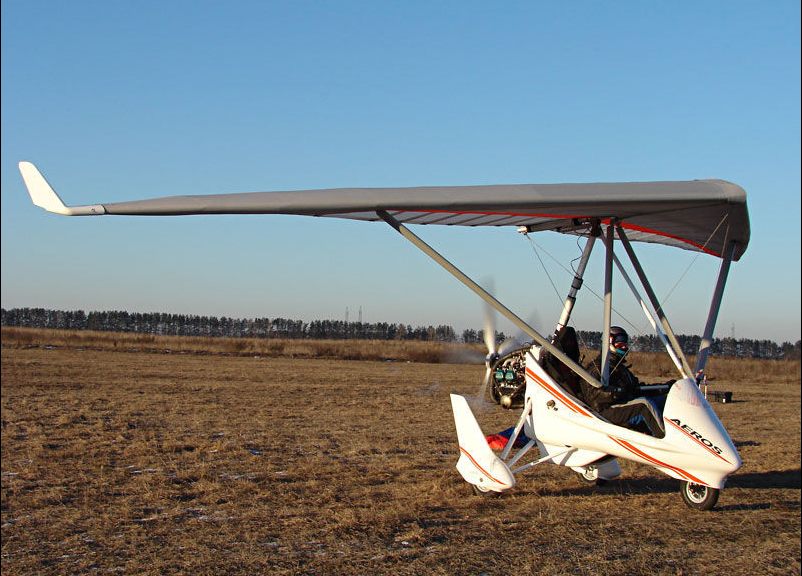 In 2007, the Aeros Profil TL was the first two-seater to have a wing without a vertical king post and its associated cabling. Against the advantages of the classic architecture, this development is still slow to spread. While, with the exception of Quicksilver, no three-axis microlight company from the early days has survived, Air Création and Aeros remain major leaders (P&M Aviation, which brought together Pegasus and Mainair, had also held on at a high level until last May) and La Mouette continues to progress. No doubt because the science of delta wings is infinitely less widespread than that of aeroplane wings: across the world there are still very few experts capable of designing or improving a weight-shift wing.
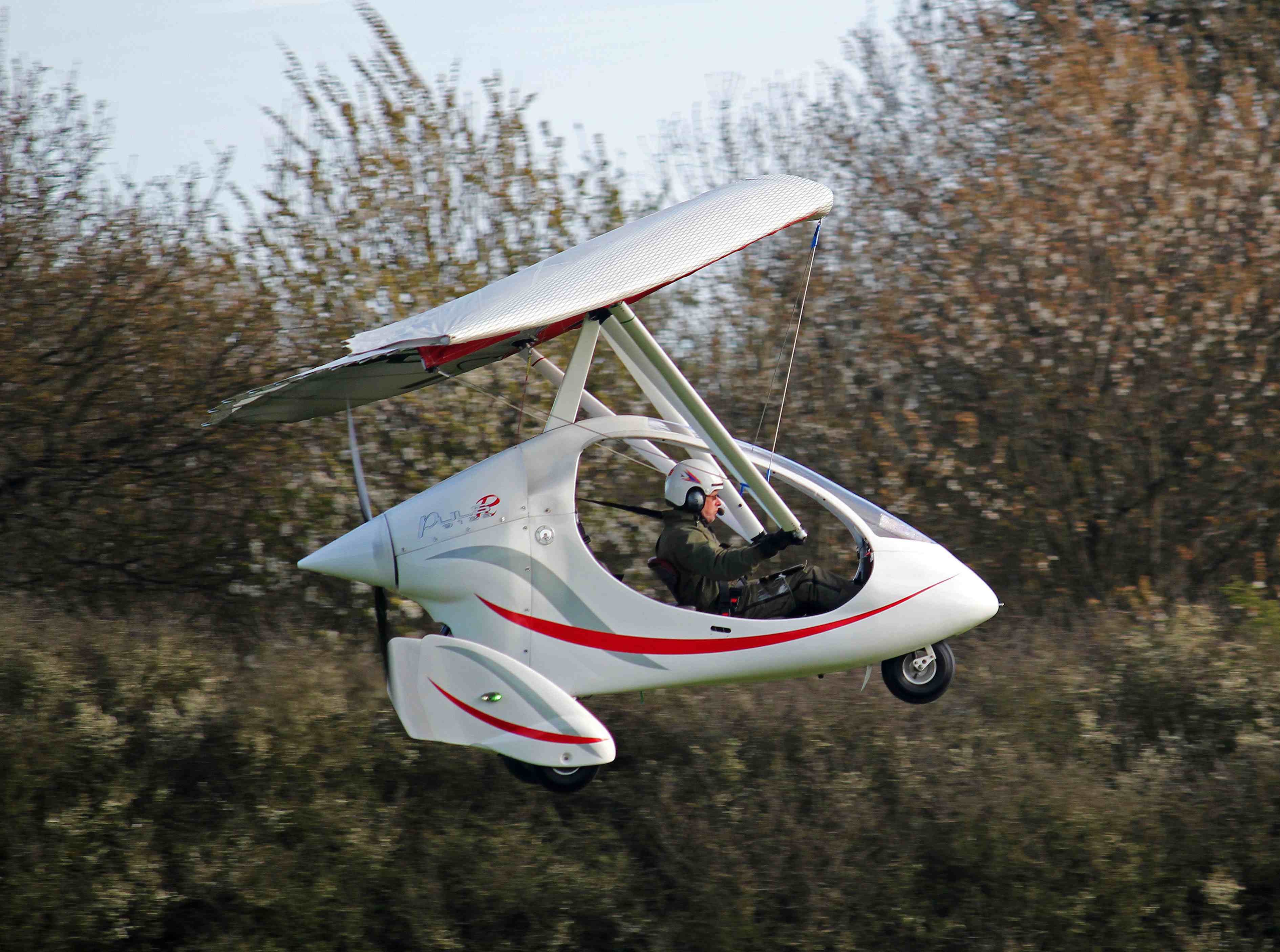 On the navigation side, the weight-shift microlight had begun to challenge the ultralight aeroplane as early as 1985, with Richard Meredith-Hardy's journey from London to Cape Town. In 1991, Guy Delage crossed the Atlantic non-stop from Cape Verde to Brazil. Brian Milton completed the first round-the-world flight in 1998. The "South to South" raid (Buenos Aires/Reykjavik/Cape Town) was flown over 44.000 km by Olivier Aubert and Mike Blyth in 1999. And Richard Meredith-Hardy was back in the spotlight in 2004 with an overflight of Everest. Numerous records in weight-shift and other ultralight aircraft are listed on the website of the British Microlight Aircraft Association:
www.flymicro.com/records/index.cfm?record=remarkable_feats
Gabriel GAVARD
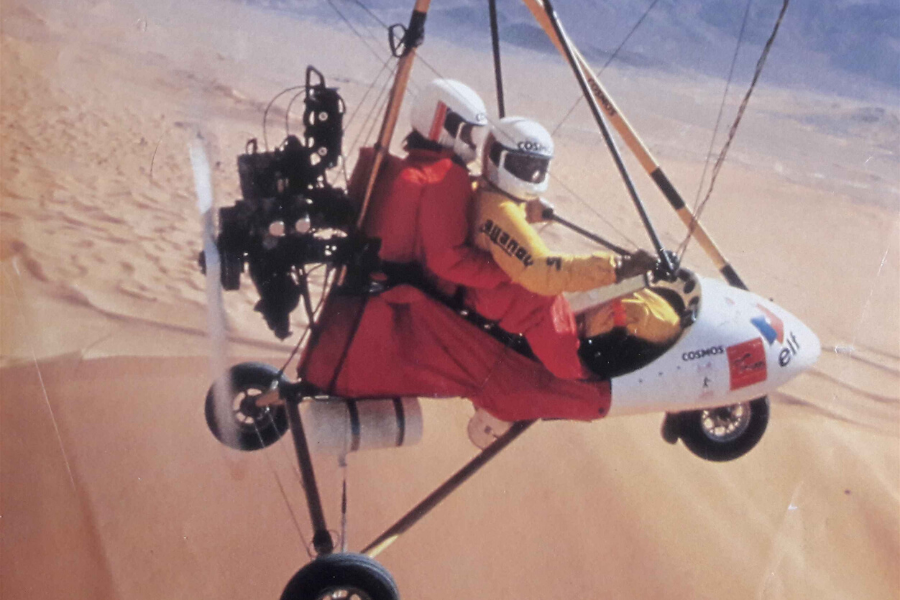
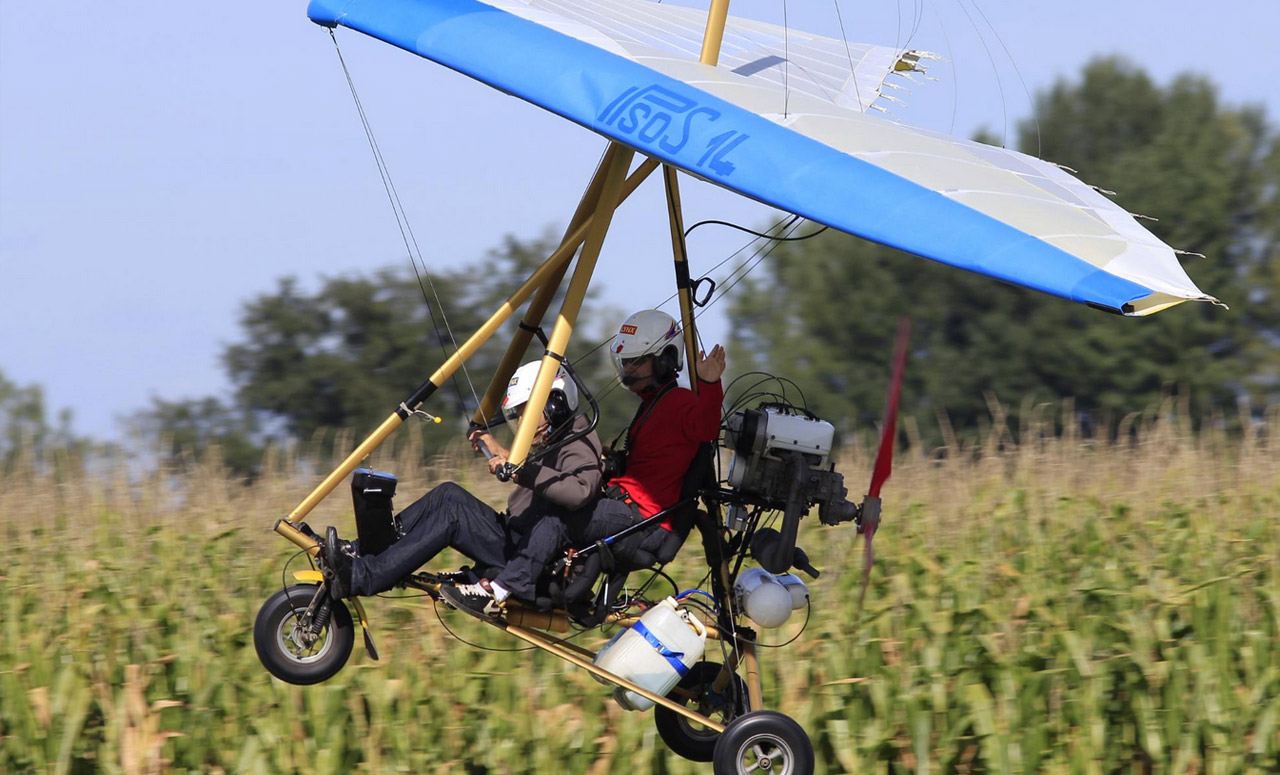
© Renaud Guy - In 1989, weight-shift microlights regularly take part in African rallies.
Gabriel Gavard