






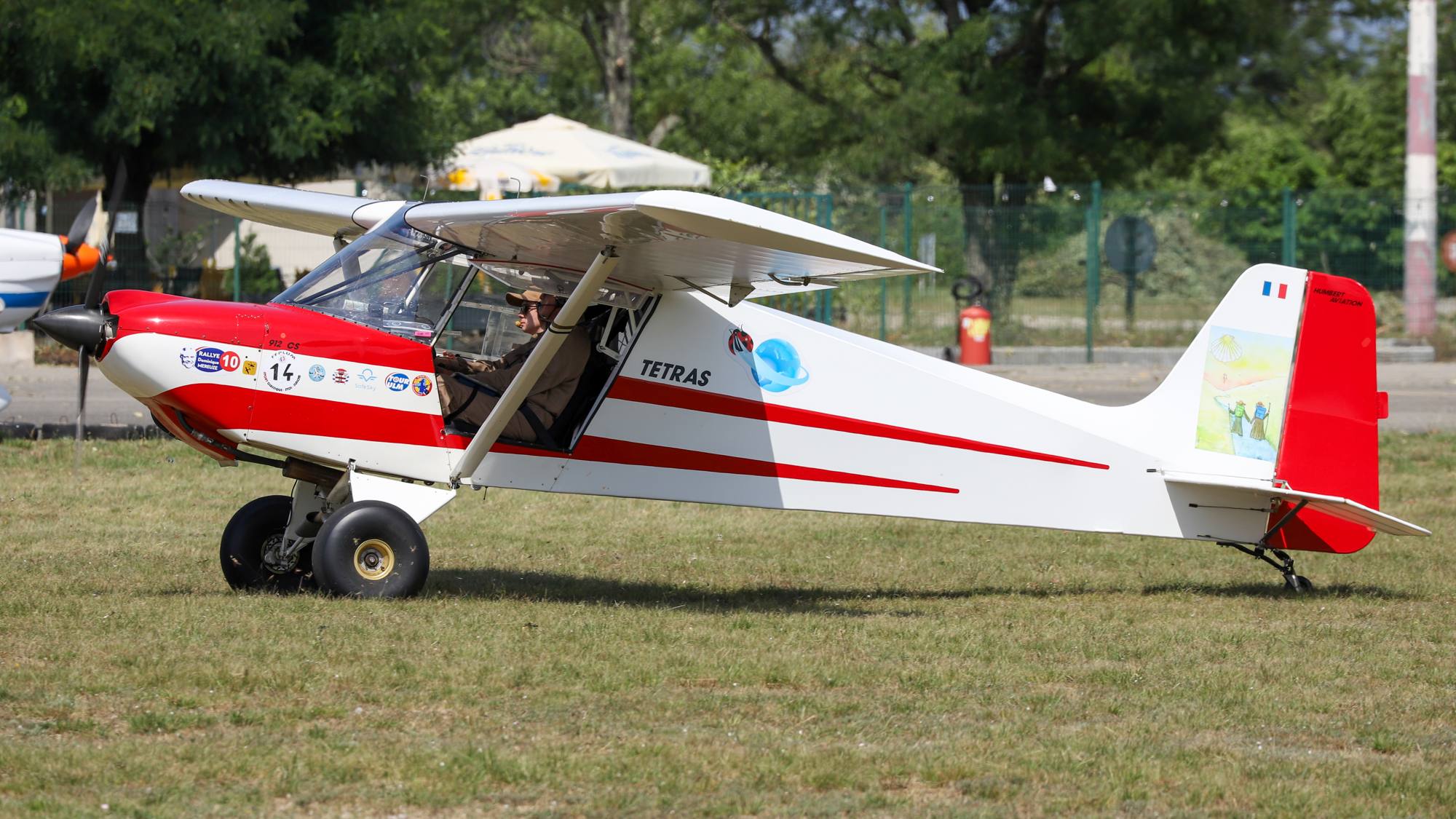
Towards the end of the segregation of microlights banned from French aerodromes
News from 23 April 2021. Last updated on 30 April 2021: some information may have changed. Latest news
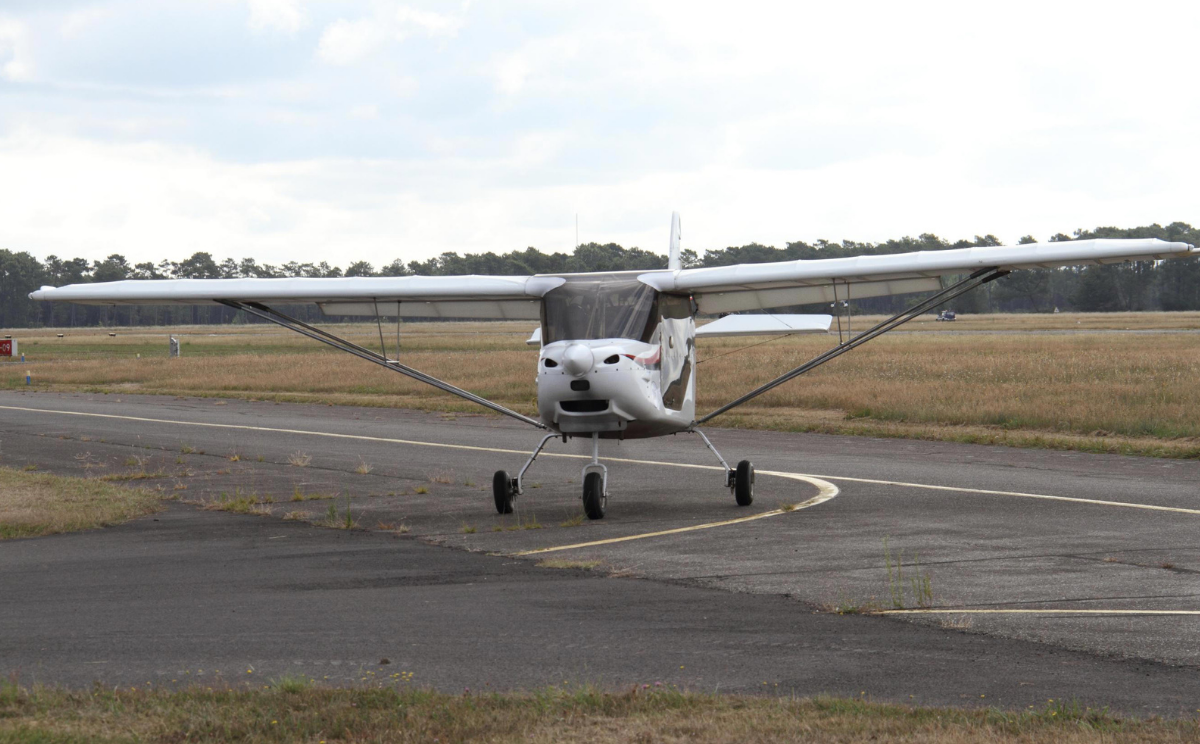
Which French microlight pilot has not been forced to give up on joining this or that aerodrome in the face of the stubborn refusal of the operations managers (formerly known as aerodrome commanders) to allow them in?
And it was indeed through the obstinacy of a pilot wishing to join, in order to be based at, the LA ROCHELLE - ÎLE de RÉ aerodrome that the tug of war was cut short. Asking for a microlight to be able to join and to have the right to be based at the controlled aerodrome of LA ROCHELLE was emblematic, given that this airport hosts scheduled passenger airline services and, naturally, IFR traffic.
Faced with the repeated refusal of this airport’s operations managers to allow microlight access, despite the order of 12 July 2019 that opened up, albeit with reservations, the possibilities of access, a microlight professional approached the Federation, which invited its lawyer, Maître Serge CONTI, to launch a test of strength with the administration to challenge the legality of the decisions refusing microlight access.
Two procedures were brought before the Poitiers administrative court: on the one hand an interim suspension application (“référé suspension”) and on the other an appeal for abuse of power (“recours pour excès de pouvoir”), copies of which are attached under a link.
After three months of consideration, the “wise men” of the “Civil Aviation Safety Directorate South-West” agreed to bring to their knees those who held out for blocking microlights, and on 16 April 2021 issued a “Decision on the special air traffic instructions for La Rochelle Île-de-Ré aerodrome” [1] a copy of which is attached under a link.
This decision now allows, in particular, class 2, 3, 4 and 6 microlights to use La Rochelle Île de Ré aerodrome subject to certain legitimate conditions, notably relating to integration and take-off speed (The decision does not mention the need for a 8,33 radio and a transponder, which goes without saying…!)
This is a victory that rewards efforts made by the FFPLUM over many years.
Above all, it reflects recognition of the wisdom and responsibility of microlight pilots, who will know how to prove worthy of this mark of trust from the administration.
It is equally right to thank the DSAC-SO managers, who had the wisdom to think positively, taking into account the maturity of the activity, and to give up having the debate settled by the judges of the Poitiers administrative court, for whom the subject is not their natural territory.
All that remains is for the other directors of the French DSACs to take decisions aligning themselves with the decision taken by their DSAC-SO colleague.
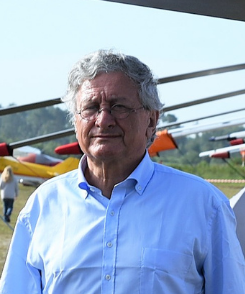 Maître Serge CONTI









