






Stress management techniques in flight: mental preparation for a serene flight: GOING FURTHER
Of course, the further ahead a flight is prepared, the easier it will be.
The day before a flight, for example, you can visualise each stage of the flight and the manoeuvres to be carried out, and anticipate different possible scenarios.
Before each flight, familiarise yourself with the emergency procedures and draw up an action plan for each possible scenario. Feeling prepared and able to cope with emergencies can reduce the stress associated with the unexpected.
Once in flight, stay focused on the present moment and on the immediate tasks to be done.
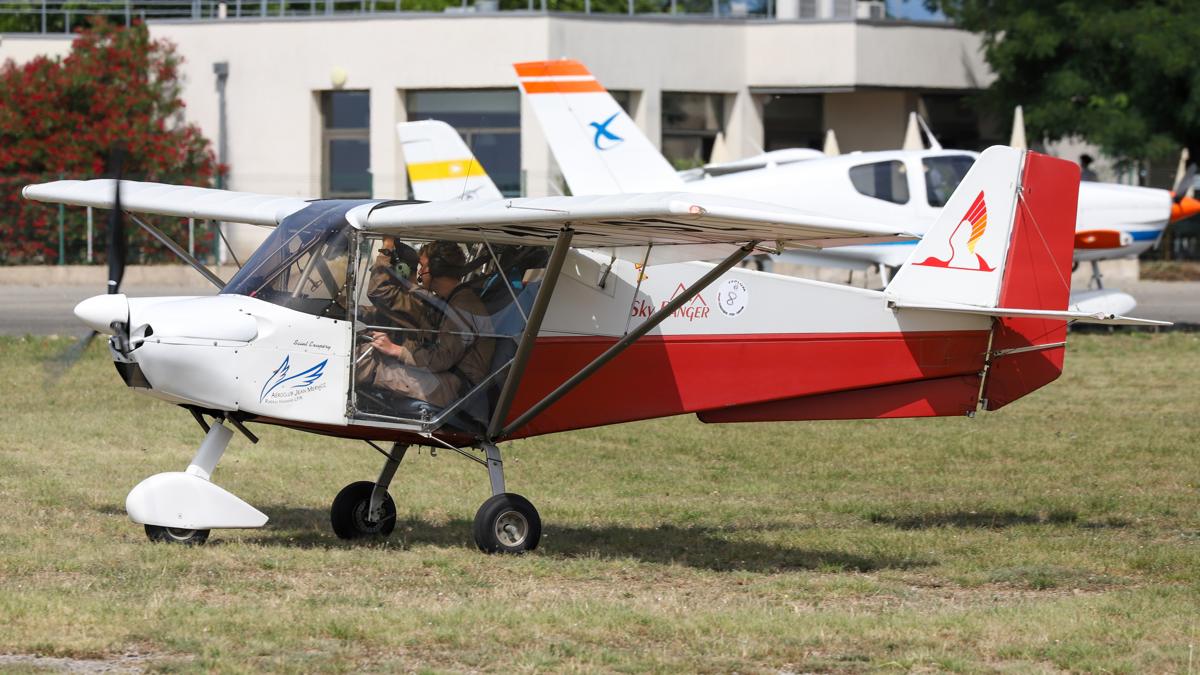
Avoid being overwhelmed by anxious thoughts about the past or the future, and concentrate on managing your microlight and your current surroundings. By adopting a proactive approach centred on the present moment, you can reduce stress levels and maximise your performance in flight.
Among the relaxation exercises you can practise at home, at work, in transport...
Focusing on the present moment: at work, when you feel stressed or overwhelmed, take a few moments to stop, close your eyes and concentrate on the physical sensations of your body (breathing, heartbeat, sitting position).
Direct all your attention to the sounds around you and the tasks to be done right now. By focusing on the present moment, this technique lets you reduce mental distractions, improve concentration and manage stress and anxiety at work effectively.
Acceptance and letting go are emotion-management techniques that involve recognising and accepting negative emotions and thoughts without judgement or resistance, in order to reduce their impact on mental and emotional well-being in flight. By adopting an open and kindly attitude towards your emotions and thoughts, this technique reduces the intensity of stress and anxiety, helps you handle difficult situations better and develops a calm and balanced attitude in flight.
Managing stress after a flight that did not go as planned:
When a microlight flight does not go as planned, it is natural to feel a range of emotions, from disappointment to anxiety. To manage these emotions effectively and encourage a constructive recovery, pilots can take several approaches:
First, after landing, take a moment to be by yourself and focus on your breathing, as discussed above.
Then, once you feel calmer, take the time to look objectively at what happened in flight.
Identify the contributing factors, whether unforeseen weather conditions, poor piloting decisions or technical problems. It can be helpful, for example, to keep a logbook in which you note your observations and reflections after each flight. This will let you establish trends and patterns that can prove valuable for your development as a pilot, to better understand and identify areas for improvement.
In addition, do not hesitate to ask for feedback from more experienced pilots or qualified instructors. Their perspectives and advice can help you gain a fuller understanding of events and work out strategies to avoid the same pitfalls in future.
Furthermore, to support emotional recovery, give yourself time to do things that bring you pleasure and well-being outside aviation. Whether it is spending time with loved ones, pursuing a hobby or simply relaxing with a good book, these activities can help you restore your balance and rebuild your confidence in yourself as a pilot.
Finally, remember that every flight, difficult or not, is a learning opportunity. Treat the experience as a valuable lesson and an opportunity for personal and professional growth. By building the lessons learned into your future practice, you will strengthen your confidence in your piloting skills and become a safer, more competent pilot.
By following this advice, microlight pilots can better manage stress after a difficult flight, turn adversity into opportunity and keep progressing on their path to aeronautical excellence!
And of course, try as far as you can to lead a healthy lifestyle: play sport, which releases endorphins, the famous happiness hormones; look after your sleep, since tiredness raises adrenaline levels; eat fresh, varied produce every day; avoid sugar-laden and processed foods (it has been proven for many years that these cause hormonal imbalances and can lead to chronic diseases such as diabetes, high blood pressure and cardiovascular disease).
Favour personal activities and moments of relaxation to promote mental and emotional recovery, which strengthens resilience to stress.
Do not hesitate to turn to alternative therapies such as sophrology or hypnosis to help you calm down.
A healthy body promotes a healthy mind!









