Editorial April 2018
Inversion
It seems that spring is here, and even though the days do not yet look like the picture-postcard image of the season, it is important to take into account, when flying, the changes in how our microlights behave, notably due to the return of milder temperatures.
Indeed, we must not forget that air temperature is one of the fundamental elements in aviation, as its influence extends to areas such as aerodynamics and performance. This means that the feel of the controls and the reference points we got used to during the cold winter temperatures will be different, and this must be taken into account when conducting our flights.
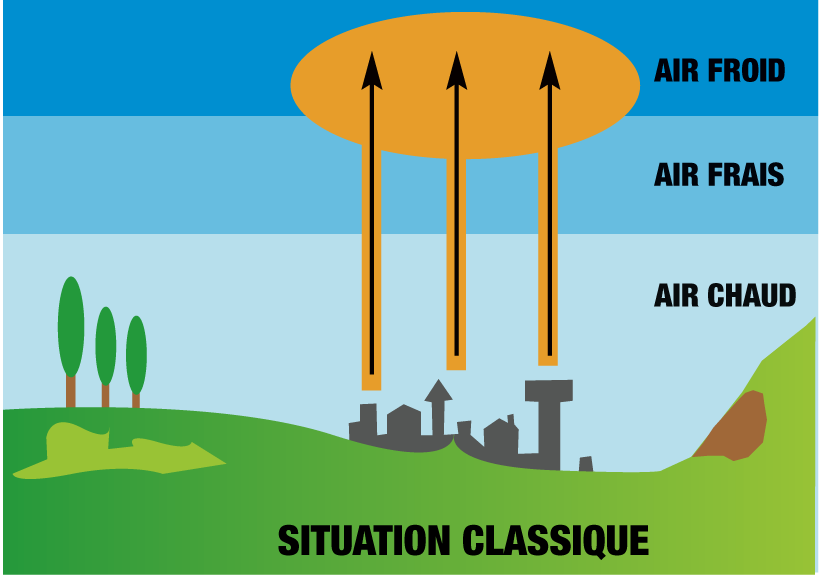
So, while we know that rising air temperatures reduce climb performance, lengthen take-off and landing distances, and imply a lower indicated airspeed and a lower pitch attitude in the climb, there is also another phenomenon that is particularly marked in spring: temperature inversion.
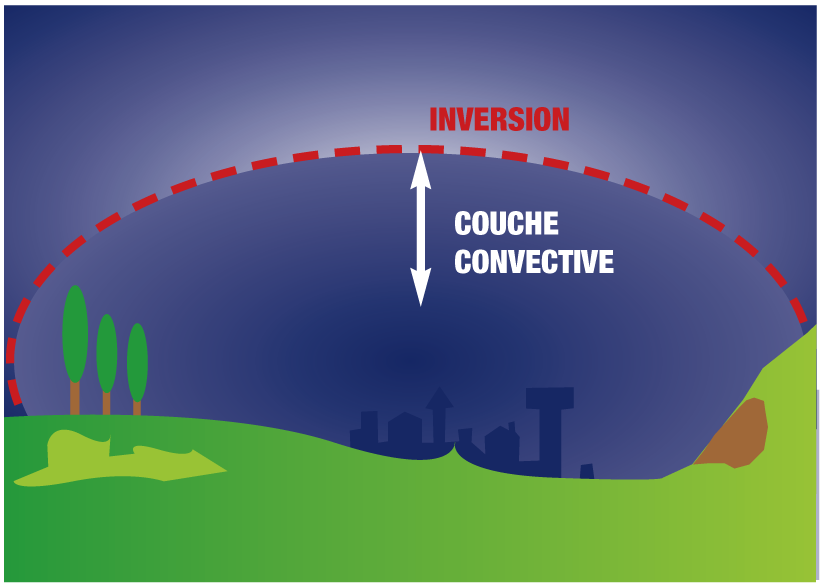
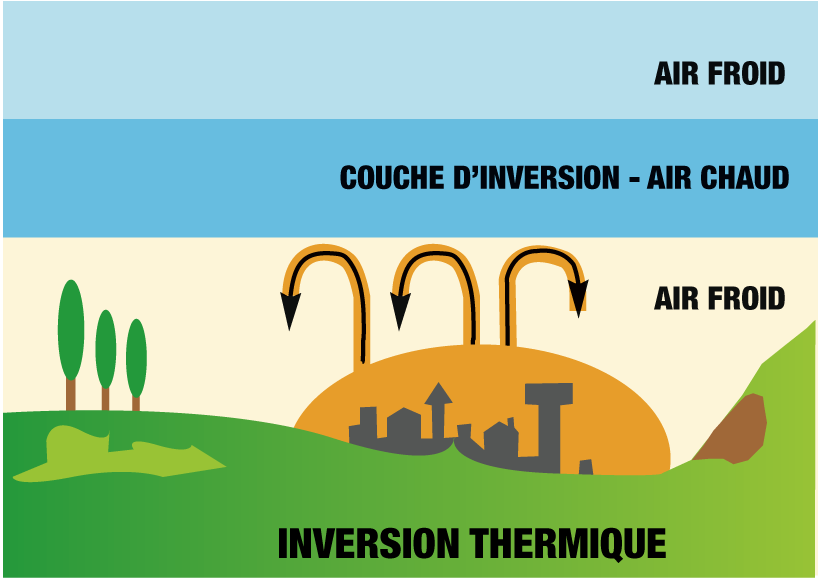
This phenomenon is a sudden increase in temperature with altitude when passing through the so-called inversion layer (inversion here meaning a reversal of the temperature gradient).
The consequences for our flight are, in the climb, a drop in indicated airspeed as soon as the aircraft enters this positive temperature gradient zone. It is then easy to see that if the climb speed was too low, passing through the inversion layer could bring the microlight to the stall.
Likewise, this time in descent, passing through the inversion layer will result in an increase in indicated airspeed. Less serious, you may say, but if you were close to your microlight’s VNE or flying a three-axis aircraft with one notch of flap out, beware of exceeding the limits!!
How can you tell whether you might meet this phenomenon during a flight? On the ground or in the air, watch the horizon for a transition line that could indicate a temperature inversion. This phenomenon is also found in winter and early spring in the early morning, when the layer of air near the ground has cooled overnight and the upper layer is starting to be warmed by the sun.
Whatever the case, good practice is to keep a moderate pitch attitude in the climb, to fly a sufficient indicated airspeed that is never below the maximum-gradient climb speed, and in descent not to fly at speeds close to the limits of your configuration.
Safe flying!
News:
We are immensely honoured to welcome Bernard Boudou as the new editor of the BSV. Bernard, an instructor and former BEA investigator, will be in charge of the “Analyst’s analysis” section, which will each month go through a BEA report in detail and draw the conclusions needed to improve the safety of our flights.
Welcome Bernard!

Reminders:
The REV operation has begun!! Many microlight pilots and instructors have already registered on the dedicated site and the first REV flights have been flown.
We are in that very delicate period of getting back to flying, and for anyone who has not yet done so and feels the need to retrain safely with an instructor, go to www.ffplum.fr and click on the “REV ” tab.
Also watch our how-to video: "What about doing a REV?"
And see our FAQ dedicated to Return to Flying
Eric Galvagno
Head of the Flight Safety Committee