






The Analyst's analysis - BSV no.50
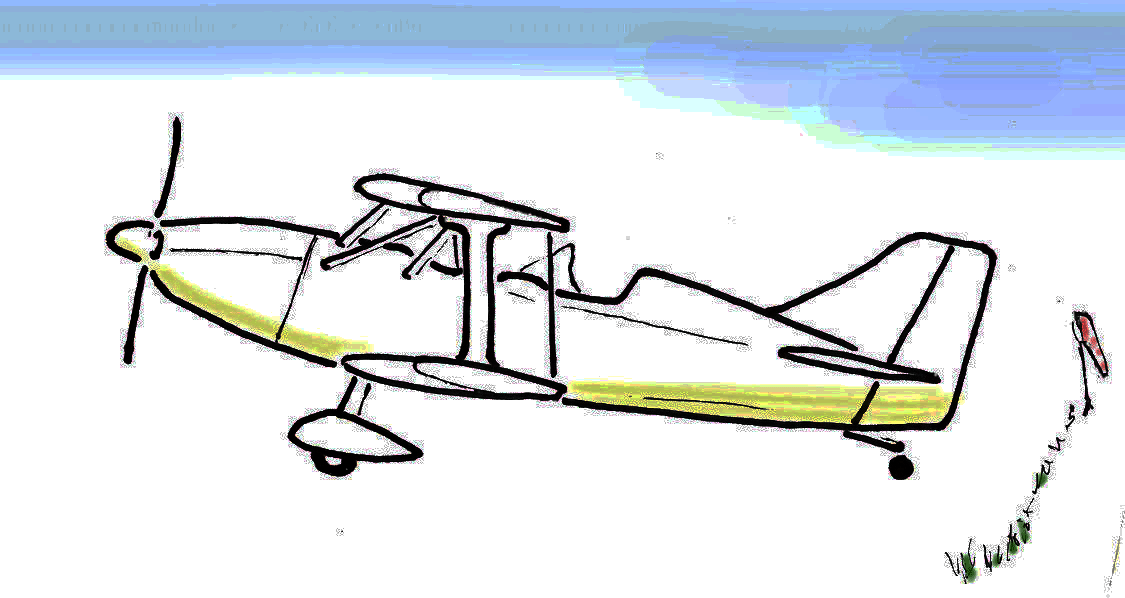
In May 2017, the BEA published its report on the accident involving the FK12 Comet microlight, registration 974-GJ, which occurred on 27 August 2016 at Sours (28). Both occupants of the aircraft were seriously injured.
Full report at:
https://www.bea.aero/uploads/tx_elydbrapports/BEA2016-0528.pdf
The descriptive elements of an accident generally fall into at least three areas:
- the aircraft, its performance, its operating envelope,
- the weather environment and the constraints it imposes,
- the pilot, their scope for action, their own limitations.
- The microlight is a three-axis biplane with conventional landing gear, with a reputation for being very manoeuvrable and responsive. It reacts sharply to irregularities in the air mass.
- Sunshine on a surface heats the lower layers of the atmosphere. Being less dense, they sometimes rise in a very disorderly way. This convection phenomenon is intense and irregular in summer, in the early afternoon, in light wind, over adjacent surfaces of different types (for example stubble next to a forest or meadow). All these conditions seemed to be present at the time of the 974-GJ flight.
- According to the report, the pilot had little experience on the aircraft. The day spent at the trade show (standing, heat, etc.) had slightly sapped his energy, certainly unconsciously. At the end of the flight:
- the discomfort of the return trip,
- the fatigue and worry caused by the two losses of control during the previous landing attempts,
- the disappointment at colleagues who had arrived safely,
- the uncertainty about whether the landing at La Saussaie would succeed,
probably caused high stress. Together these reduced the pilot’s ability to regain control of the aircraft before the collision.
The BEA investigation cannot identify the exact trigger of the accident. However, it appears that the pilot’s reduced scope for action could have compromised control of a microlight that reacts sharply in an unstable environment.
Bernard Boudou
Flight Safety Analyst
Editorial
 Weak signals
In our search to improve flight safety, several lines of action are possible and should be used.
One is improving knowledge, by staying curious about regulatory changes, flight theory, methods and training, reading the BSV, and so on.
Safety in Figures
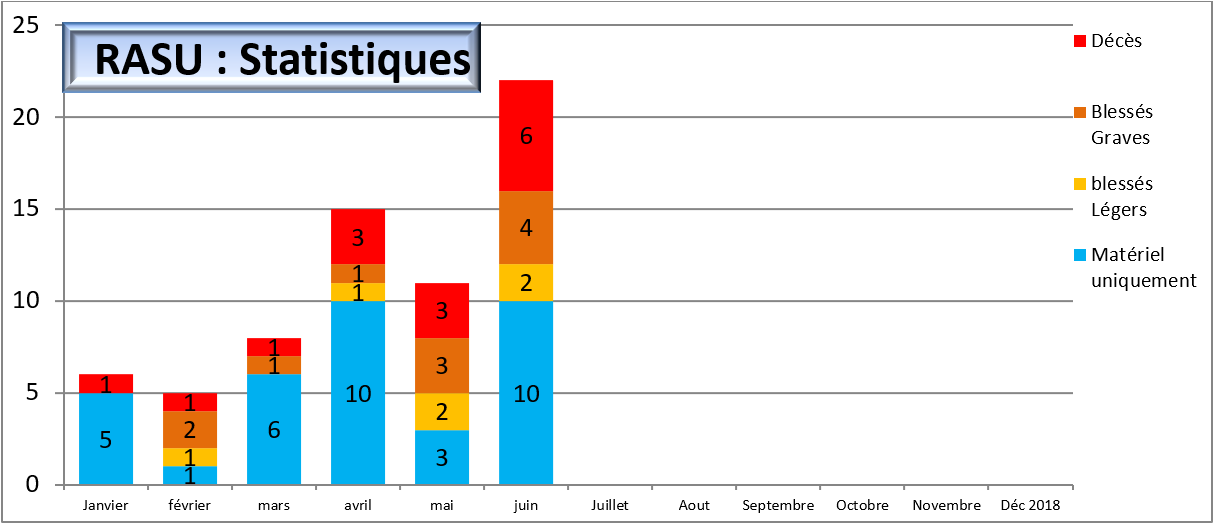
The table below summarises the accident statistics recorded from 1st January to 30 June 2018, classifying victims by severity and distinguishing purely material-damage accidents.
.
Training Corner
The holidays are coming, and the sky is going to fill up with aircraft of every kind, just like the roads of France.
With good weather back, we can at last put an end to our flying frustration, as the season really got going later this year.
What about doing a REV? > video guide
A question about the REV programme? > see our dedicated FAQ









