The return of fine days marks the start of a new flying season. But before taking to the air again, let us take the time to follow each essential step for a safe return to flying.
Destination goal
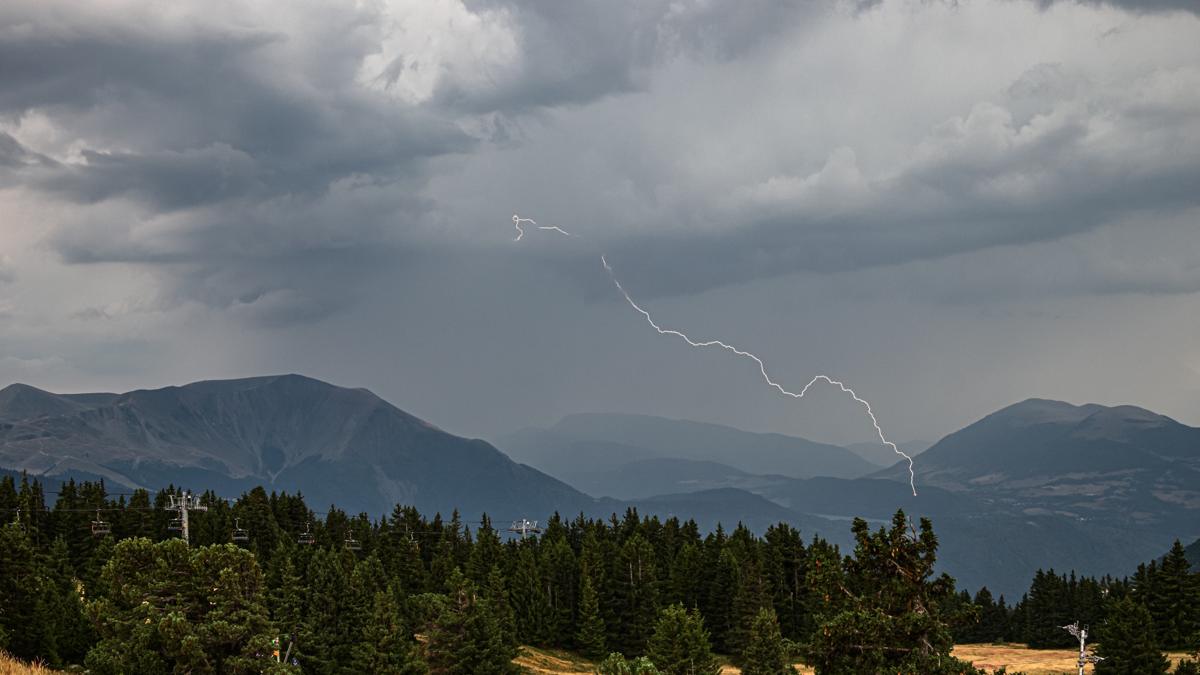
On a navigation flight, the microlight pilot is caught out by deteriorating weather on his route and loses visual references with the ground. He quickly decides to activate his rescue parachute.
See and be seen
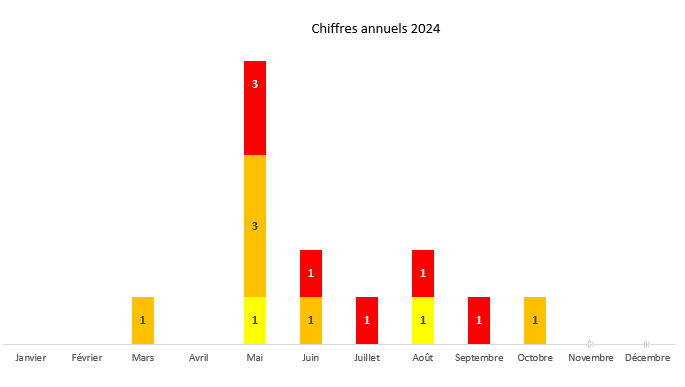
Recent news, as well as the analysis of near-misses that occurred in 2024 and early 2025, remind us of the crucial importance of safety in flight. Ensuring your own safety, and that of third parties on the ground, remains the absolute priority of every free and responsible pilot.
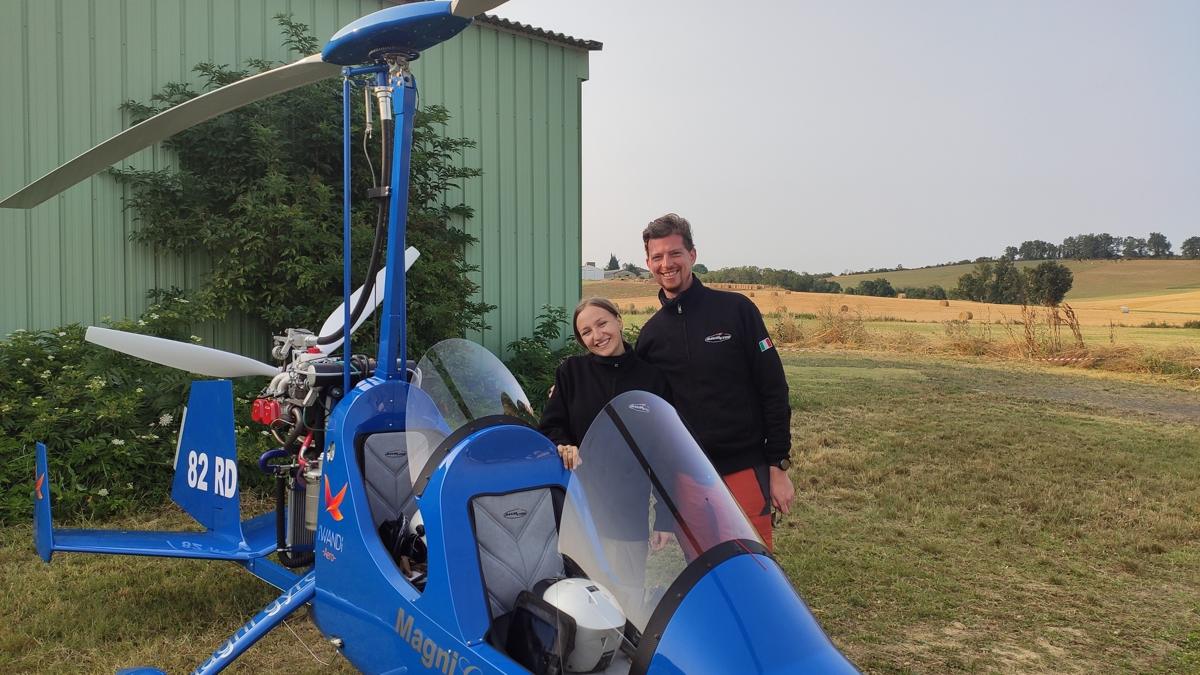
The gyroplane is a rotary-wing machine, whose particularity is to be carried by a rotor that is free on its axis and turns only through the effect of the relative wind. This rotor is in autorotation. Like an aeroplane, the gyroplane only flies if it has speed. It therefore cannot hover, unlike a helicopter. This speed is generally provided by a pusher propeller driven by an engine whose maximum power must be below 115 hp for a single-seater and 142 hp for a two-seater. This power rarely allows the machine to exceed 150 km/h, because a gyroplane produces more drag than an aeroplane.
Winter weather: risks and consequences
The arrival of winter and the associated weather with heavy precipitation are decisive factors that affect our flights. Frost, mist, falling temperatures, rising humidity: winter is here with its characteristic train of weather changes. In winter, the range of vulnerabilities widens and we must take them into account so as to approach each flight fully aware of the various threats we may be exposed to.
Lithium batteries: anticipating the risk of fire on board!
Two major events recently experienced by pilots remind us that the risk of electrical fire is ever higher on our aircraft. We all know the race to cut the empty weight of our flying machines, which sometimes leads to fitting lithium-type batteries that are lighter than conventional ones. These must be suited to current engines, in particular with a specific regulator to meet the characteristics of these battery models.
Save your lives with the rescue parachute!
Our favourite activity, flying motorised ultralight aircraft, is a recreational and leisure activity. This activity is particularly demanding in terms of training, practice and keeping knowledge up to date, because it is the only way to guarantee a high level of safety in our flying. However, the accident record reminds us that our hobby carries risks. To improve microlight safety, and in effect reduce fatal risks, microlights were the source of a remarkable innovation with the development of systems to rescue the whole aircraft. This is the pyrotechnically deployed rescue parachute that now equips a good part of our microlights.
Winter: the risks of icing
The arrival of winter and the associated weather, with heavy precipitation, humidity and cold, are decisive factors that affect our flights. Here are 3 points to help you understand the arrival of winter and its consequences for your flights. There are two types of icing for light aviation: airframe icing and carburettor icing. The two phenomena must not be confused. The risk of icing affects every aircraft to varying degrees, whatever its size, type or how it has been prepared. Airframe icing can be a real danger after being parked on the ground in so-called winter conditions. On take-off as in flight, airframe icing can lead to loss of control of the aircraft. As for carburettor icing, it can occur in any season. Depending on the altitude or the region flown over, carburettor icing can lead to engine stoppage.
So a microlight pilot needs to pay attention not only to the general background knowledge on how icing appears, but also to the threats it poses.
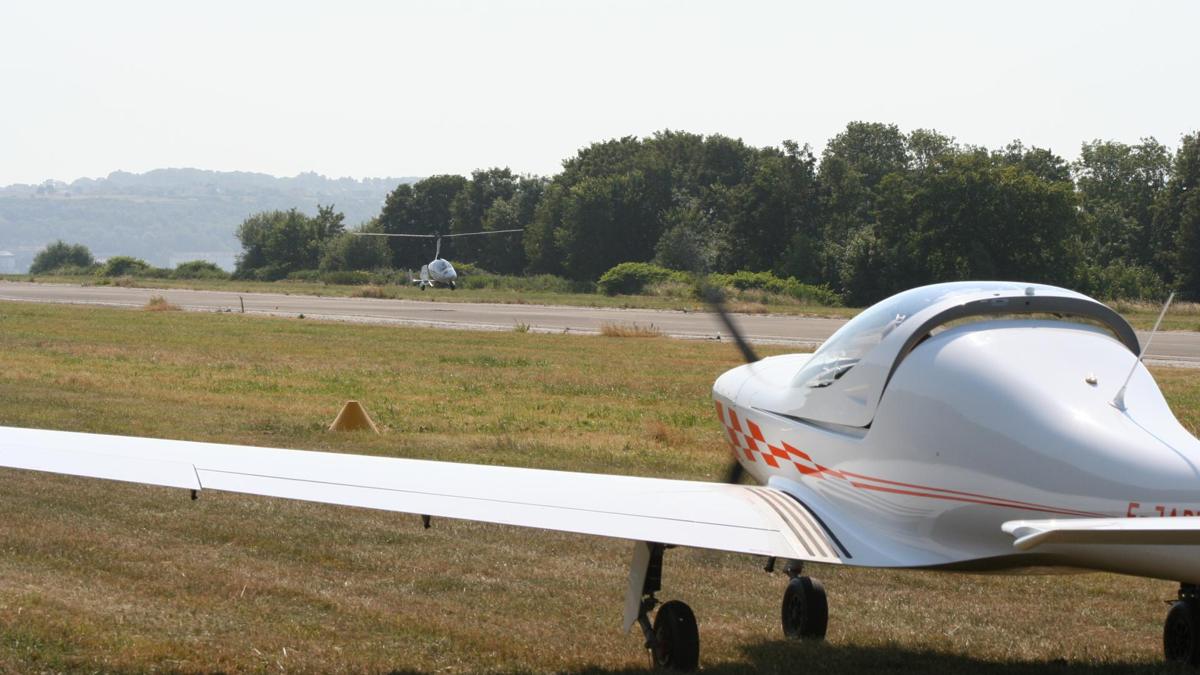
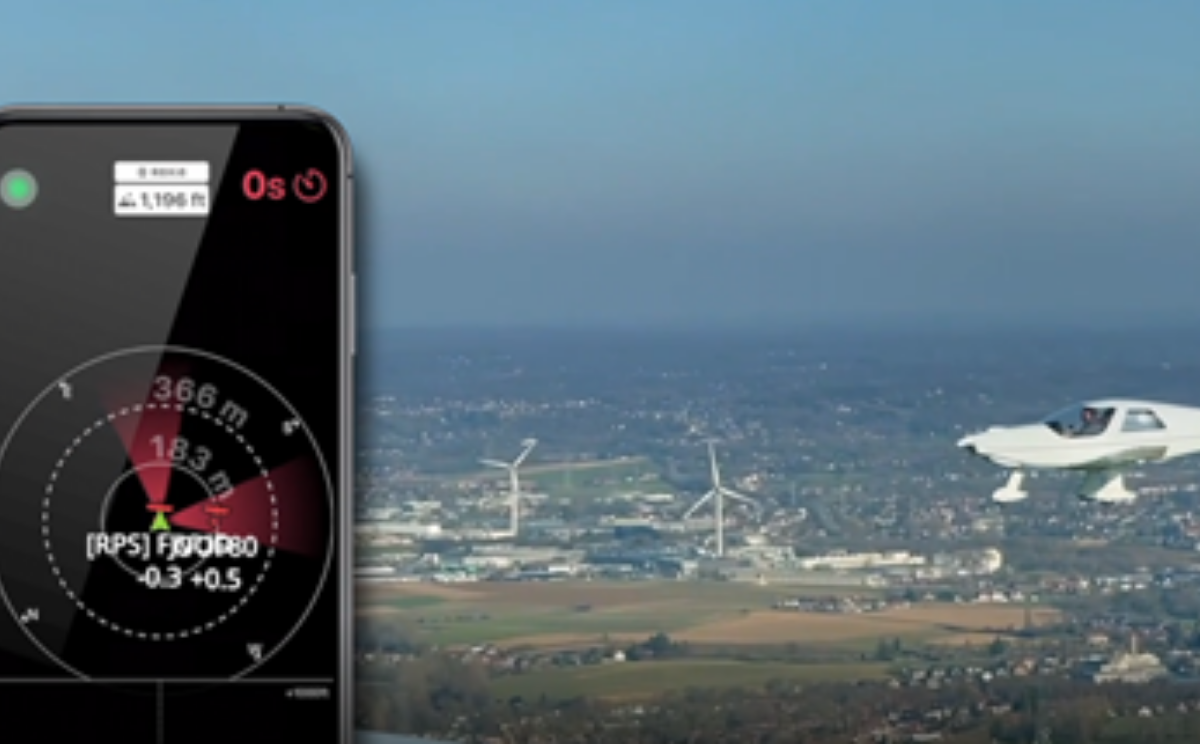
In our Newsletter of 26 February 2021 we discussed the value of these new collision-avoidance devices that can be used on our aircraft to SEE and be SEEN better, in order to AVOID each other.