






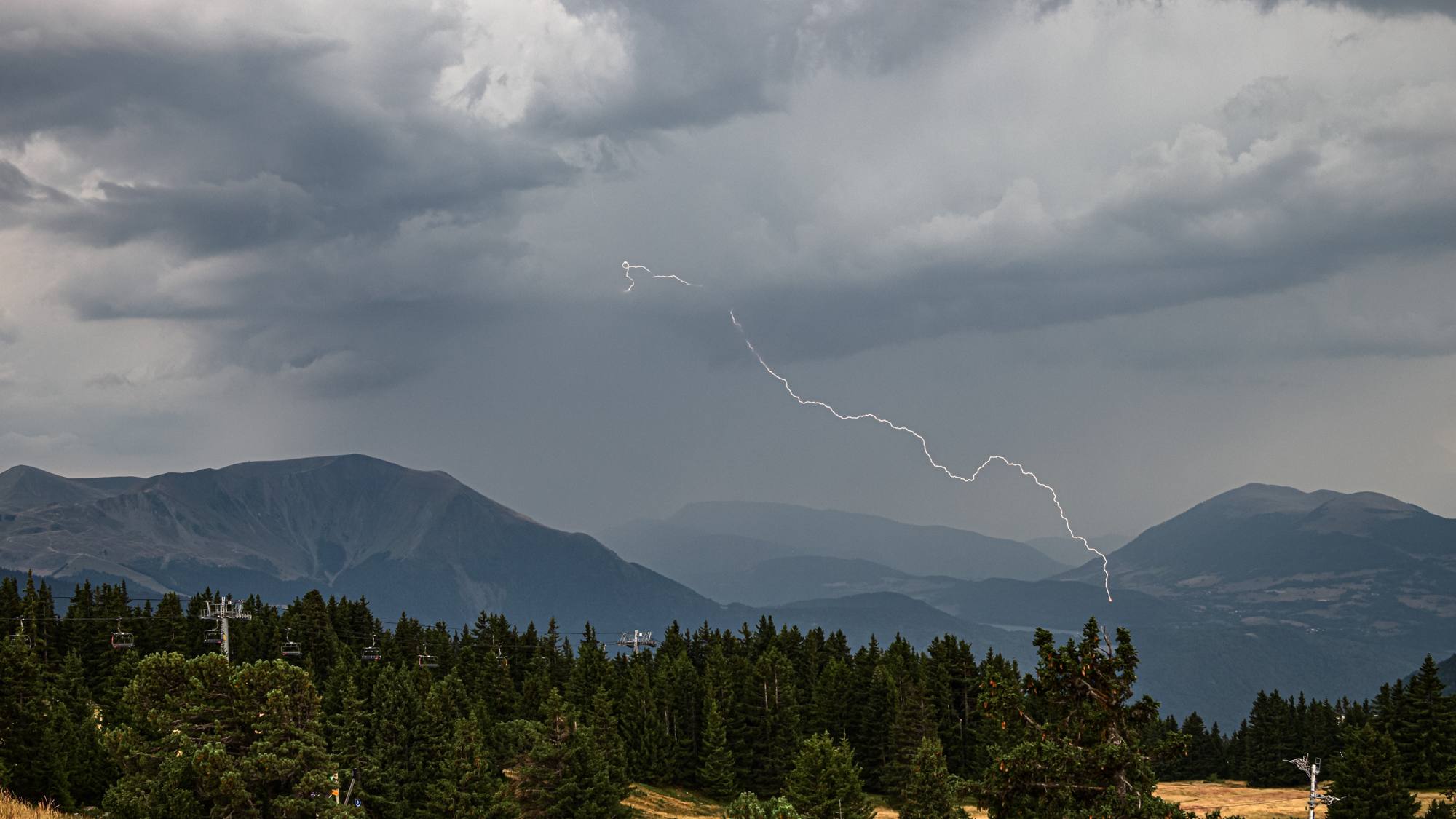
Winter weather: risks and consequences
The arrival of winter and the associated weather phenomena, with heavy rain, are decisive factors affecting our flights. Hoar frost, mist, falling temperatures and rising humidity: winter is here with its characteristic train of weather changes.
In winter the range of vulnerabilities widens, and we must take them into account so that we approach each flight fully aware of the various threats we may be exposed to.
For us microlight pilots, it is also an opportunity to update our knowledge and take stock of our theoretical and flying skills. This change of season should let us refresh the knowledge specific to the season by re-reading our flight manuals and taking time to think. Let us also not forget that our faithful steed does not like the change of seasons either. Take our batteries: a good check is needed so that our next engine starts do not turn into an impromptu workout involving the famous and delicate handling of jump leads.
In this BSV we offer a summary of the risks specific to our light aviation activities, and recommendations worth knowing. Here are 4 points to help you understand the arrival of winter and its consequences for our flights.
The Flight Safety Division
1. Morning or late-afternoon mist
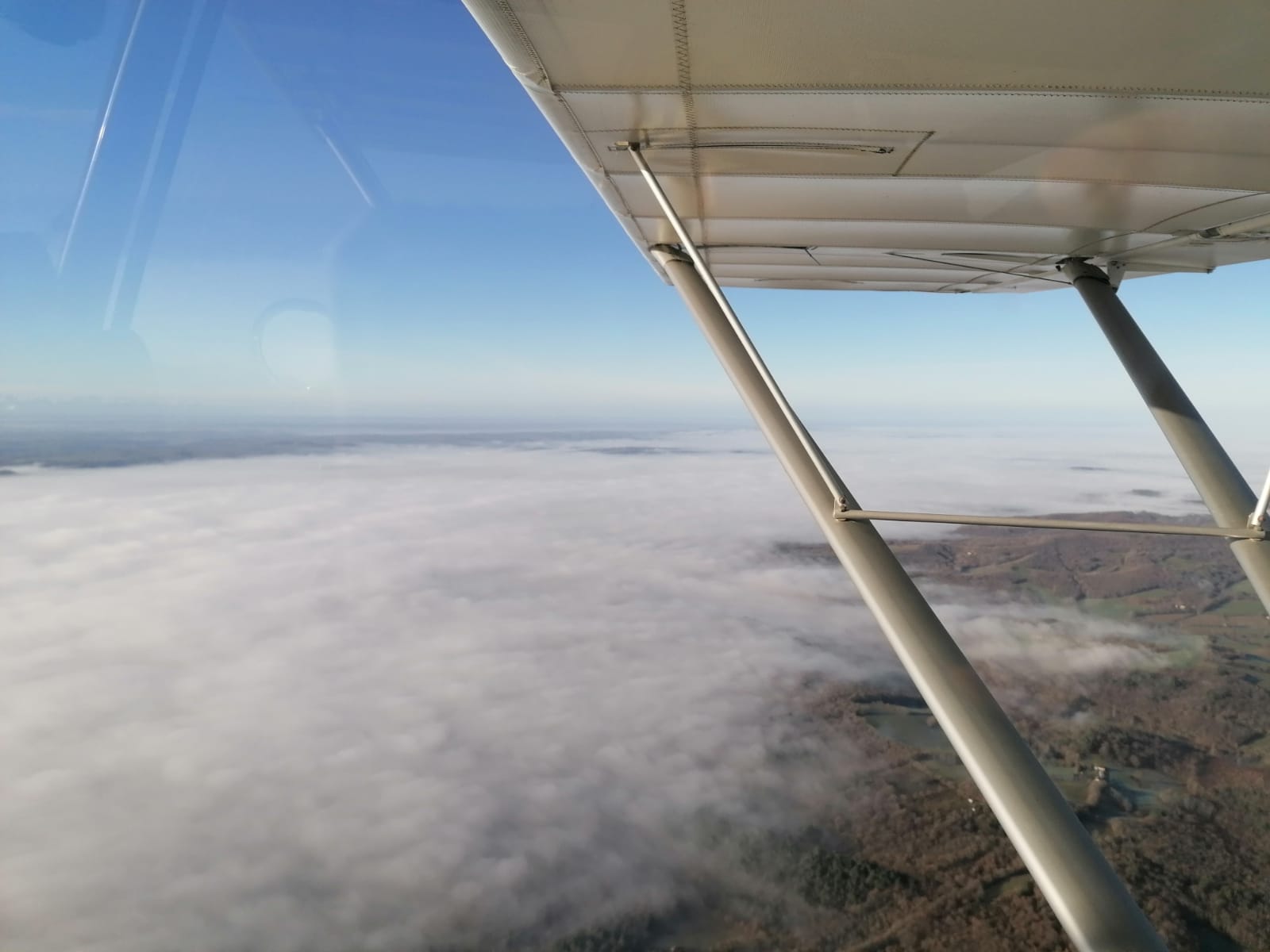
Morning mist that persists in places, particularly in damp areas, means flying where there is a high risk of losing sight of the ground over large areas.
Mist and fog pose a significant danger to our microlight flights because they develop rapidly and affect pilots’ visibility and perception.
- Reduced horizontal visibility makes it difficult or even impossible to spot obstacles, runways or the visual references essential for navigation. Visual references on the ground (roads, villages, forests) become blurred or invisible; added to this is the increased risk of spatial disorientation. Collisions with terrain, power lines or unseen structures become more likely, particularly with the low sun at the start and end of the day.
- Risk of fog forming: mist is often a prelude to fog (visibility < 1 km) if humidity and temperature conditions are favourable. If fog forms suddenly, returning to the microlight airfield or landing can become dangerous or impossible, especially at the end of the day.
2. Runway conditions
Winter often turns the runways of our microlight airfields and aerodromes into high-risk areas for pilots. With soft or muddy ground, puddles caused by poor drainage, snow or ice, these surfaces can pose significant challenges, particularly for microlights. Here is an overview of the main risks associated with winter runway conditions and their consequences.
- Runway surface condition: runways may be covered in snow, frost or frozen water. The consequence is reduced grip whether you are taxiing, taking off, or landing in your microlight or even on foot, as well as the risk of skidding when applying power or after touchdown, making braking ineffective. Overnight frost on a wet runway can turn water into a thin layer of ice that is hard to detect.
- Taxiing problems: taxiways and parking areas are not always cleared, so turning or ground control becomes tricky on slippery surfaces, which can make ground manoeuvring under the microlight’s engine power dangerous in some configurations.
- Mechanical and structural: snow and water on runways pose a significant risk to our microlights, particularly during take-off and landing. Besides the loss of grip, wheel lock-up is a major problem, which can result from snow building up in the wheel fairings or, after take-off, from a brake caliper freezing at altitude, complicating the landing. Finally, particular attention must be paid to keeping within the temperature limits for the water and oil of the Rigorous maintenance, cold-weather equipment and closer monitoring of weather conditions are essential to avoid these problems.
3. Icing
Every carburettor actually behaves like a small refrigerating machine. The air drawn in expands and, for that reason, cools by a few degrees. Add to that the fuel, which borrows heat from the air it mixes with in order to evaporate. The result is a considerable drop in temperature, of up to 30°. If moisture-laden air enters the carburettor, it may well cool there to below zero degrees and, at the same time, below the sublimation point of water vapour. These are the conditions required for ice to form.
- Carburettor icing : icing generally shows itself at first as a slight increase in rpm, quickly followed by low-amplitude, very dry vibrations, then a loss of rpm or even engine stoppage in severe cases. You may notice a rise in exhaust gas temperature accompanied by the loss of rpm. Ice formation always reduces the intake cross-section for the mixture, which is equivalent to closing the In other words, engine power will drop.
The greatest build-up occurs near the throttle butterfly, where speed is at its maximum.
This is why ice forms particularly at “reduced power”, whether while taxiing, while waiting before take-off or during approaches. Proper use of an intake air heating system, if your microlight is fitted with one, helps limit the risk of carburettor icing (see your microlight’s operating manual).
- Airframe icing : it can be encountered in icing conditions in flight, particularly in areas of supercooled water during a supercooling phenomenon. This dangerous phenomenon significantly changes the aerodynamics of your aircraft, and the weight of ice on the airframe and wings is far from negligible.
On the wing profile, whatever its structure, the accretion of frost / ice leads to:
- A reduced rate of climb,
- A reduced horizontal speed,
- An increased stall speed,
- A lower ceiling
If icing persists or worsens, using the emergency parachute may be a safe alternative to consider.
To find out more about the different types of icing, re-read the FFPLUM BSV.
4. Preparation and the decision to fly!
- Your pre-flight inspection. It is not easy to carry out a pre-flight inspection in cold temperatures and sometimes in wind, and being well wrapped up is not always enough. Take care in this case not to leave anything out during the inspection, as any oversight or omission can have serious consequences. Interruptions to tasks must be avoided during the pre-flight and you must stay focused.
- Starting and warming up your microlight’s engine. Your battery’s ability to cope with a cold-weather start is also essential, as is following the cold-weather starting items on your checklist. Letting your microlight’s engine warm up is a sign of good practice and allows it to reach ideal operating temperatures. The engine’s minimum temperature must be monitored regularly during the flight.
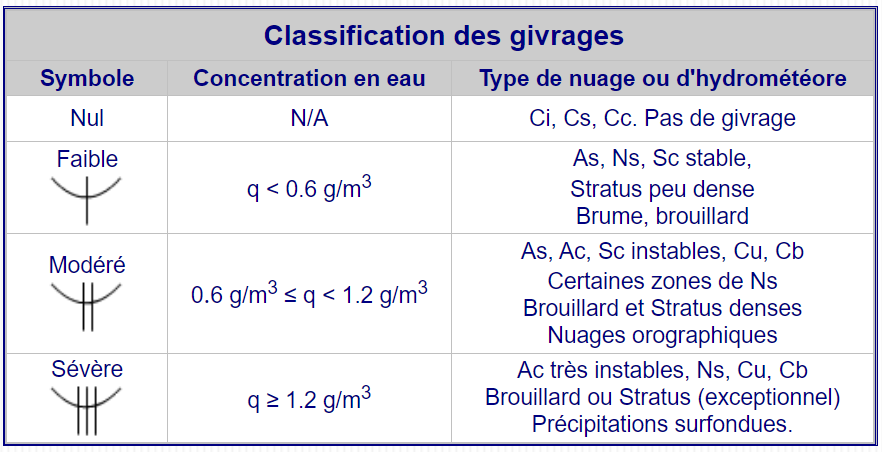
- Weather and daylight hours. There is a specific weather symbol on TEMSI charts to indicate the possibility of airframe icing. Good weather preparation before flying will spare you the worst!
Remember that icing remains likely even beneath a cloud layer, depending on its composition:
- Unstable congestus clouds Cb, Cu…
- Layer clouds Ns, St…
- Orographic icing,
- Icing
Gather the most recent data (Temsi, Wintemp, Metar, TAF, Sigmet) and only set off after a detailed analysis of the situation valid for the route and possible diversions, at the planned times.
If in doubt, seek the advice of an instructor or a forecaster.
When flying circuits, it is also advisable to watch for any risk of deterioration!
If conditions deteriorate, I turn back!
- Inspection fly-over: if possible, carry out a fly-over beforehand to observe the runway and spot visible obstacles or problem areas. Adapt your landing and take-off techniques and lengthen your safety margins to compensate for the risks linked to possibly reduced grip.
IN CONCLUSION
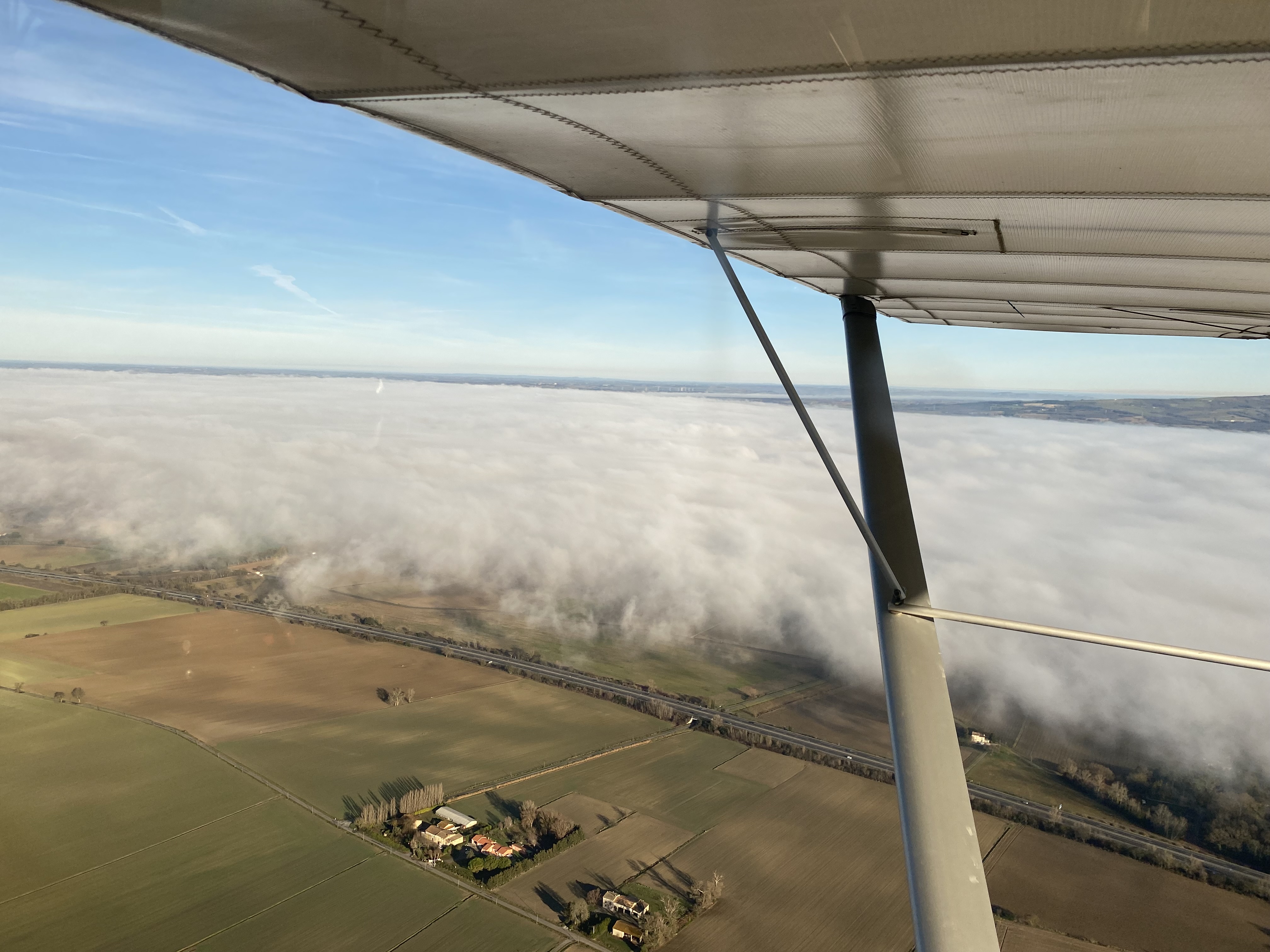
Every season has consequences for your flights that must not be neglected, and winter is no exception.
Winter imposes additional challenges on recreational pilots, sometimes turning ordinary conditions into dangerous situations.
By understanding the risks specific to this season and taking appropriate precautions, it is possible to fly safely while enjoying the winter landscapes.
Caution remains the watchword for facing winter in the sky! In all cases, talk to your instructor for detailed additional advice.









