






Editorial - BSV no.51
 Hot-weather operations
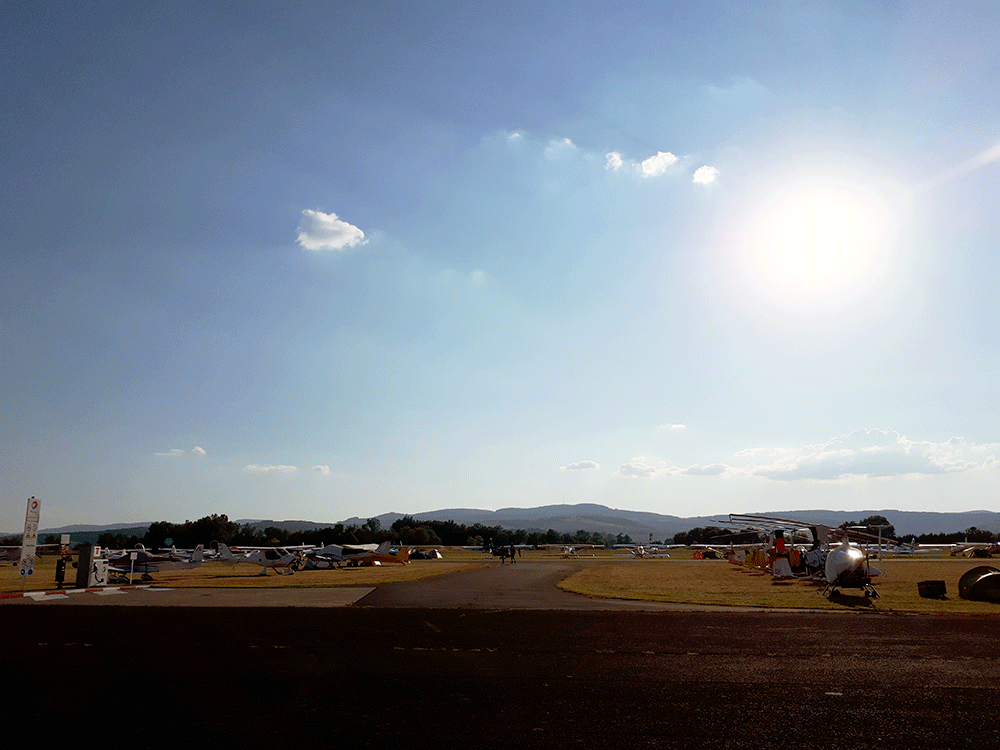
It is summer and this year it is particularly hot. If we suffer from excessive temperatures in our daily lives, they also have significant consequences for our flights and our microlights.
Once again, we can use the I.P.A.D.E model to manage the various threats we will face on these increasingly frequent heatwave days.
I (ntervenant extérieur / outside party): If you have a passenger, check that they have drunk enough and are dressed appropriately for these weather conditions, depending on the type of microlight used. Do not hesitate to brief them, telling them to let you know if they are too hot or if their stomach starts to play up: nausea comes on faster in the heat. For your part, keep a bottle of water on board and an easily accessible sick bag.
P (ilote / pilot): You too should of course think about staying hydrated (and I take the opportunity to remind you that any alcoholic drink before a flight is obviously out of the question. Do not smile, we still have fatal accidents in which the pilot’s drinking was the root cause)... Also think about wearing a cap if you fly closed-cabin microlights. Beware, too, of the fatigue caused by high temperatures...
A (éronef / aircraft): Whether engine or structure, our machines suffer from the heat and the bite of the sun. So watch out for vapour lock, which can occur in your microlight’s fuel system if it has been left exposed to the sun, and which can cause a loss of power and/or engine stoppage. Monitor your engine and exhaust temperatures closely in the climb. Also try to protect your microlight by parking it in the shade or, better still, in a hangar, even for a few hours.
D (ocumentation, préparation / documentation, preparation): To seek lower temperatures and the least troublesome thermal turbulence, work out during flight preparation the maximum possible altitudes on each leg of your route, taking into account, of course, the constraints of the various airspace zones.
E (nvironnement / environment): Intense heat means strong thermals, and flights in the middle of the afternoon should be avoided: the risk of loss of control becomes too high. In addition, our machines’ performance will be particularly affected in take-off and landing distances and climb gradient. Do not use strips that are too short and do not overload your microlight; there can be a difference of up to 30% between take-off performance in summer and in winter...
So, as a general rule, if you can, avoid flying in extreme heat and prefer morning and evening flights in summer.
Not only will you look after yourself and your microlight, but the pleasure of your flight will be all the better!!
Happy holidays and happy flying!!
Eric Galvagno
Head of the Flight Safety Committee
The Analyst's analysis
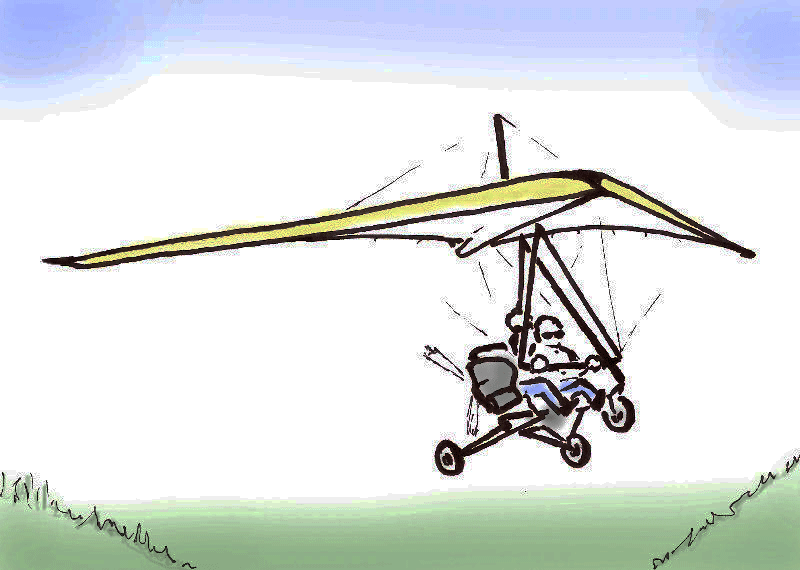 In June 2018, the BEA published the report on the accident involving the Cosmos Chronos 16 microlight registered 25-OB, which occurred on 13 July 2009 at Montbéliard (25). The instructor was seriously injured and the student died.
Training Corner
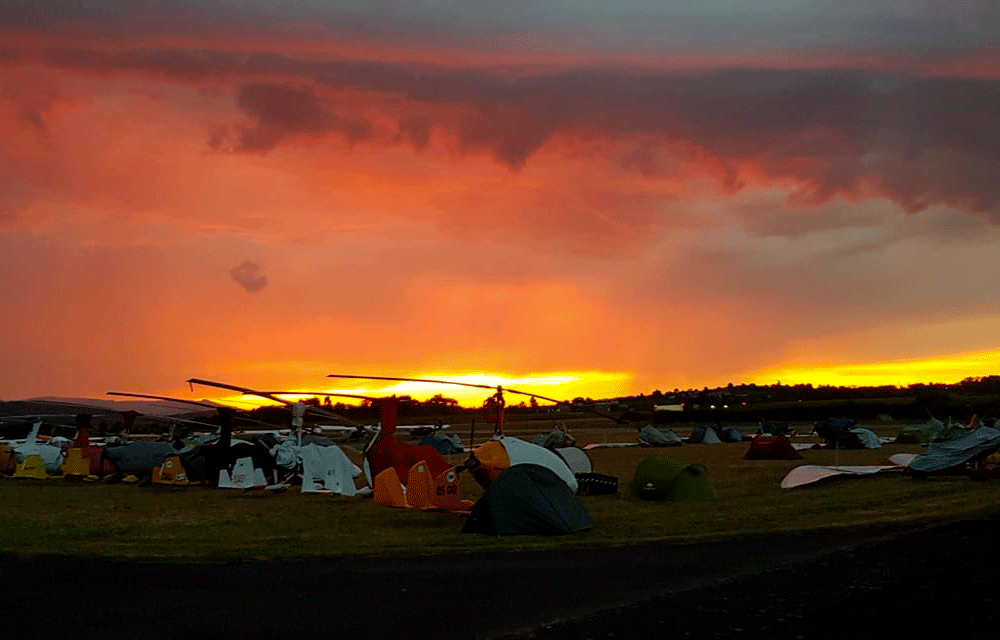
It was a great party, but...
The 23th Tour ULM has just finished, it was a great party, but… 128 machines, 4 classes, 270 people, a logistics convoy masterfully led, marvellous scenery, dream weather, simply a success. We all came home, all of us, and that is what matters most.
Safety in Figures
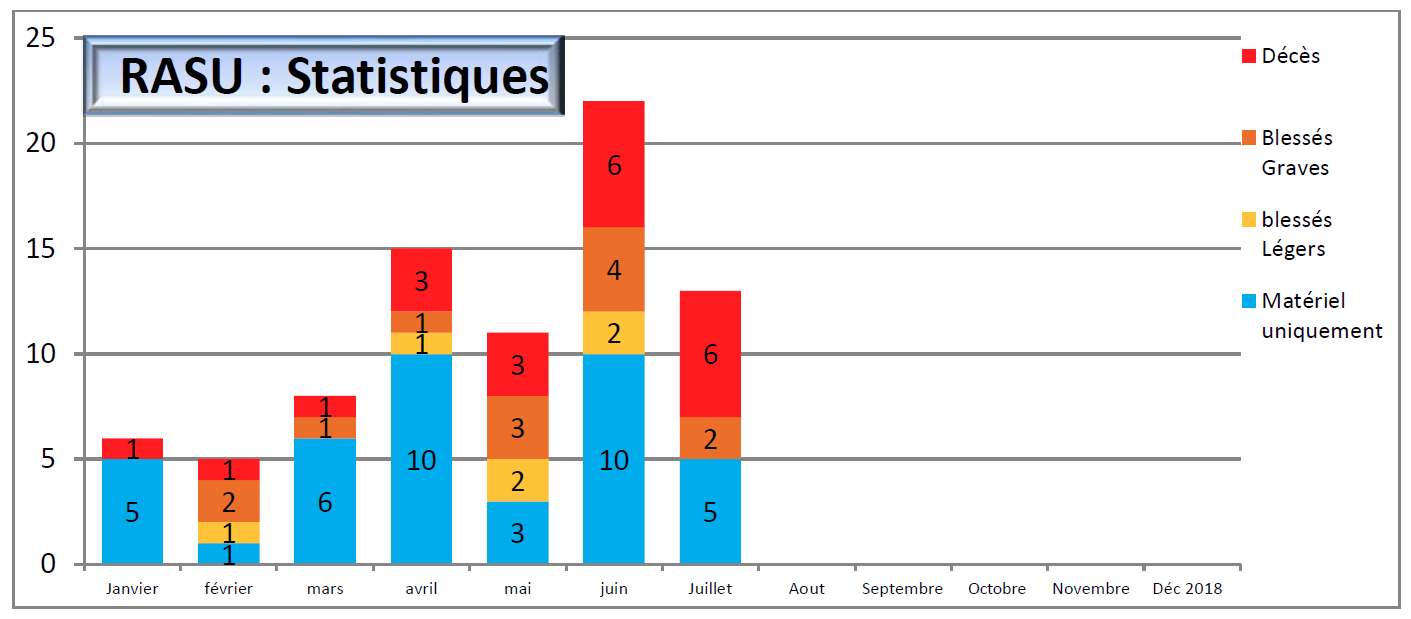
The table below summarises the accident statistics recorded from 1st January to 30 July 2018, ranking casualties by severity and distinguishing purely material-damage accidents. The second table shows accidents involving microlights registered in France that took place abroad with foreign crews.
What about doing a REV? > video guide
A question about the REV programme? > see our dedicated FAQ









