






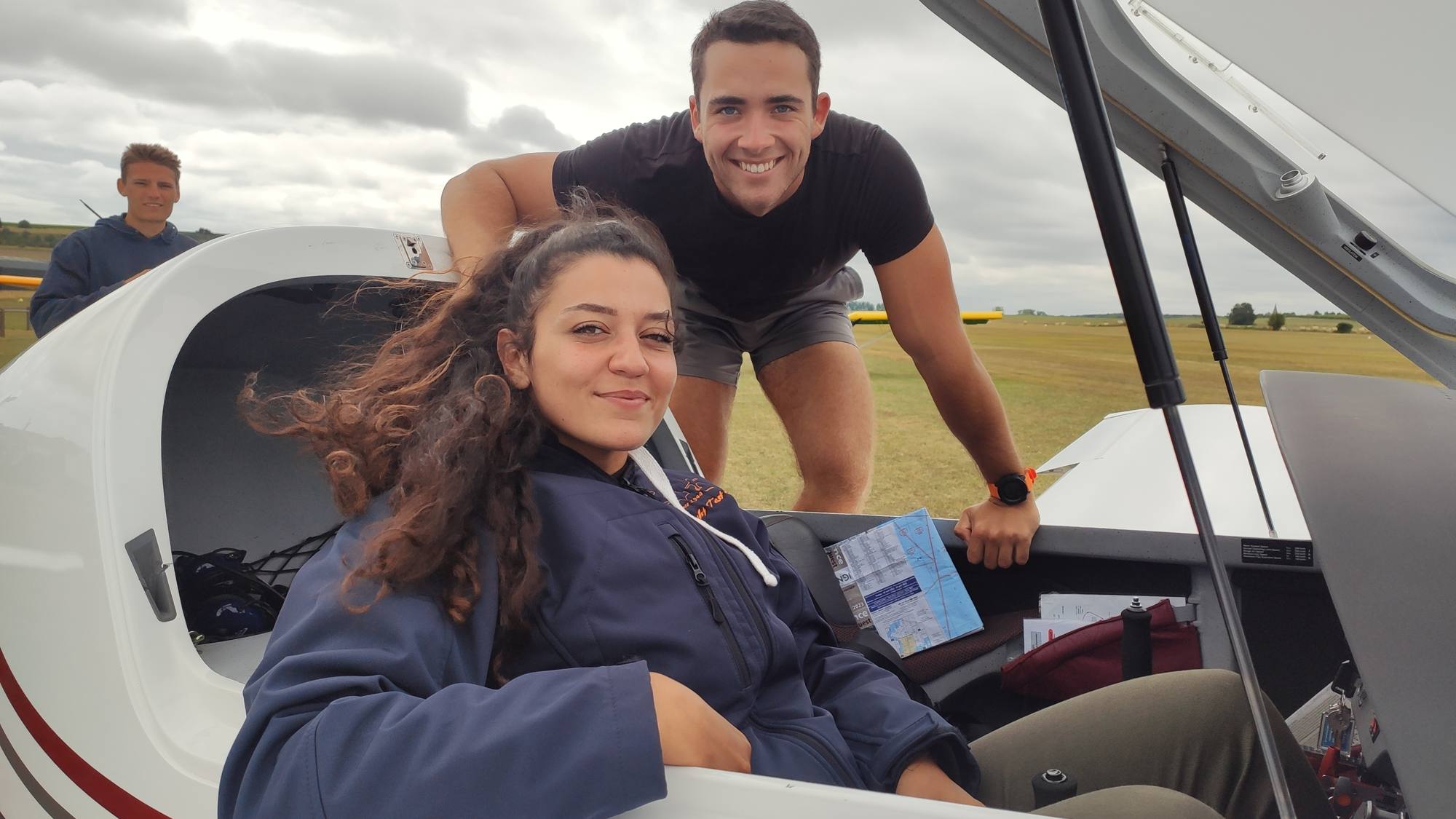
Training Corner - BSV no.57
Hello everyone,
There are 16 000 of us licence holders and some of us have a great deal of experience in aviation.
Let us use the BSV to share and enrich our knowledge on subjects relating to flight safety.
If you are interested, if you would like to share your thoughts on training or flight safety, do not hesitate to contact us and send us your articles.
So here is the first, which is worth reflecting on before activities resume.
Safe flying
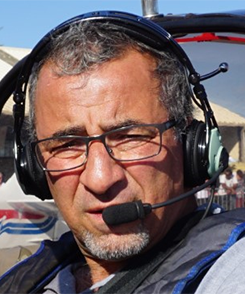
Jean-Christophe Gibert
Head of the Training Committee
The normalisation of deviance
Deviance is the act of departing from what should be done: for example, no longer systematically and rigorously carrying out a thorough pre-flight check, complete vital actions, or other procedures that contribute to our safety.
Very often, when one departs from the norm, nothing happens, no immediate negative consequence reminds us to order. Insidiously, gradually, the habit forms and this deviance sets in, to the point of becoming the norm. You only have to see on the road how many drivers no longer signal lane changes with their indicator to illustrate this mechanism.
In aviation, if the pilot gives in to this deviance, he gets drawn down a slippery slope where he will tolerate more and more departures from the norm and take more and more risks, along a path of least effort, without even being aware of it. Thus some pilots, even with a real aviation background, set off flying with a layer of dust on the wings of their microlight which has not flown for three months, as they would get into their car. Switch on, and off we go… This true example seems a caricature but other behaviours are more regularly observed: “removing the cowling and examining the engine” replaced by “checking the oil level and a quick glance through the hatch”!
The fact that no incident occurs reinforces the pilot's belief that his practices are well founded. Sometimes a small incident occurs, which the pilot manages. Instead of heeding this warning, the pilot is reassured in his ability to cope and carries on, unaware. This is why this phenomenon is encountered more among experienced pilots than among beginners. On a day when luck is no longer so present, an incident that could have been avoided will occur and endanger the crew with more or less serious consequences.
The normalisation of deviance is part of the large set of “human factors” at the heart of safety concerns, including in airlines.
To fly free, fly responsibly. Be demanding about your safety and that of those around you.
Do not forget that if an incident occurs, you are not on a moped, you are in flight aboard a microlight.
Jean-Marc Lezcano – 3-axis and gyroplane instructor
Editorial
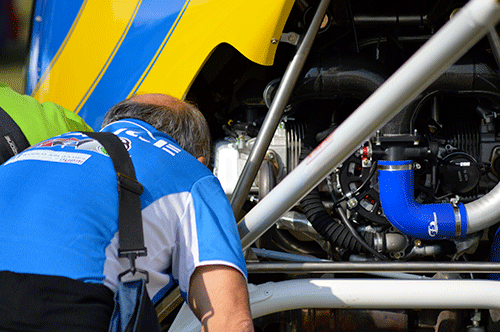 A well-balanced microlight is vital for your safety!
Balance is a major notion that applies in many fields. We say a person is well balanced (or not...), and the same goes for a company agreement, a decision, a budget, and so on. In aviation, this notion of balance is extremely concrete and is tied to an aircraft's ability to fly well, to handle correctly and to stay within its flight envelope in all circumstances.
The Analyst's analysis
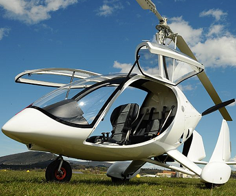
On 30 April 2016, at Montélimar Ancone aerodrome, a gyroplane microlight with its side doors removed takes off from grass runway 20 to fly circuits.
A witness sees the aircraft level off to accelerate at about 20 metres above ground, then bank slightly left and quickly right until it ends up on its back.
Safety in figures
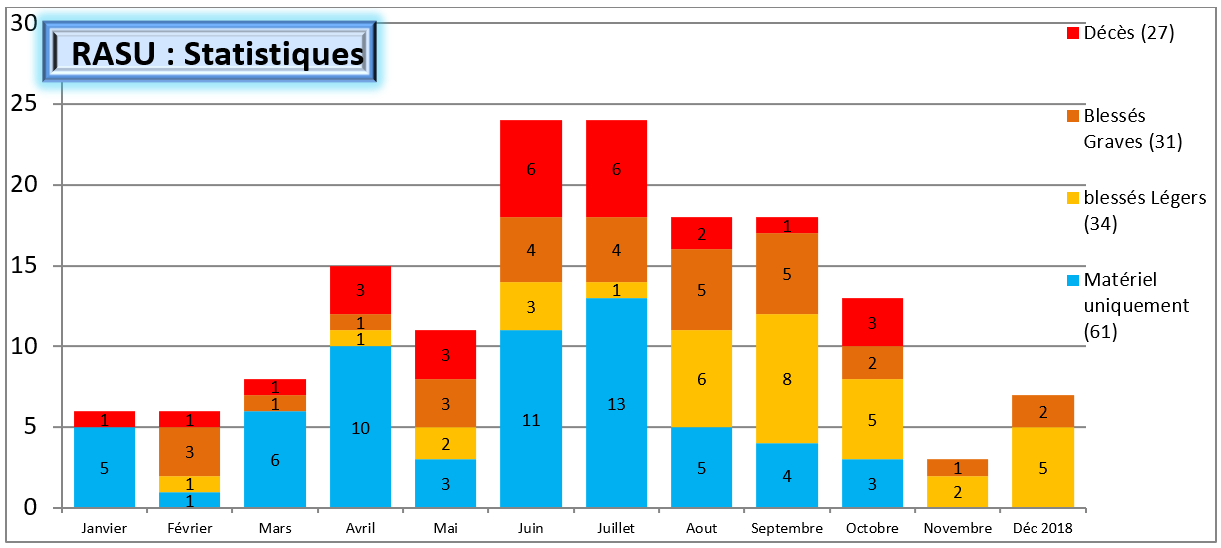
Since the start of this year, we have had no fatal or serious accidents, nor any with minor injuries, to record. The last fatal accident dates back to October 2018, so for three months in a row no death has been recorded in microlighting, which is extremely encouraging and exceptional.
What about doing a REV? > video guide
A question about the REV programme? > see our dedicated FAQ









