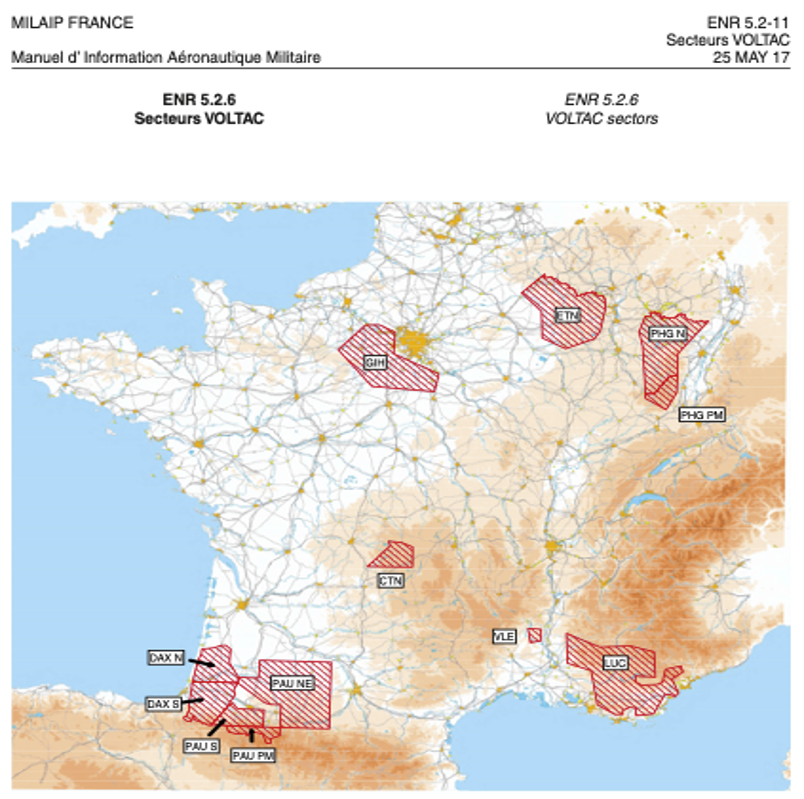
Voltac zones
News of 20 January 2020. Last updated on 9 May 2020: some information may have changed. Latest news
The VOLTAC sectors have now been made known to civil users since 13/12/2019. Here is the link to this publication:
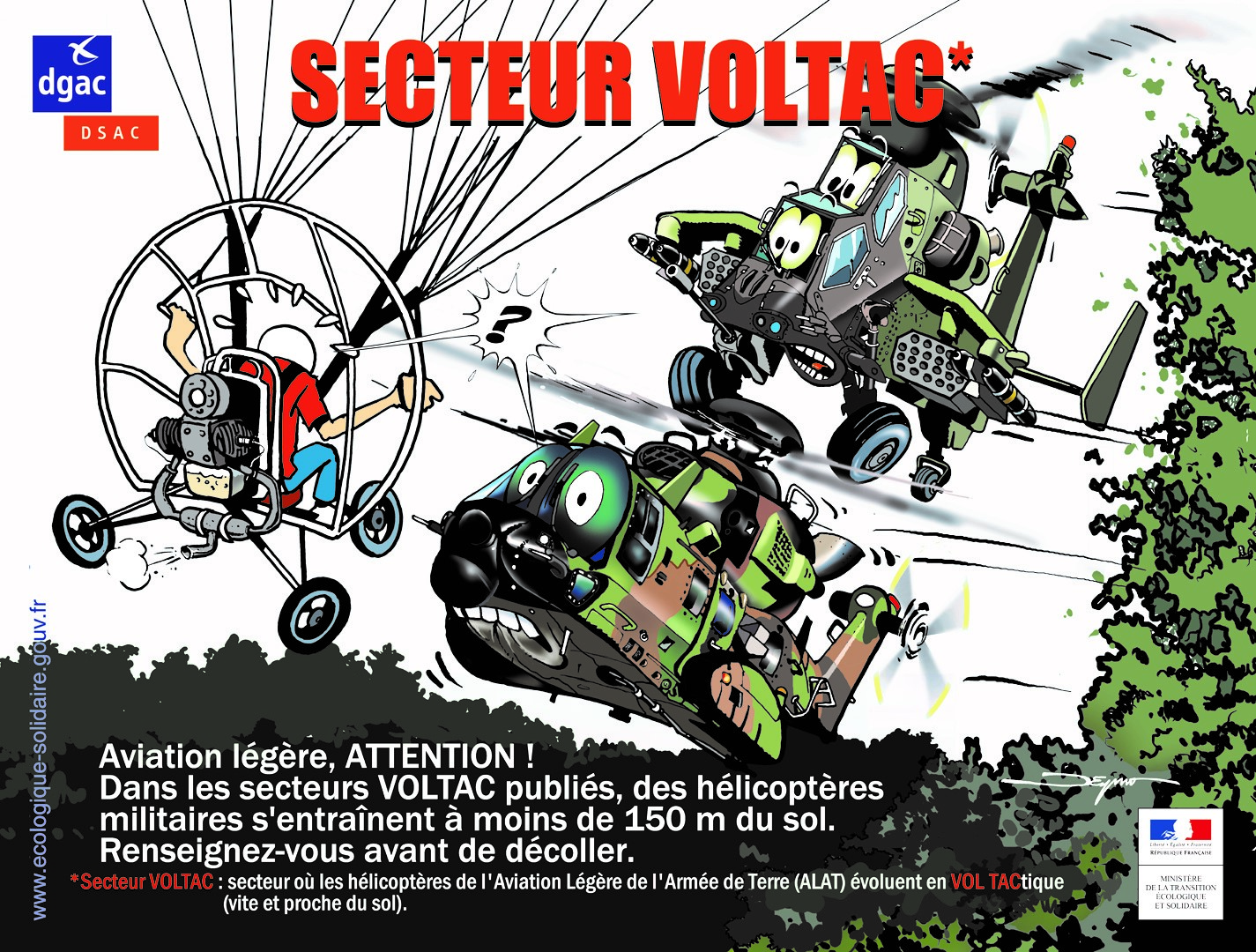
A quick reminder: VOLTAC sector
- A sector where French Army light aviation (ALAT) helicopters operate in TACtical flight (fast and close to the ground, between 0 and 150 m, 0 and 500 ft).
Access to information
This training takes place in the VOLTAC sectors published in the MIAM ENR 5.2 (Military Aeronautical Information Manual).
This information is available on the website of the Directorate of Military Air Traffic (DIRCAM):
https://www.dircam.dsae.defense.gouv.fr/fr/documentation-4/miam
From 27/02/2020, this information will be included in the AIP, part ENR 5.3
Characteristics
These particular flights have the following characteristics:
- At low height, between 0 and 150 m/500 ft ASFC,
- By day and by night,
- With single helicopters, in patrols (of 2 to 3) or in modules that can group up to 20 aircraft,
- Trying to blend into the terrain,
- Hovering behind cover (woods, relief),
- With camouflaged helicopters.
The desired effect is for the enemy to detect the aircraft as late as possible.
The resulting effect is that:
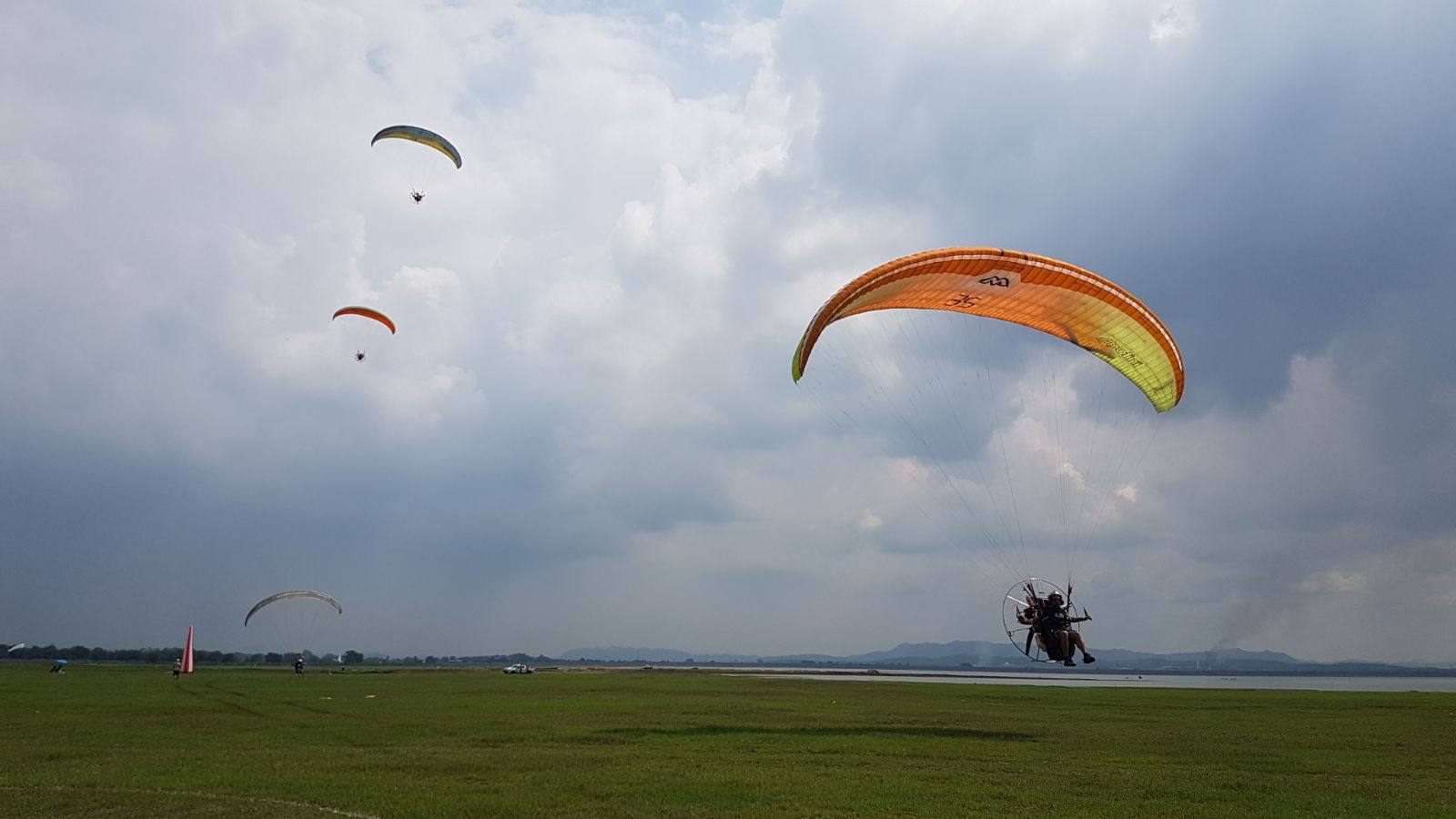
Taking off in a microlight such as a paramotor away from an aerodrome or listed site, or flying a drone or model aircraft in the countryside, calls for extra vigilance, particularly if these operations are hidden by vegetation or the lie of the land.
Visually, a ground lookout responsible for watching the surrounding airspace, or the pilot of a microlight, will detect a helicopter in tactical flight very late. The time to prevent a dangerous conflict will be very short and perhaps insufficient.
Even if they hear the helicopter, a paramotor pilot may find it hard to work out exactly where the sound is coming from, especially if there is wind.
Helicopter crews are able to apply "see and avoid" with respect to a crewed aircraft, but it is difficult.
You must therefore actively seek information about tactical flying activities, and not hesitate to phone ahead if you are planning low-level operations during these activities.
A quick reminder of the Rules of the Air
- In VFR flight, See and Avoid is the rule.
- Flight must always be conducted at a minimum of 500 ft above ground,
except for take-off and landing.
- For engine-failure exercises with an INSTRUCTOR, the height permitted is 50 m above ground, that is 150 ft.
Map of VOLTAC zones