






The Fayence case: something has to change!
News from 9 April 2019. Last updated on 10 April 2019: some information may have changed. Latest news
 The subject of defending airfields is always very complicated, because each situation is different and often hard to understand, with many parties involved and a local history of petty feuds that is not always admitted. Let us try to bring a little clarity.
First of all, this mainly concerns airfields open to public air traffic (CAP) that were formerly State property, about 400 of them. Our microlight strips (about 800) have problems, sometimes real ones, but much more limited. We must never forget this incredible regulatory asset that we have; it was, moreover, a weighty argument in defending our regulation at European level.
In 2007, the State handed the management of the aerodromes it owned over to local authorities. It was a trauma whose effects we still feel. Some authorities played the development card to the full (for example, the département for Blois-Vendôme), others chose closure (like Romilly-sur-Seine airfield), and others, thanks to the intelligence of local players and joint action within the CNFAS, found acceptable compromises after years of effort (the case of La Tour du Pin).
The main lesson is that defence can only be undertaken effectively by bringing together the airfield's players in a single association.
A lot of energy and time is lost through independent initiatives, often well-intentioned but counterproductive. Our airfields have no shortage of charismatic personalities, local notables and so on, who think they can sort everything out with a phone call or tacit agreements... but in the long run, that does not work! There remains the case where local players cannot agree. Two essential points, often forgotten, must then be recalled.
First, in 2007, by transferring ownership, the State also transferred obligations of general interest.
The airfields are not private; their management is entrusted to operators who must comply with rules that apply to everyone. This is, moreover, a point recalled by the CNFAS with the DGAC's support in the legal issues of the Pacte law in the context of the privatisation of ADP (and it will set a precedent). Next, local authorities (towns, communities of communes, départements...) entrusted the management of the airfield to a local player based there. For historical reasons, this player is very often an aeroplane or glider club, very rarely a microlight organisation (club or for-profit organisation). The ambiguity often comes from the fact that the authority is not really aware of the details of local difficulties or of how representative the players are.
Once all this has been recalled, we can talk about the "Fayence case", which is the symptom of what is wrong.
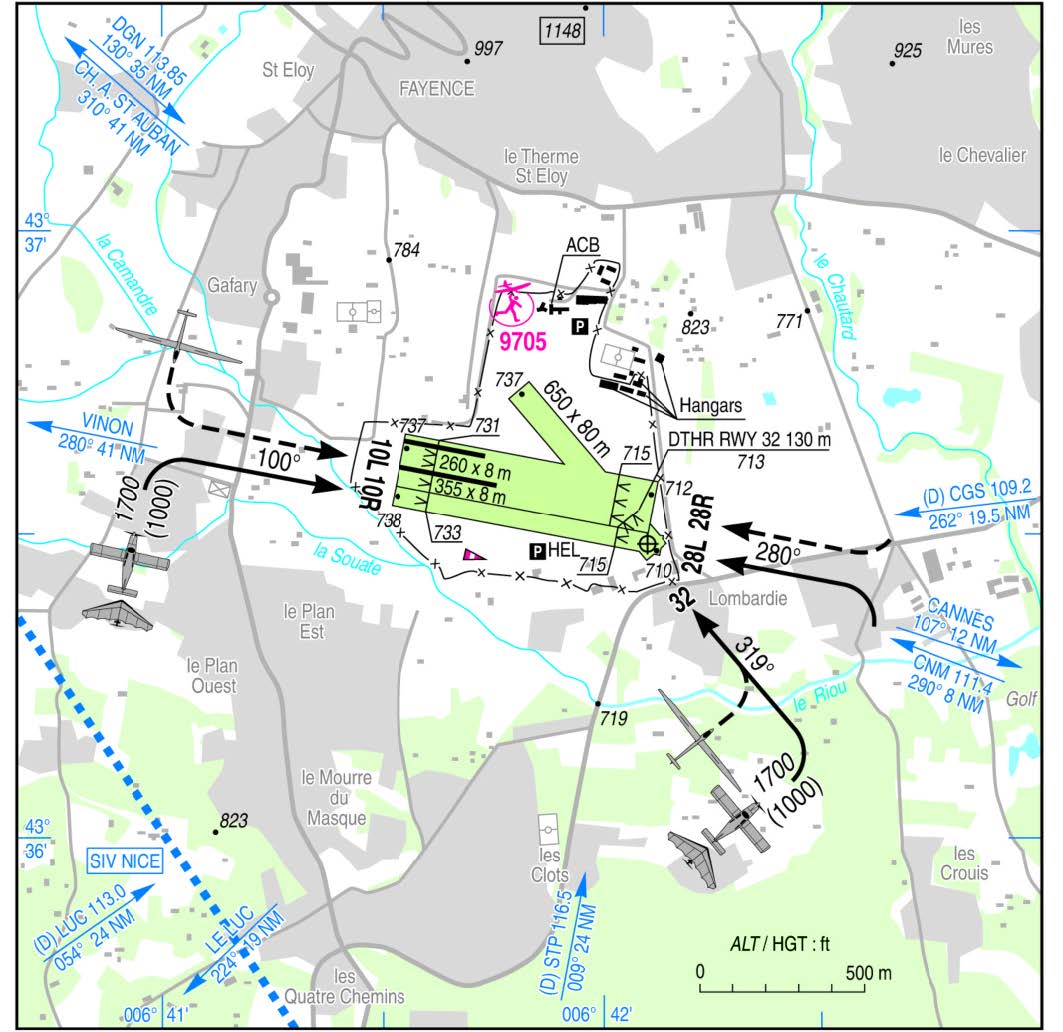
In 2007, the State entrusted the airfield to the local authority, which entrusted its management to the gliding association. Historically the airfield is mainly linked to gliding, with microlights present since 1992. Yet since 2013, all thirty microlights based at Fayence have been paying rent and still have no right to shelter their machines, which are parked outdoors in an unacceptable way. Several of them (about ten) have been destroyed, and others (more than ten) by the harsh local weather. The manager and the authority take remarkable care to ensure that nothing changes.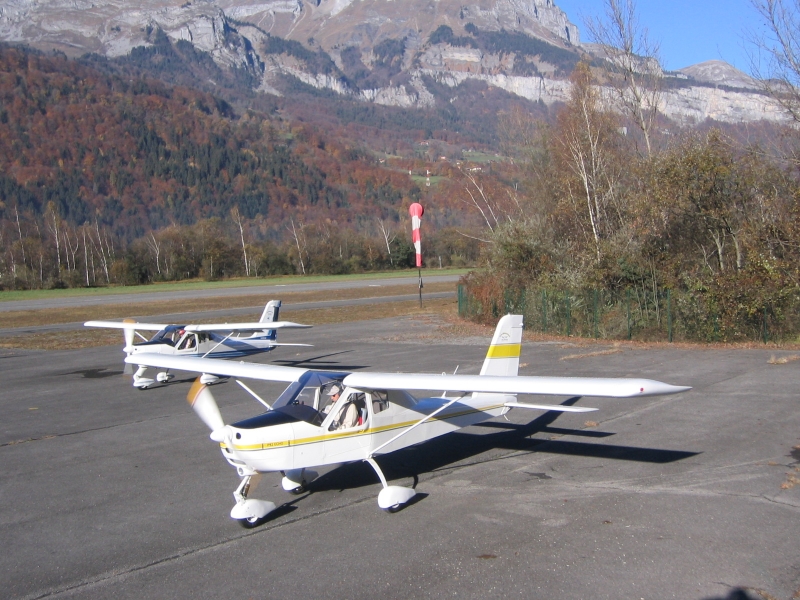
It is time to remind everyone of the meaning of the words "general interest". Fayence is not a private aerodrome; a VAC chart has sovereign scope, and defending one's turf in a caricatured way is not how activity is developed - quite the opposite (Gap-Tallard is a success story built on openness).
All the microlight players have therefore brought an action before the administrative court, both over unequal treatment between users and, above all, over an obvious flight safety issue. The Federation fully supports this approach, and we hope that local players and State representatives will realise how ridiculous and unfair the situation is! These blockages achieve nothing! Fayence, something has to change! In the ("general") interest of all!









