
Handivol
The essentials
- The FFPLUM Handivol division encourages microlight flying by people with disabilities, supports clubs in welcoming them and looking after their activities, and offers help and advice to pilots.
- The FFPLUM supports clubs and schools that organise introductory flying days for people with disabilities.
- The FFPLUM has set up specific financial support for people with disabilities who want to learn to fly.
The Handivol division's text
Handivol FFPLUM: Making the Sky Accessible to Everyone
The FFPLUM Handivol division encourages microlight flying by people with disabilities, supports clubs in welcoming them and looking after their activities, and offers help and advice to pilots.
An inclusive approach in the field of parasport that means accepting individual differences and taking them into account in activities so that people with disabilities can find their place in clubs.
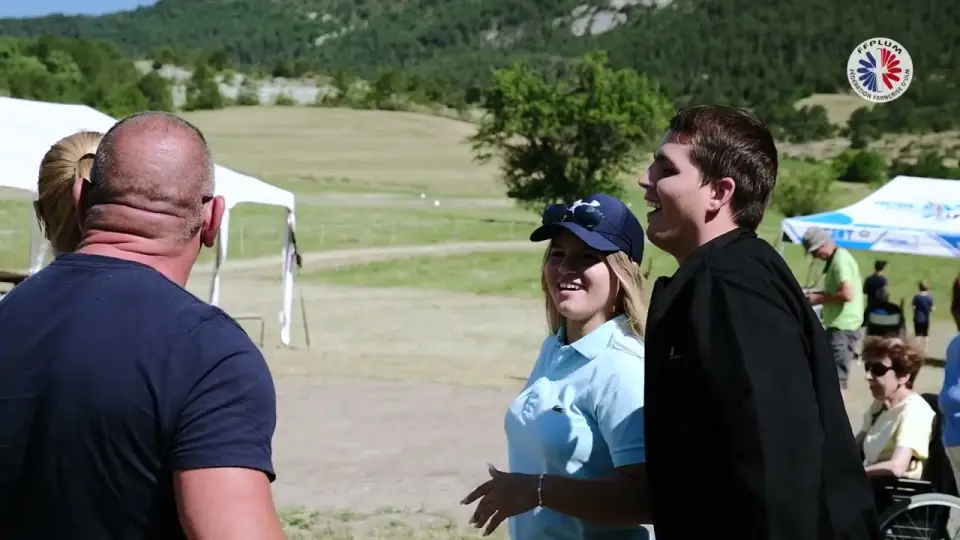
Discover flying
The pleasure of microlight flying is within everyone's reach, whatever the disability (physical, sensory, mental, psychological, autism spectrum disorders)
People with disabilities who discover microlight flying unanimously describe a feeling of freedom and escape …
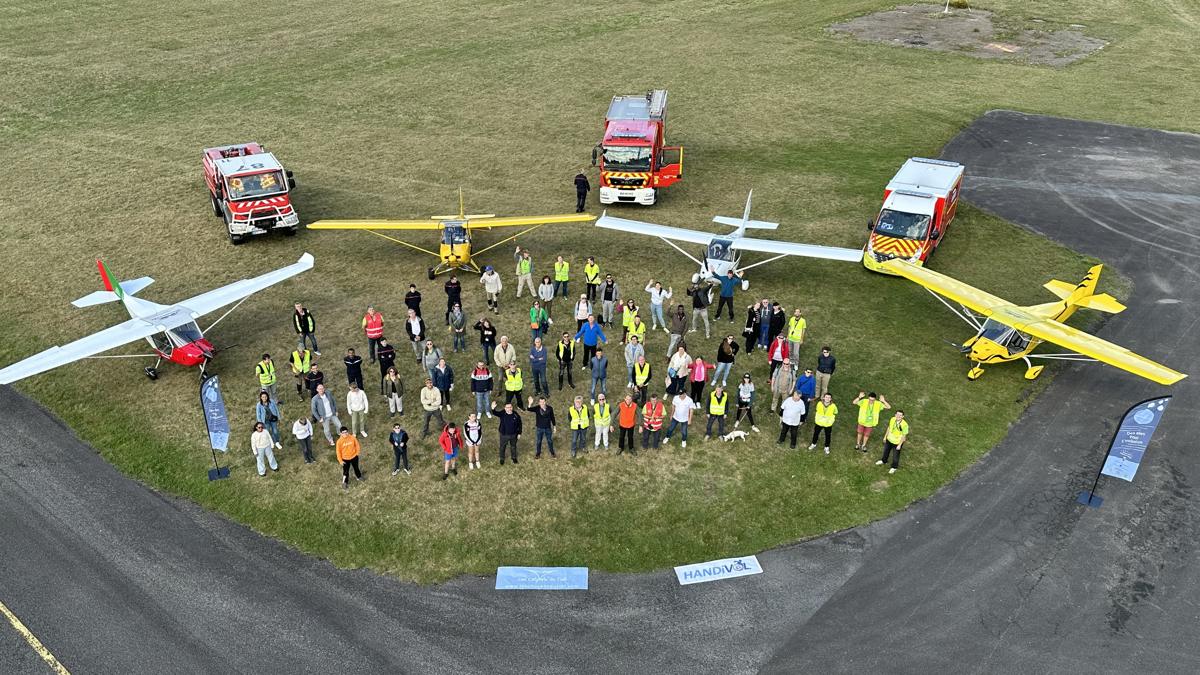
The FFPLUM supports clubs and schools that organise introductory flying days for people with disabilities.
Learn to fly
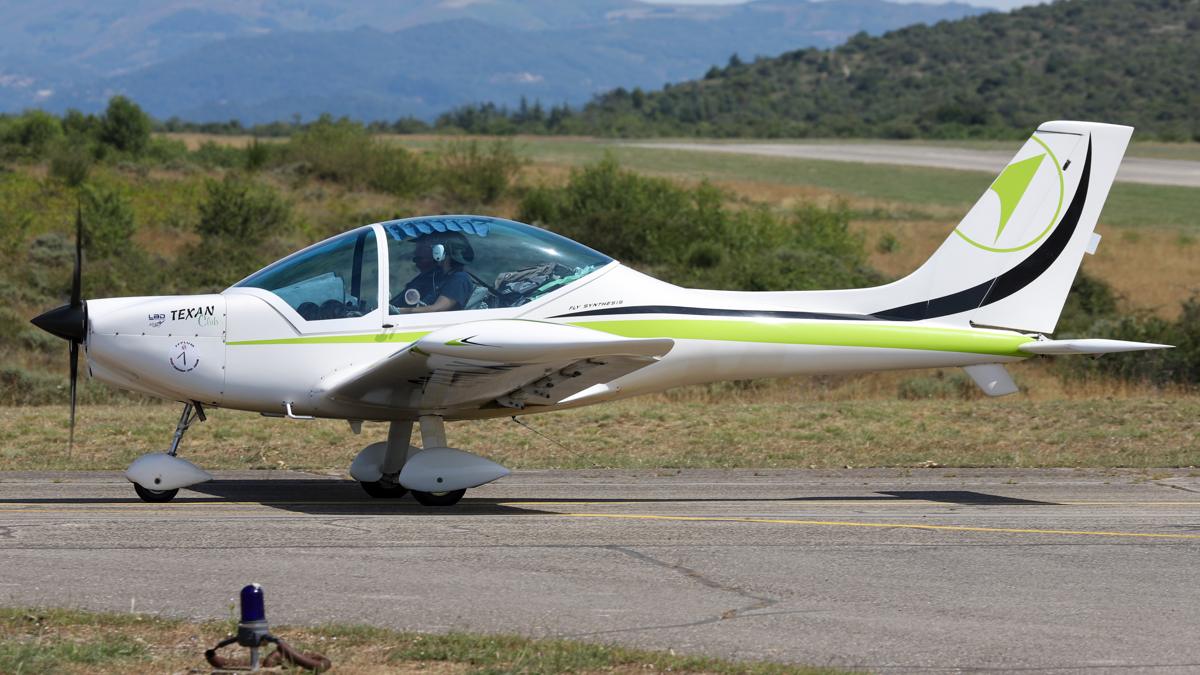
Flexible microlight regulations give a large number of people with disabilities access to flight training, thanks to the ways machines can be adapted, which offer compensating solutions.
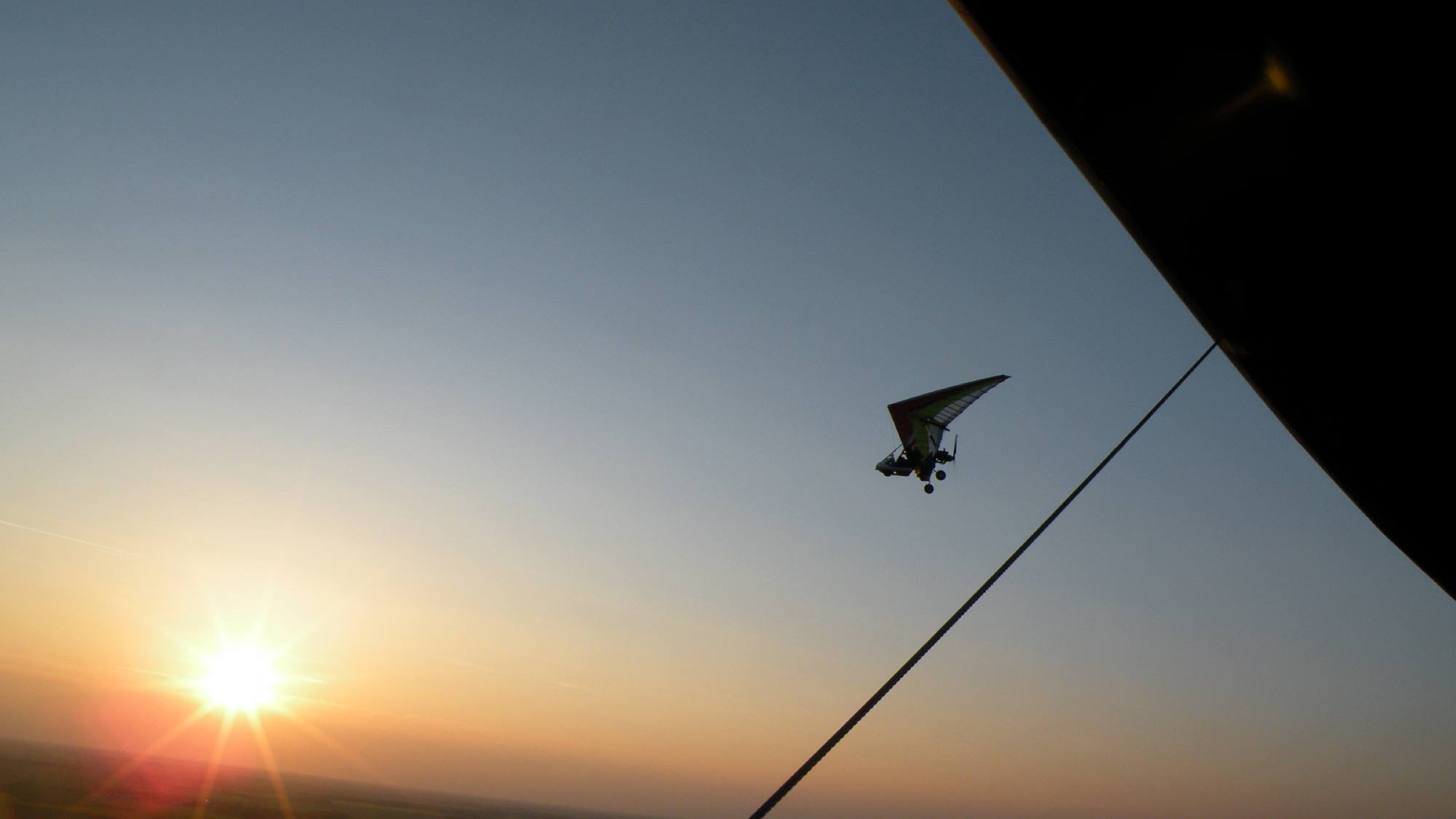
Until now centred mainly on three-axis microlights (class 3), "adapted flying" is spreading to other classes such as the trike paramotor (class 1) or the powered aerostat (class 5)
People with sensory disabilities (visually or hearing impaired) can also learn to fly through specialist associations set up to welcome them.
The FFPLUM has set up specific financial support for people with disabilities who want to learn to fly.
Become an instructor
Several people with disabilities have become microlight instructors thanks to adapted training. The Handivol division tops up the FFPLUM grant reserved for instructors.
Build or adapt a machine
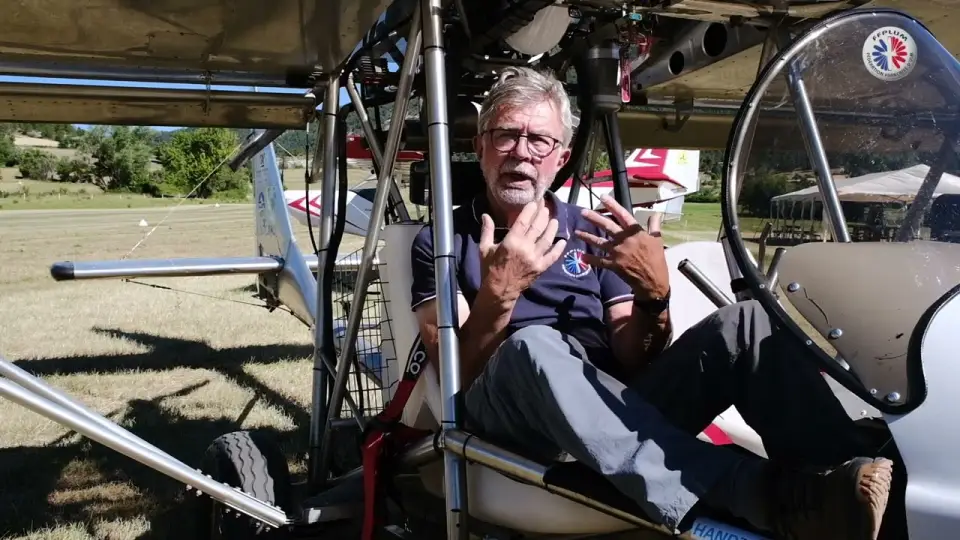
Microlight regulations allow made-to-measure construction so that the aircraft can be adapted to the disability. Several professional and amateur builders have done so.
Partnerships to widen access to flying
The FFPLUM supports innovative inclusive projects through partnerships with organisations such as "Les Citoyens du Ciel" (young people with disabilities), "Audace Handi Evasion" (class 5 powered aerostat accessible to wheelchair users), "Backbone" (adapted trike paramotor)
Adapted flying
Three classes already open
Until now centred mainly on three-axis microlights (class 3), "adapted flying" is spreading to other classes such as the trike paramotor (class 1) or the powered aerostat (class 5).
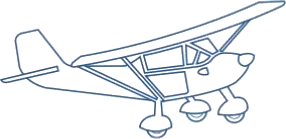 3Class 3 · Three-axisUntil now, the most common type of flying
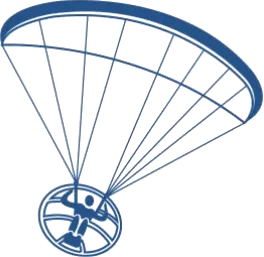 1Class 1 · Trike paramotorFlying is spreading to this class
- 5Class 5 · Powered aerostatFlying is spreading to this class
People with sensory disabilities (visually or hearing impaired) can also learn to fly through specialist associations set up to welcome them.