







The Analyst's analysis - BSV no.55
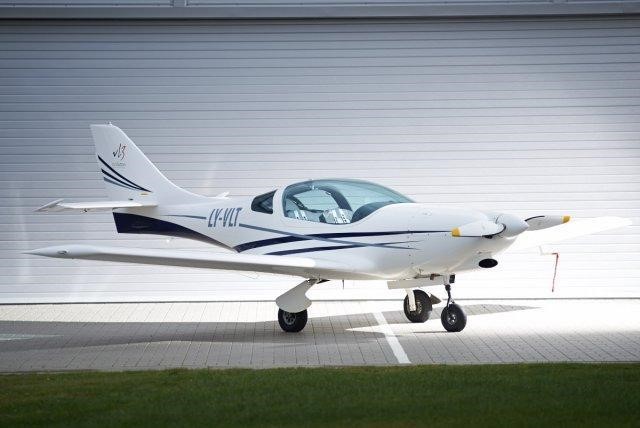
On 30 April 2017, the pilot of a VL3 microlight, with one passenger, takes off at about 16:00 from the Fréjus microlight airfield, flying together with another VL3.
Aged 69 and with 1 000 flying hours as a private aeroplane pilot, 200 of them on this type, he held no aerobatics rating but had taken part in an introductory session.
At an altitude of about 700 ft, he made a pull-up and a left turn reaching 90° of bank, acceleration rose to 3,7 G and speed fell to 80 kt; after a full turn, the pilot resumed a southbound climbing path.
At 1 040 ft, he performed the same figure, a pull-up and a left turn with a steep 90° bank; this time speed fell to 65 kt and vertical acceleration rose to 3,7 g.
The microlight stalled asymmetrically on the left wing and entered a spin, and the pilot could not regain control before hitting the ground. According to witnesses aboard the other aircraft, it made six to seven turns of spin.
The VL3 is a two-seat single-engine composite microlight that is not approved for aerobatics. Aerobatic figures, spins and intentional stalls are prohibited and the standard 60° limit must not be exceeded. According to the flight manual, the wings-level stall speed is 40 kt in clean configuration.
With a wings-level stall speed of 40 kt for the VL3, a speed of at least 77 kts would have been needed to avoid stalling (40 x √3,7 = 77 kt); with a speed of 65 kt during the second manoeuvre, the spin was unavoidable...
No legal or administrative text of general scope regulates the practice of aerobatics in a microlight, but the order of 23 September 1998 on motorised ultralight aircraft states that a microlight’s characteristics and use are defined by its “Identification sheet” and its “Operating manual”.
In general, the operating manuals of French-registered microlights explicitly state that aerobatics is prohibited. It is therefore not enough for a microlight to be able to withstand positive or negative X or Y accelerations to settle the matter.
An aircraft designed for even basic aerobatics is something quite different from mere structural strength.
To conclude, once again, the speed reached during this manoeuvre was well below the stall speed at that bank angle and load factor. The aim of this analysis is to warn microlight pilots against any urge to improvise flying at the limits on the pretext that their aircraft is strong, when it was not designed for it.
Our perception of risk drawn from experience is essential in a field where we live alongside risk constantly, but it is not enough to justify freeing ourselves from certain rules or practices based on common sense and prudence.
Overconfidence ends up making flying attitudes where there are no margins left seem normal; let us stay within our field of competence, as everyone’s safety depends on it.
Laurent Kerbrat
Flight Safety Analyst
Editorial
 SGS 2019
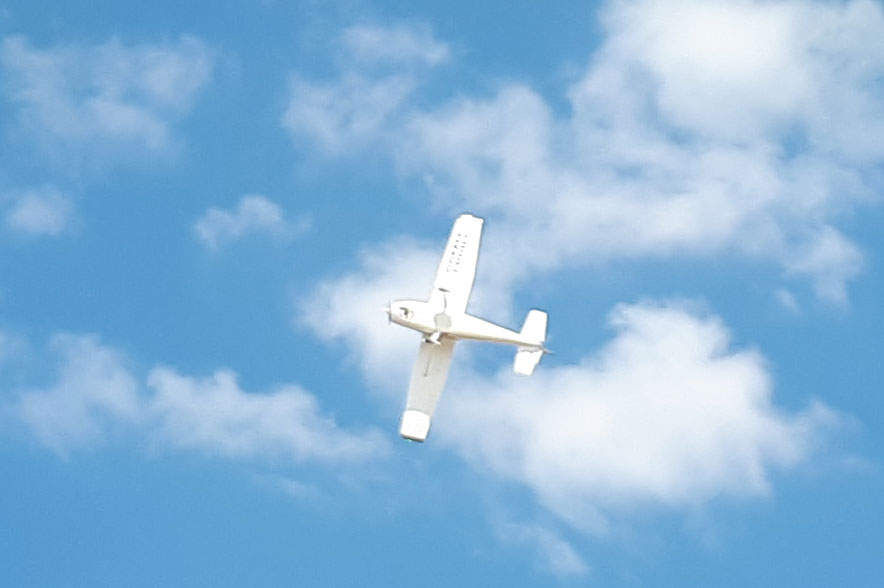
As at the end of every year, we must present the accident review and the safety actions planned for the coming year.
First of all, it is important to remember that we are answerable to the Authority for implementing an SMS (Safety Management System)…
Training Corner
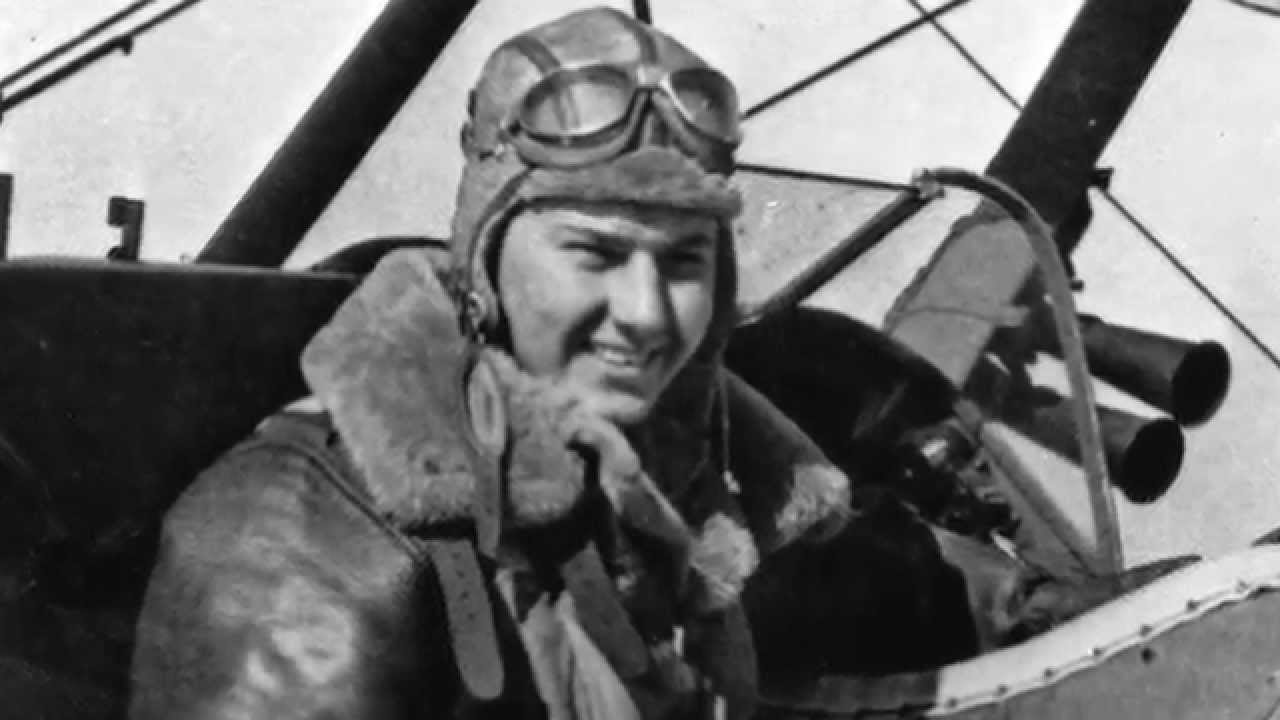
There are no new ways of getting killed; we just repeat the same mistakes again and again...
BOB HOOVER
Safety in Figures
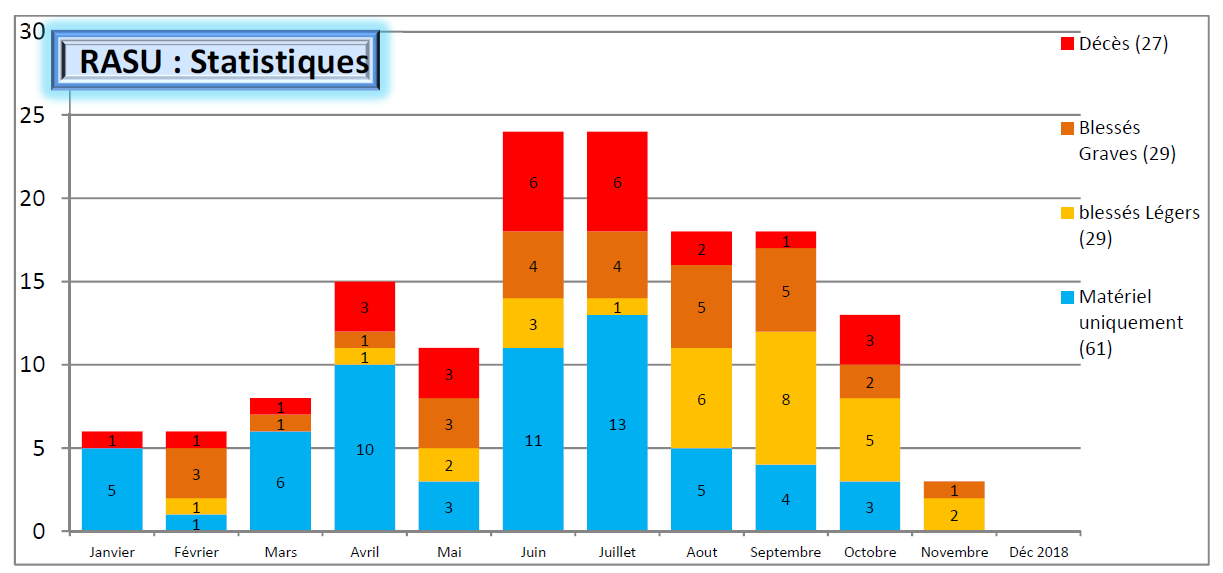
The table below summarises the accident statistics recorded from 1 January to 30 November 2018, ranking casualties by severity and distinguishing purely material-damage accidents.
The Mechanic's Tutorial
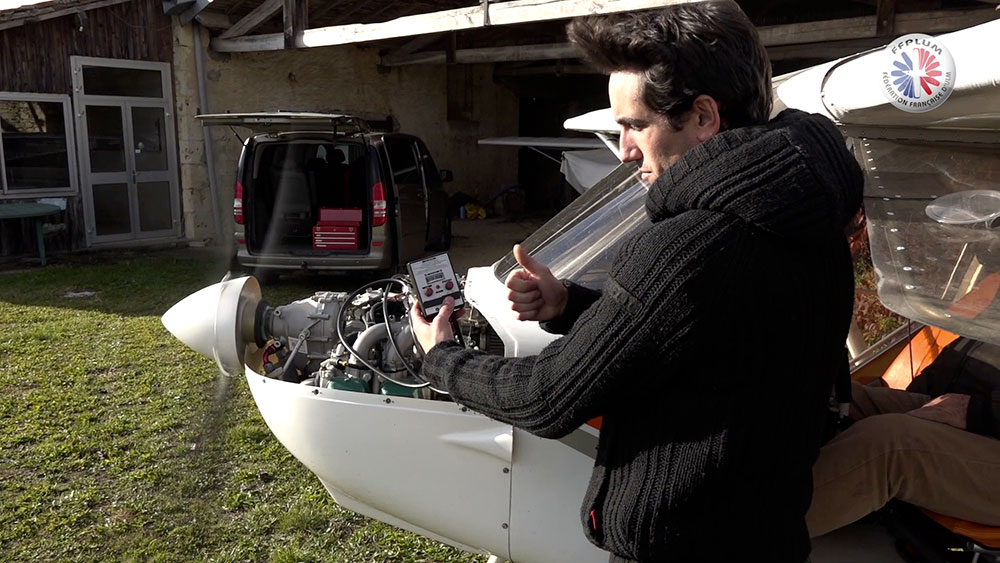
Here is the second episode of season 2 of the "mechanic's tutorials"! In the superb CNFTE workshop in Lectoure in the Gers, Thomas Gadaud and Pierre Pouchès "Peyo" remind us why it is so important to understand how carburettors work. This component is essential for controlling engine speed, provided it is perfectly synchronised with the second one.
What about doing a REV? > video guide
A question about the REV programme? > see our dedicated FAQ









