







Editorial - BSV no.55
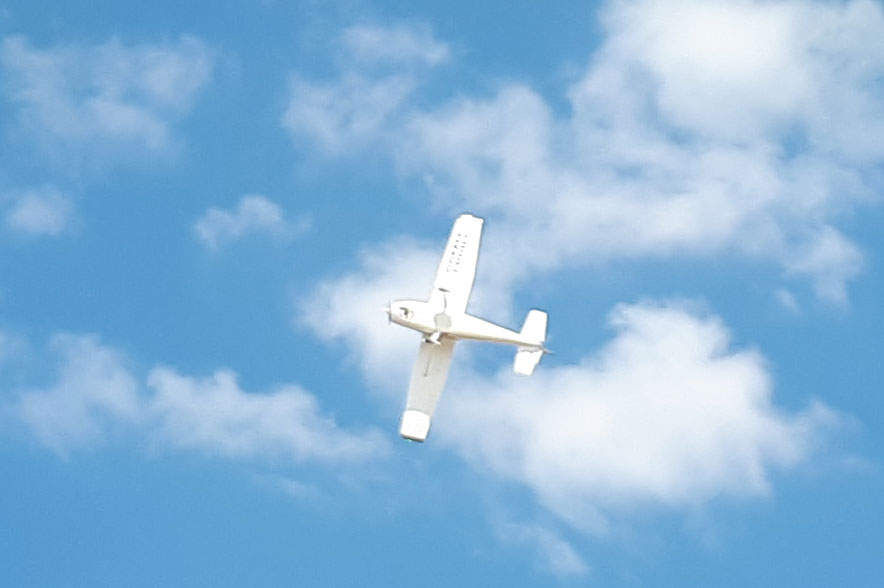 SMS 2019
As at the end of every year, we must present the accident review and the safety actions planned for the coming year.
First of all, it is important to remember that we are accountable to the Authority for implementing an SMS (Safety Management System), which requires us in particular to monitor our accident record, present statistics, and analyse, comment on and publish BEA analysis reports.
It is therefore essential that all incidents or accidents be brought to our attention, even though we are exempt from the regulatory obligation that falls on certified aviation.
How can we plan effective, appropriate safety actions if we do not have your feedback?
For this, you have the REX, you can also contact your regional Flight Safety Officer (see the directory on the federation’s website, under Safety, the Flight Safety Officer tab, then Directory), and finally the e-mail address securite@ffplum.org lets you send the Flight Safety Committee any information on improving flight safety. This address is read only by members of the Flight Safety Committee, so you are guaranteed that your anonymity will be preserved.
In addition, for 2019 we have decided to change the presentation of the cumulative accident summary table that you find every month in the BSV.
Indeed, following the BEA’s practice, we will now highlight the number of accidents and incidents rather than the number of victims. The number of accidents is a more relevant figure for comparing and judging results, whether for the Flight Safety Committee internally, looking at the figures from one month to the next and one year to the next, but also and above all for assessing the relevance of our flight safety policy compared with other forms of aviation.
This year 2018, from an accident-record point of view, is a slight improvement on 2017 and well below the average of the last ten years.
However, we see that we are marking time and that, as every year, it is hard to bring down accident numbers in the months of heavy activity such as the summer months.
REV is an effective answer to this problem, and in 2019 one of the objectives will be to increase the number of REV flights by opening the scheme to more people.
Be fully convinced that thinking REV and then doing a REV flight is putting every advantage on your side to fly safely!!
As regards the typology of 2018 accidents, losses of control on the ground and in flight are one of the major causes of this year’s serious or fatal accidents.
These losses of control are often the consequence of a precursor factor with various causes, and occur mainly after poor handling of the microlight and its flight path following a failure, and flights in turbulent conditions because of a poor assessment of the weather.
Finally, lack of practice, experience and skill on one’s microlight also account for a significant share of accidents involving loss of control.
That is why one of the main thrusts of the federation’s flight safety policy in 2019 will be to strengthen the measures to drastically reduce losses of control.
To this end, the subject will be systematically addressed at regional safety meetings, and we encourage instructors to reinforce student pilots’ training in technical skills accordingly. For licensed pilots, regular practice and training, and a REV flight, are a prescription I strongly urge you to follow.
For this last BSV of the year, the whole team of the federal Flight Safety Committee joins me in wishing you an excellent end-of-year holiday season and many fine, safe flights!!
Eric Galvagno
Head of the Flight Safety Committee
Training Corner
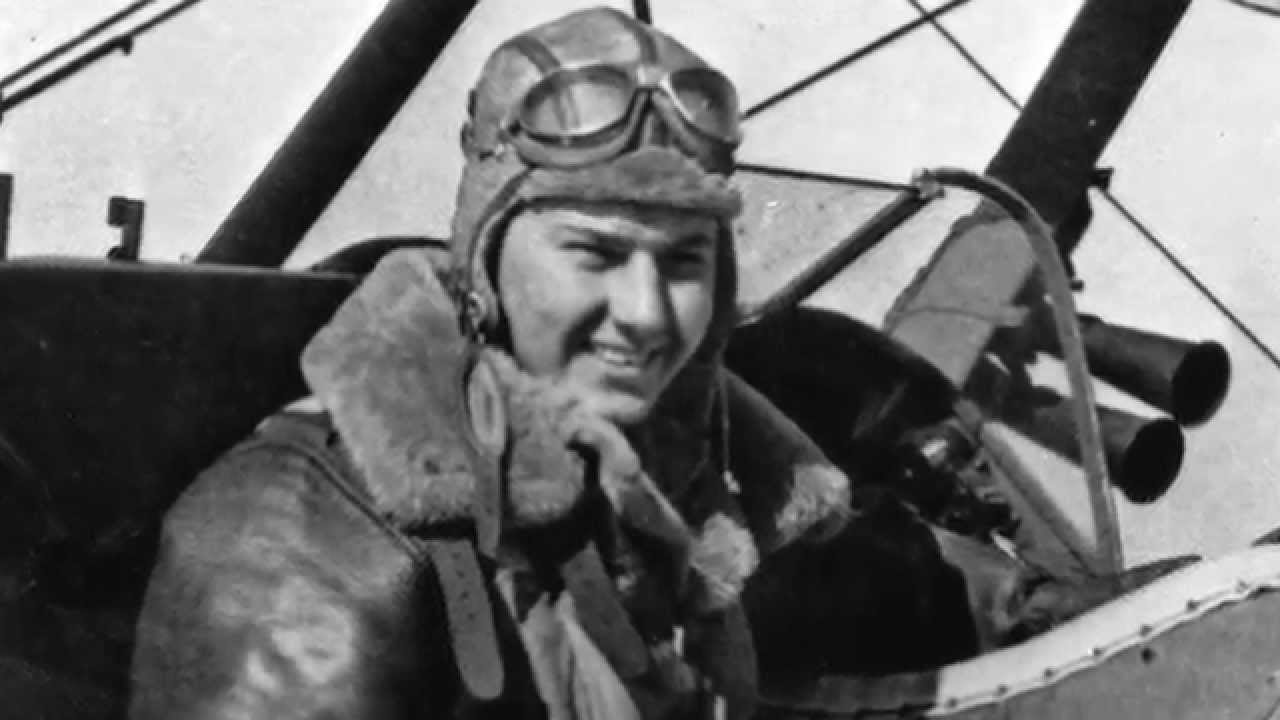
There are no new ways of getting killed; we just repeat the same mistakes again and again...
BOB HOOVER
The Analyst's analysis

On 30 April 2017, the pilot of a VL3 microlight, with one passenger, takes off at about 16:00 from the Fréjus microlight airfield, flying together with another VL3.
Aged 69 and with 1 000 flying hours as a private aeroplane pilot, 200 of them on this type, he held no aerobatics rating but had taken part in an introductory session.
Safety in Figures
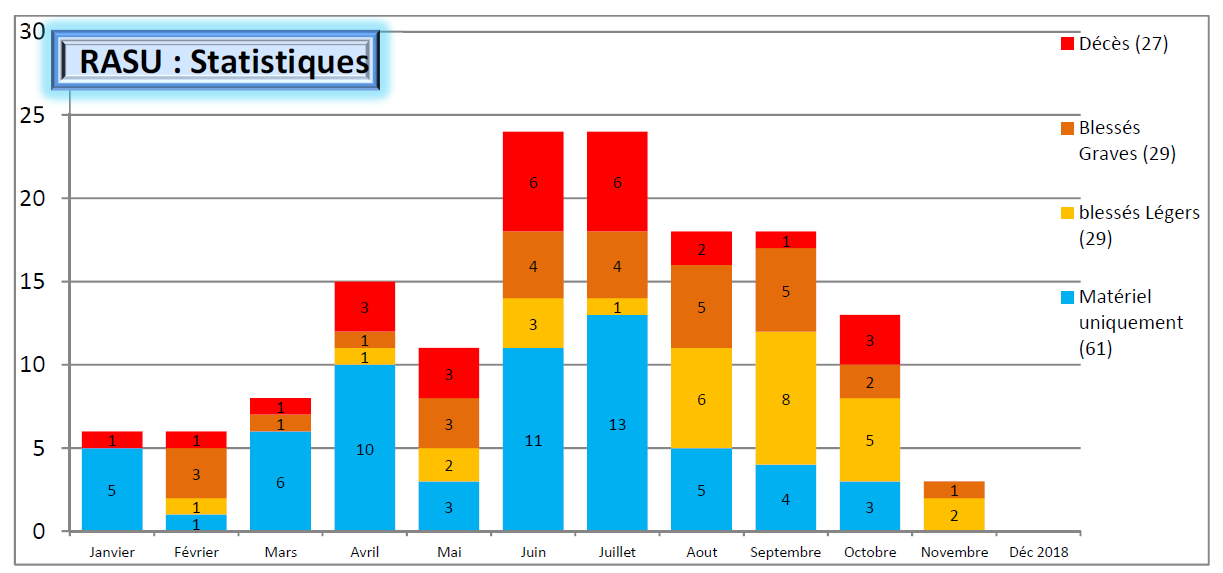
The table below summarises the accident statistics recorded from 1 January to 30 November 2018, ranking casualties by severity and distinguishing purely material-damage accidents.
The Mechanic's Tutorial
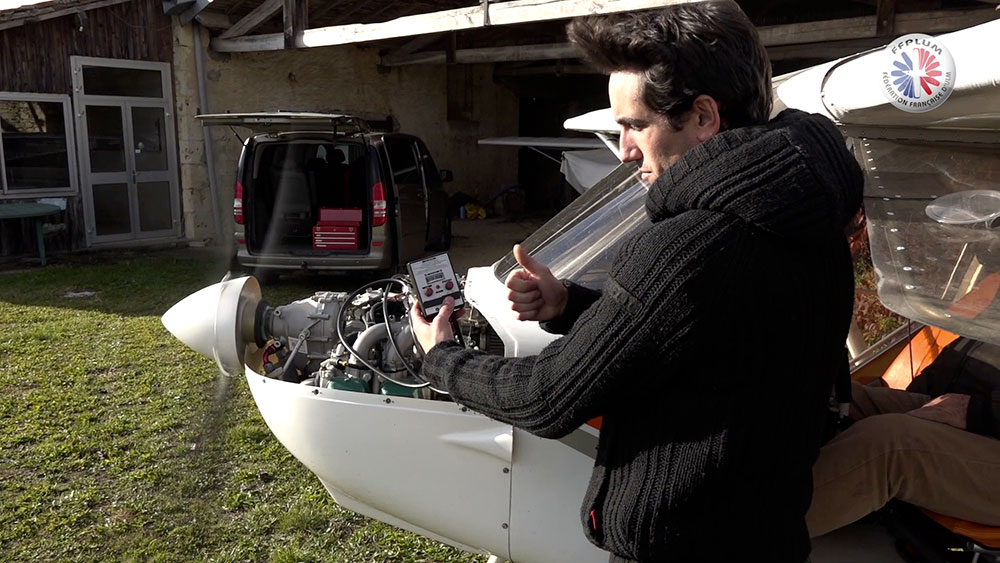
Here is the second episode of season 2 of the "mechanic's tutorials"! In the superb CNFTE workshop in Lectoure in the Gers, Thomas Gadaud and Pierre Pouchès "Peyo" remind us why it is so important to understand how carburettors work. This component is essential for controlling engine speed, provided it is perfectly synchronised with the second one.
What about doing a REV? > video guide
A question about the REV programme? > see our dedicated FAQ









