






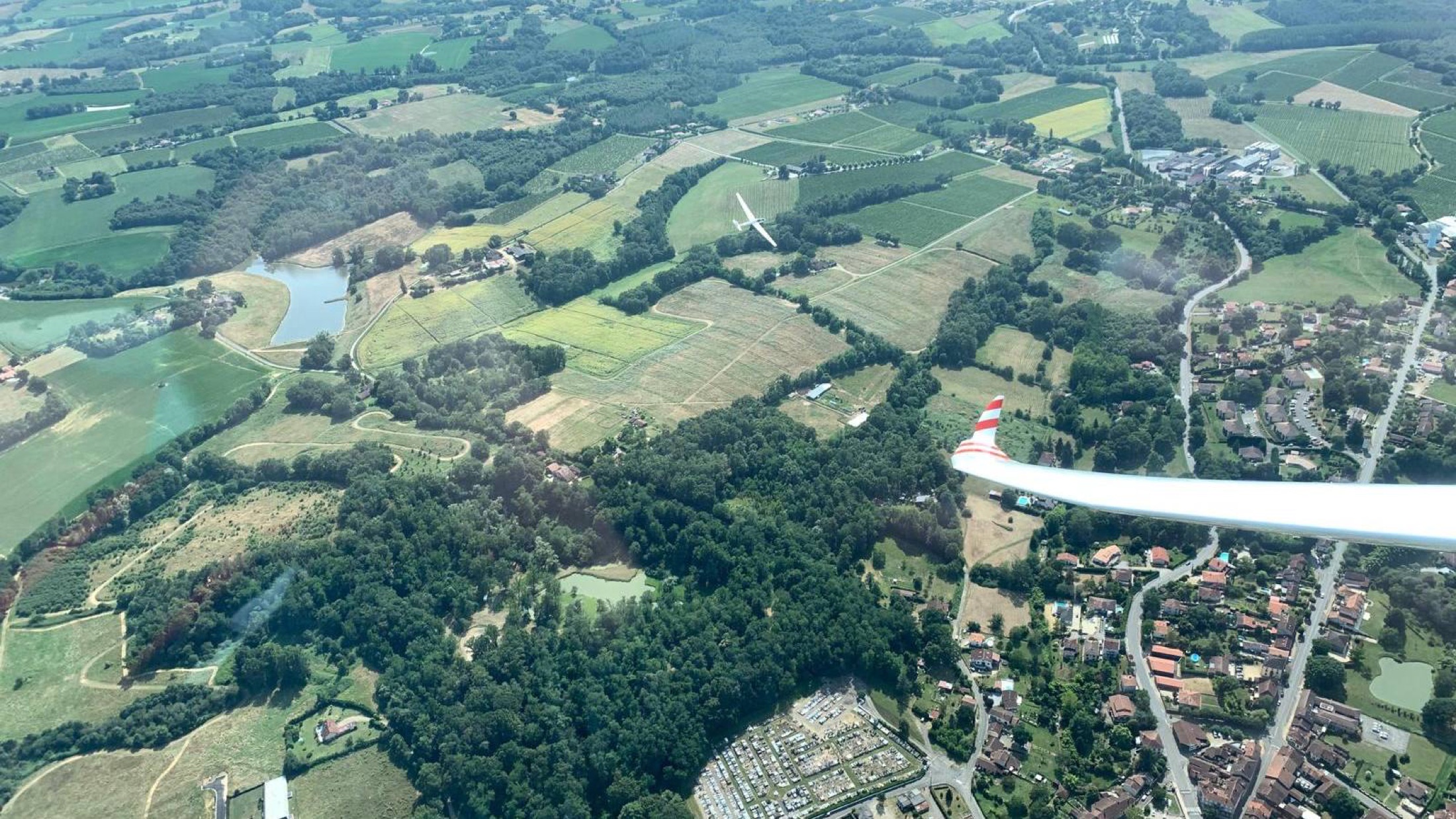
Safety in Figures - BSV no.58
The table below summarises the accident statistics recorded from 1st January to the end of February 2019, classifying casualties by severity and distinguishing accidents involving material damage only.

The monthly statistics are updated with the latest known information (see the chart below), although not all minor accidents may appear for the current month because they sometimes reach us late.
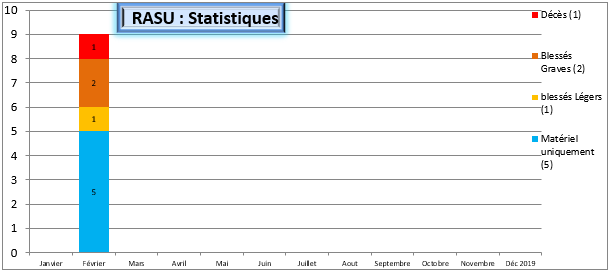
The season is getting under way again and, sadly, we have had to record the first fatal accident of the year. The circumstances are not yet clearly known, but according to initial information reduced visibility may have contributed to this accident. We would point out that accidents caused by reduced or non-existent visibility have happened before, particularly in sea mist, which can catch pilots out very quickly.
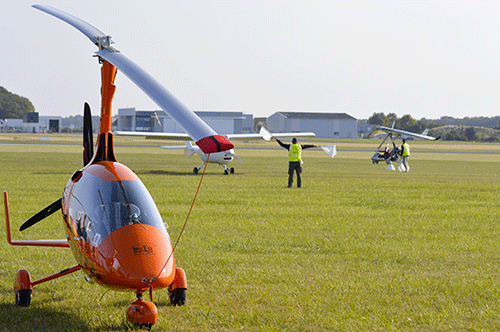
Among the other accidents at the start of the year, we find the case of an aircraft destroyed following an uncontrolled engine run-away on the ground. As a reminder, on the ground any engine run-away should be dealt with by an immediate ignition cut-off, which means it is necessary to practise this beforehand.
We once again urge pilots to be very vigilant, and we suggest a thorough check of the aircraft at the start of the season, together with a REV for pilots who wish to take one.
We wish everyone a gentle return to flying.

Pierre Kolodziej
Flight Safety Committee

MICROLIGHT QUIZ
This year, we will focus our flight safety improvement policy on preventing loss of control in flight, rigorous application of procedures and keeping theoretical knowledge up to date. This last point is essential for flying safely and is something to work on throughout the year.
That is why we are offering you this 40-question QUIZ so you can test your knowledge.
Training corner
Every month we publish the accident figures. Some of these are, sadly, harder to read: those that represent our fellow microlight pilots who are no longer with us and those who have been seriously injured. For these, our figures are about 100% reliable, as the data is passed to us by the DGAC and the BGTA.
The Analyst's analysis
REX - Contamination by white frost
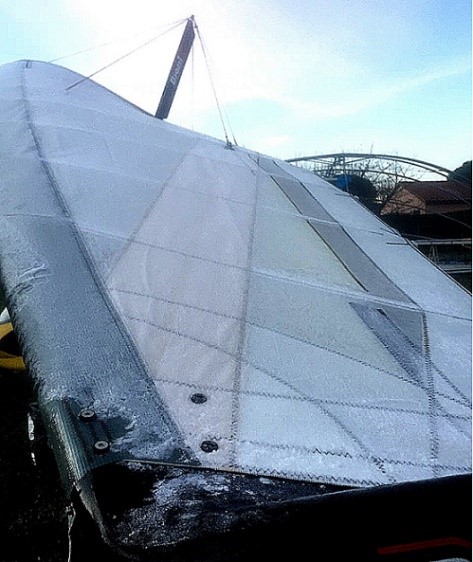
At the end of 2017, a weight-shift microlight pilot decides to make an early-morning flight to Bagnères-de-Luchon. The weather is very good and the day looks promising. For technical reasons, the machine had been left stored outside, though protected, because the cover of the AéroBulle that normally shelters this microlight was being replaced. During the morning pre-flight check, the pilot notices a thin film of white frost over the whole upper surface of the wing, particularly on the right wing.
What about doing a REV? > video guide
A question about the REV programme? > see our dedicated FAQ









