Skip to content
French Microlight Federation
Home
Flying Entry to the Flying section

Fly

What is microlighting?Where to fly?Licence and insuranceMedicalHandivolMechanics

Become a pilot

The pilot certificateMicrolight examTrainingTrial flight

Regulations

Regulatory documentsAirspacePlan your flightsAirfieldsOPS ULM — order of 17/02/25

Federation support

Support for young peopleThe BIAGrants
Instruction Entry to the Instruction section

Network

Clubs and schoolsInstructors

Instructors

Microlight instructor trainingList of instructors by départementKnowledge refresherThe teaching programmeTeaching and technical sheets
Sport
Safety Entry to the Safety section

Prevention

DirectivesParachutesFederation prevention

Safety reports

REX — submit and browseFlight Safety BulletinReturn to Flying (REV)ECCAIRSCSV flight safety officersList of REX reports

Alerts

Safety news

Files and quizzes

Good practice
News Entry to the News section

Read

Federation newsULM Info — the magazineClub life

Calendar

EventsSubmit an eventFederation events

Media

Documents to downloadPractical guides

Stay informed

Frequently asked questions
The Federation Entry to the Federation section

The institution

Elected membersThe divisionsRegional committeesThe DTNEthics and professional conductSafeguarding in microlightingThe federation in figuresOfficial textsGeneral Assembly

Federation events

The Youth Microlight Tour (Tour ULM Jeunes)Microlight World ChampionshipsFesti'ULM

Join us

RecruitmentContact
Report Member area Federation shop Site map 2026 Licence

FlyingFly

Mechanics

Maintaining your own machine, to the highest standards: the federation's mechanics courses, run in the regions, and the video tutorials.

Fly

Maintaining your own machine, to the highest standards: the federation's mechanics courses, run in the regions, and the video tutorials.

The federation's mechanics programme

Self-reliant with your machine

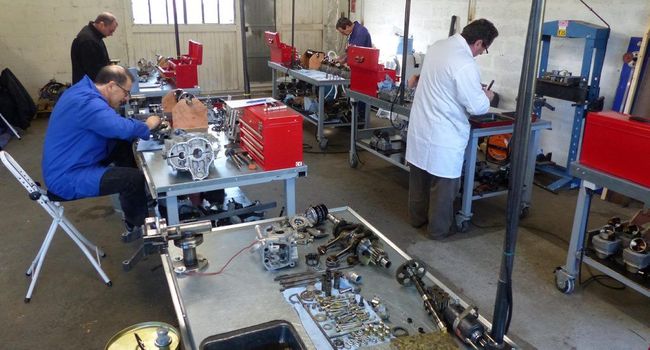
Courses co-organised in the regions by the FFPLUM with the regional committees and recognised microlight mechanics specialists, for pilots of all levels.

  • 3course levels: initial, level 1, level 2
  • 2 and 4-stroketwo families of engines
  • 5video mechanics tutorials
  • > 8 500trainees met by Pierre Pouchès "Peyo" in the old CNFTE course format
  1. 01

    Acquire basic skills in maintaining your machine.

  2. 02

    Troubleshoot and maintain your machine to professional standards.

  3. 03

    Increase your technical knowledge of maintaining your machine.

In our view, these three objectives allow pilots, whatever their level of knowledge, to understand the subject better and to rely on a network of competent people.

The courses

From your first carburettor to major work

  1. 0Initial

    4-stroke

    The basics of theoretical mechanics for students and pilots

  2. 1Level 1

    4-stroke2-stroke

    • Maintenance and minor repairs
    • Adjustments
    • Carburettors
    • Ignition
    • The cooling system
    • Lubrication and oils
    • Fuels
    • Regulations
  3. 2Level 2

    4-stroke2-stroke

    Mechanics and major work depending on the engine type

Register

  1. Dates

    Dates are put forward by the regional committees in the federation calendar.

  2. Registration

    Pilots register through the Member area. Registration includes the details of the day's schedule and a contribution towards the cost of running the course.

  3. Places

    A set number of participants is fixed for each course.

Upcoming courses

The dates of mechanics courses are published by the regional committees in the federation calendar.

The federal calendar

Mechanics

The essentials

  • Microlight regulations assume that the pilot-owner is responsible for maintaining their machine. They can of course use professionals, but they must be able to carry out most of the maintenance on their machine themselves.
  • It is also continuing training offered to improve flight safety.
  • Pilots register for the courses through the federation's Member area, which brings together all the information needed.

The federation programme, in detail

Mechanics Course
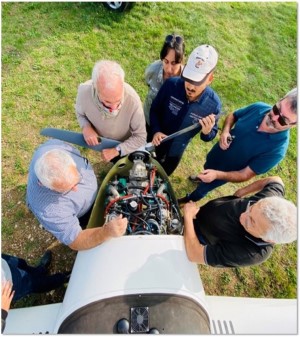
mechanics course

The FFPLUM is starting its courses on the mechanical maintenance of machines, drawing on recognised microlight specialists.

As part of the federation's missions, and particularly through the training pathway for licence holders, it is updating its range of mechanics courses.

Microlight regulations assume that the pilot-owner is responsible for maintaining their machine. They can of course use professionals, but they must be able to carry out most of the maintenance on their machine themselves. We need to ensure self-reliant competence in the interest of all pilots.

The aim of the approach is to meet members' needs with an accessible maintenance programme suited to microlight practice. It is also continuing training offered to improve flight safety.

The Regional Microlight Committees and mechanics specialists become partners in the federation's approach, meeting the needs of the field and of licensed pilots.

Pilots register for the courses through the federation's Member area, which brings together all the information needed.

  • REMINDER OF THE OBJECTIVES

The federation's mechanics programme consists of promoting and organising courses co-organised in the regions by the FFPLUM through its partner network, with the following objectives:

  • Acquire basic skills in maintaining your machine.
  • Troubleshoot and maintain your machine to professional standards.
  • Increase your technical knowledge of maintaining your machine.

In our view, these three objectives allow pilots, whatever their level of knowledge, to understand the subject better and to rely on a network of competent people.

  • TYPES OF COURSE

To begin with, from 2023 a range of simple course types ( 1 & 2) will be offered, with further development during 2024 (3 & 4):

COURSES TYPE CONTENT
INITIAL

4 times

The basics of theoretical mechanics for students & pilots

LEVEL 1

4 times

Maintenance and minor repairs, adjustments, carburettors, ignition, the cooling system, lubrication and oils, fuels, regulations

2 times

LEVEL 2

4 times

Mechanics and major work depending on the engine type

2 times

  • CALENDAR
  • Dates will be put forward by the regional committees in the federation calendar.
  • A registration system via the Member area will be activated to make it easier for members to take part.
  • Registration will include the details of the day's schedule and a contribution towards the cost of running the course.
  • A number of participants will be fixed.
> CNFTE

The Mechanics Tutorials
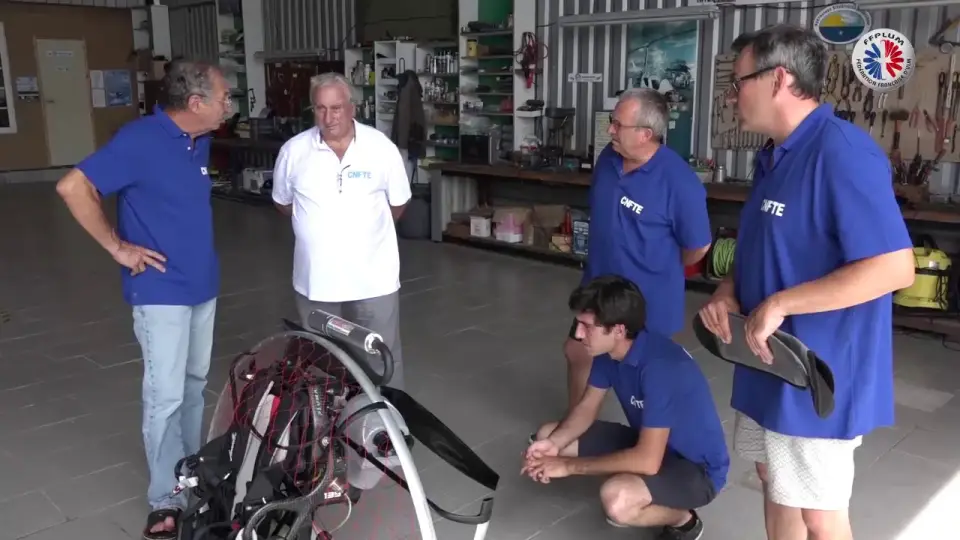
YouTube video: playing it loads it from YouTube (Google), which receives your IP address and sets its trackers. Your consent will apply to YouTube videos on this site for six months. Manage my cookies
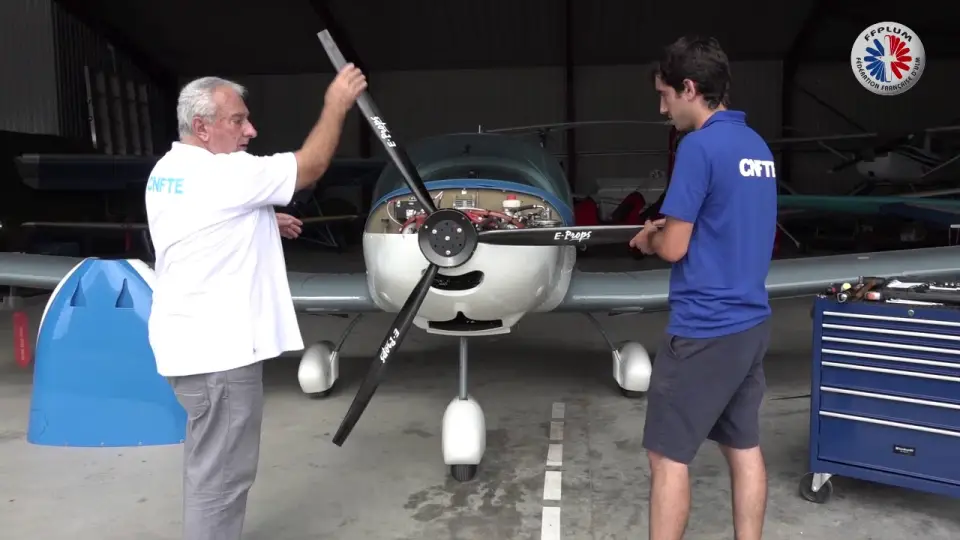
YouTube video: playing it loads it from YouTube (Google), which receives your IP address and sets its trackers. Your consent will apply to YouTube videos on this site for six months. Manage my cookies
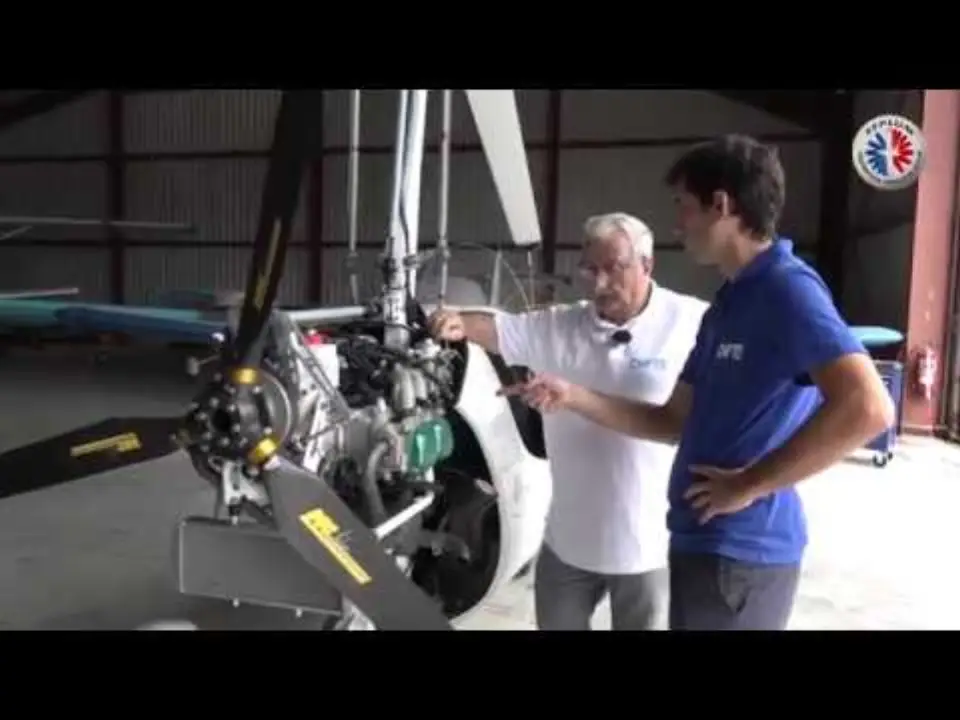
YouTube video: playing it loads it from YouTube (Google), which receives your IP address and sets its trackers. Your consent will apply to YouTube videos on this site for six months. Manage my cookies
YouTube video: playing it loads it from YouTube (Google), which receives your IP address and sets its trackers. Your consent will apply to YouTube videos on this site for six months. Manage my cookies
YouTube video: playing it loads it from YouTube (Google), which receives your IP address and sets its trackers. Your consent will apply to YouTube videos on this site for six months. Manage my cookies

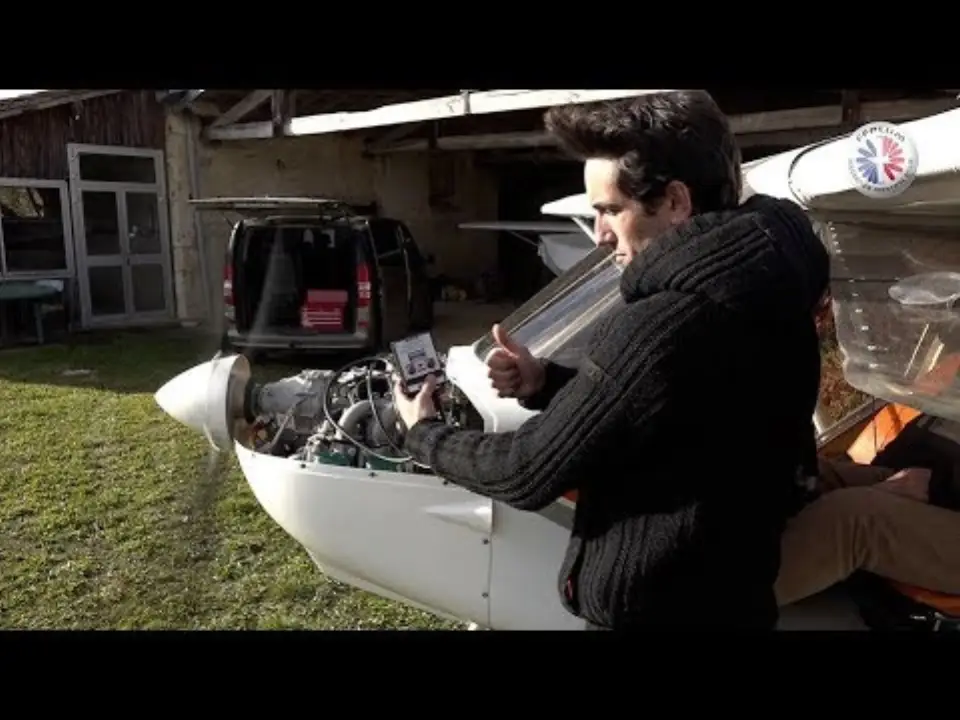
Les tutos mécano ont été tournés avec Pierre Pouchès « Peyo ».
A federation story

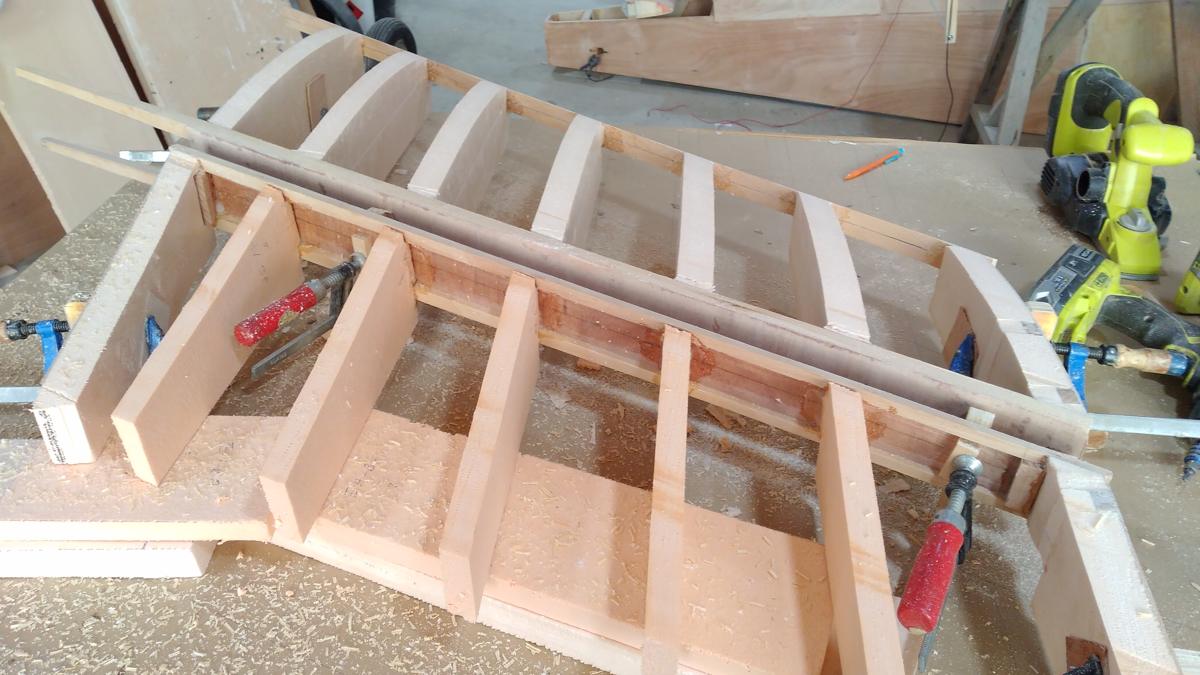
The CNFTE, the mechanics school

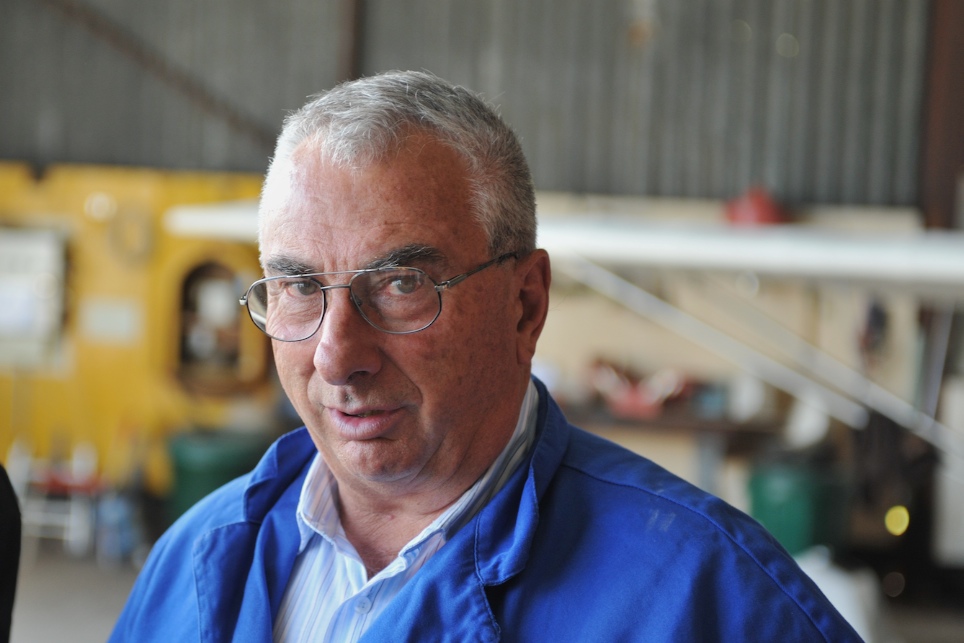
The federation's mechanics training and testing centre (CNFTE) has been part of the Federation's history almost since the beginning. Behind the acronym and the institution there is a man, Pierre Pouchès, known as "Peyo".

Read "The CNFTE is carrying on more than ever"

Keep flying and remember: if you know, you do. If you don't know, you don't do it, but ask.

Pierre Pouchès "Peyo"

Federation office

A question on this subject?

The federation office answers members, clubs and schools, and the press. The easiest way is the contact form.

Contact us

They support the federation

All our partners
  • Ministry of Ecological Transition
  • DGAC
  • Ministry of Sport and the Olympic Games
  • National Sports Agency
  • CNFAS
  • FAI
  • Aéro-Club de France
  • CNOSF
  • EMF
  • Air and Space Museum