






Training Corner - BSV no.52
A pilot’s account
Knowing your environment perfectly...
Below is the safety report of a pilot who agreed to share with us a recent equipment incident (a ground collision) of which he was the cause.
A number of lessons can be drawn from it.
1 - THE PILOT
Professional pilot: French and American qualifications. VFR/IFR pilot. VFR/IFR instructor.
Glider licence: about 100 hours.
Microlight: 100 flying hours.
Teaching experience:
- 7 000 flying hours, single- and twin-engine, including 5 000 hours of in-flight instruction in single- and twin-engine light aircraft.
- 2000-2012: VFR/IFR instructor.
- Flight instructor for training VFR/IFR instructors.
- Outside flying activities, about 1 500 hours of instructor activity on FNPT 2 simulator.
2 - THE PILOT’S COMMENTS
I think I fall squarely into the “Habit bias” target. A bias all the more insidious because I have a lot of experience in a former similar activity, because that former activity has not been practised for a “long” time, combined with a new similar activity not practised for some time either
Let me explain: for personal reasons I stopped all flying activity for 5 years. I resumed flying on a 3-axis microlight in May 2018; my instructors (like myself) noted a definite ease in handling the aircraft: take-off, landing, steep turns, stalls, circuits, slips, simulated engine failure…
7 hours of flying practice on the new aircraft then allowed me to be released to fly solo without any particular problems.
The second local solo flight was postponed for various reasons by about three weeks, until that fateful 7 July.
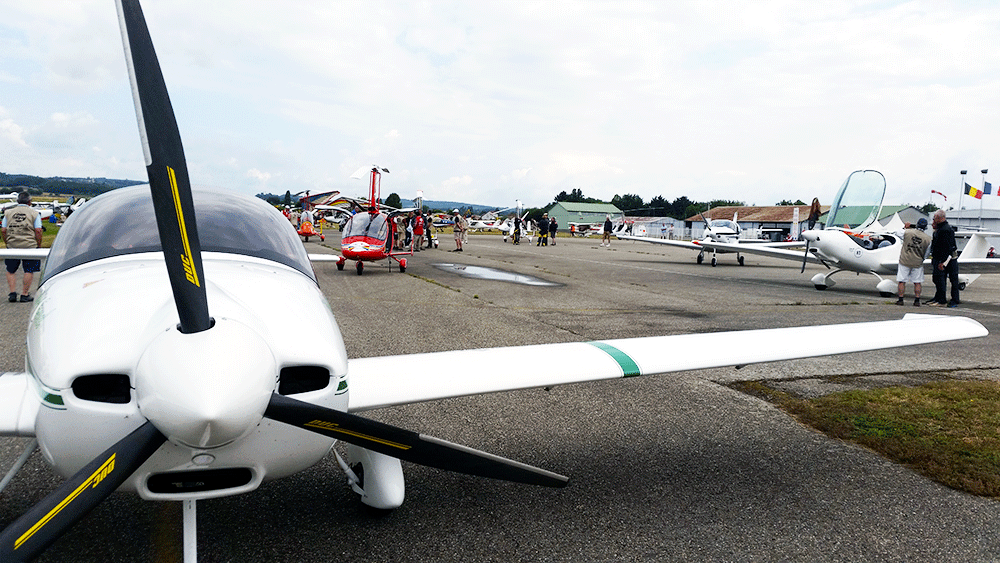
That morning of 7 July: the weather conditions were excellent, I felt ready, with the slight tension needed before any return to flying. The instructor and I took the microlight out of the hangar, perhaps a little close to the previous aircraft on the apron, but well… “It should be fine…”. The checklists were done conscientiously up to releasing the parking brake. What followed is described in the “Incident report”.
Analysis and suggestions
- For a “young” microlight pilot like myself, three weeks without flying perhaps deserve a refresher circuit with an instructor.
Indeed, however capable the student pilot may be on another aircraft with quite different technical characteristics, conditioned reflexes are deeply ingrained.
Changing machine is never trivial!!!
- The clear proximity of the microlight, the hangar and the other aircraft, which I sensed, led to the microlight closing too quickly on the parked aircraft and a bad reflex on my part, since out of habit I looked for the brakes on the rudder pedals, but on this machine they are on the centre console.
- For a pilot with solid experience on different types of machine, particular attention must be paid before start-up each time the machine changes, in order to get to grips with the ergonomic and technical layout: we will call this “a personal cockpit briefing”.
Changing machine or flying different microlights requires, each time, taking the time to get re-acquainted with the new environment, the specific procedures and the position of the various controls. This is not trivial, and the few minutes spent on this analysis are the best guarantee of a safe flight.
Jean-Christophe Gibert
Head of the Training Committee
Editorial
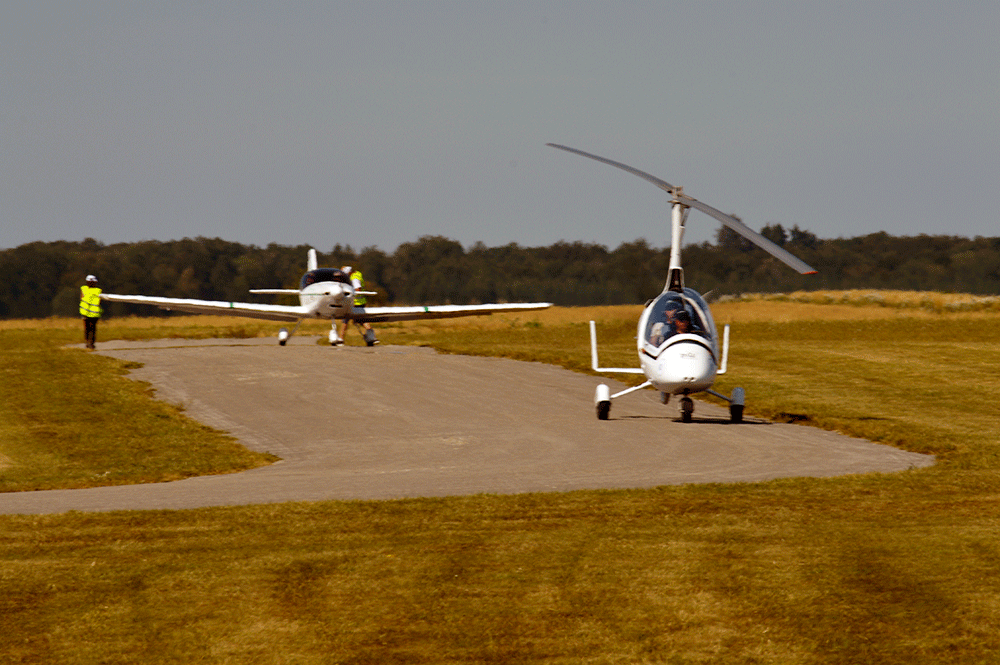 Rolling along!!
That's it, back to school: the holidays are over, but the summery weather gave us some lovely flights, whose memories will brighten the cold, misty days ahead.
The Analyst's analysis
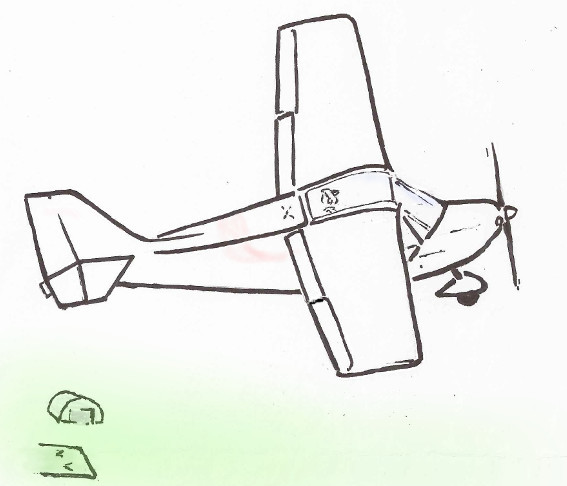 In October 2017, the BEA published its report on the accident involving the Super Guépard microlight registered 14-NI, which occurred on 11 September 2016 at Pont-Farcy (14). Both occupants of the aircraft were killed.
Safety in Figures
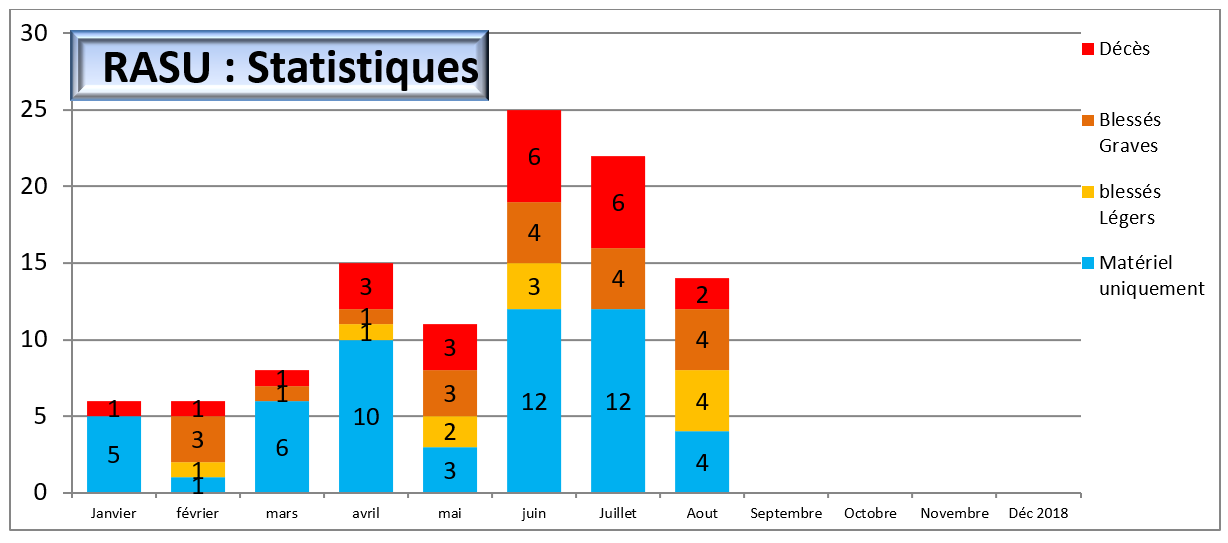
The table below summarises the accident statistics recorded from 1st January to 31 August 2018, classifying victims by severity and distinguishing purely material-damage accidents. The second table shows accidents involving French-registered microlights that took place abroad with foreign crews.
What about doing a REV? > video guide
A question about the REV programme? > see our dedicated FAQ









